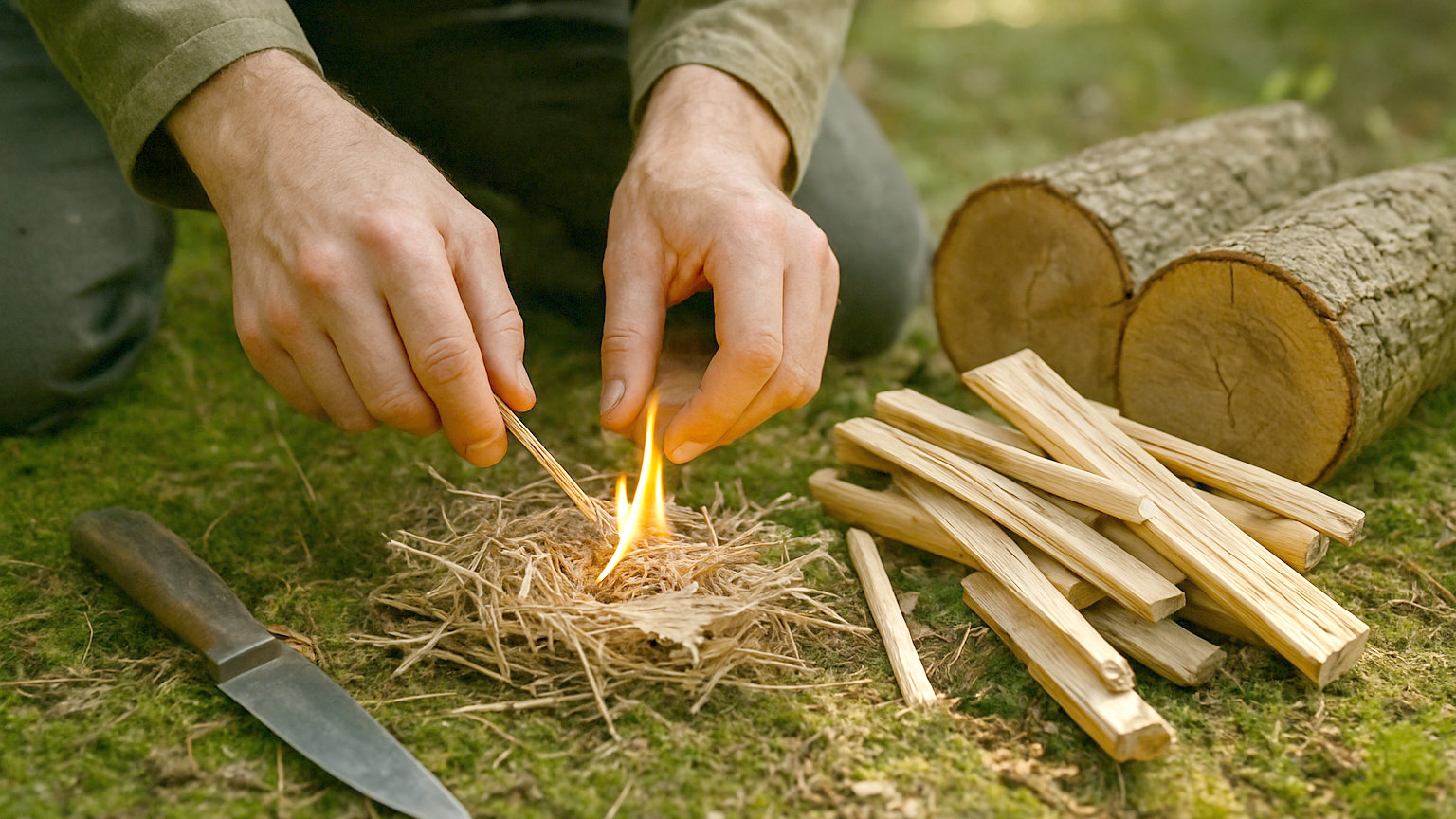
What Is the Difference Between Tinder, Kindling and Fuel
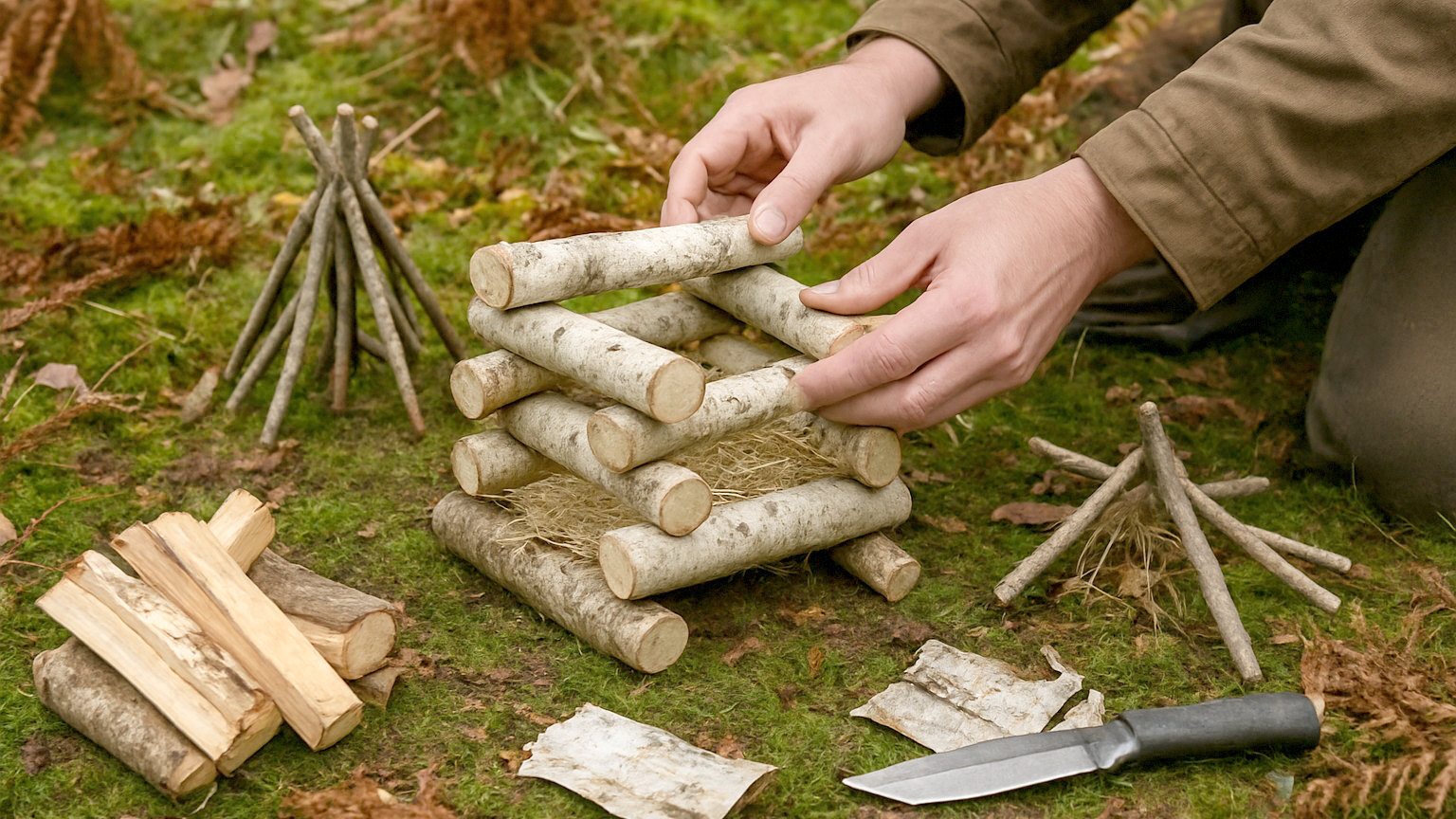
Three stages, three jobs, three sizes. Getting the progression right is the difference between a fire that builds itself and one you fight for twenty minutes.
Survival skills are perishable, and reading about a bow drill is not remotely the same as having made fire with one. That gap is exactly where people come unstuck when it matters. These guides cover the core skills, fire, water, shelter, navigation, first aid, food and signalling, in enough detail to practise in a garden or on a weekend walk rather than merely recognise on a page. Practise the boring ones first: purifying water and staying warm and dry have saved far more lives than anything that looks impressive.
Three stages, three jobs, three sizes. Getting the progression right is the difference between a fire that builds itself and one you fight for twenty minutes.
Teepee, log cabin, lean to and star fire each solve a different problem. Which one you build should depend on the weather, the wood and what you actually want the fire to do.
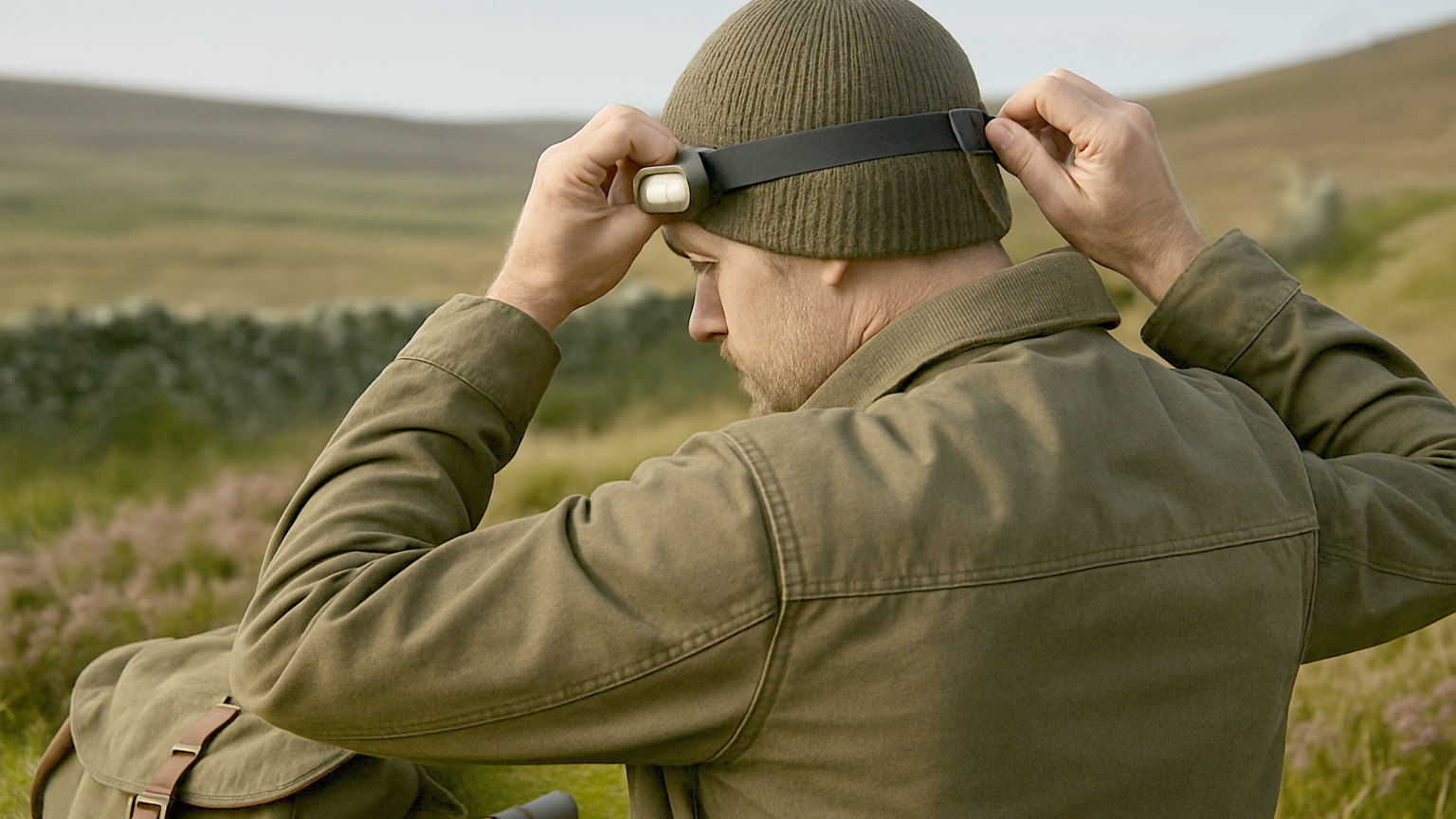
Darkness is when a small light becomes extraordinarily visible. A head torch that seems feeble on a path can be seen from miles away across open country.
Very little, and the most valuable item is a good regional field guide rather than anything you carry in your hands.
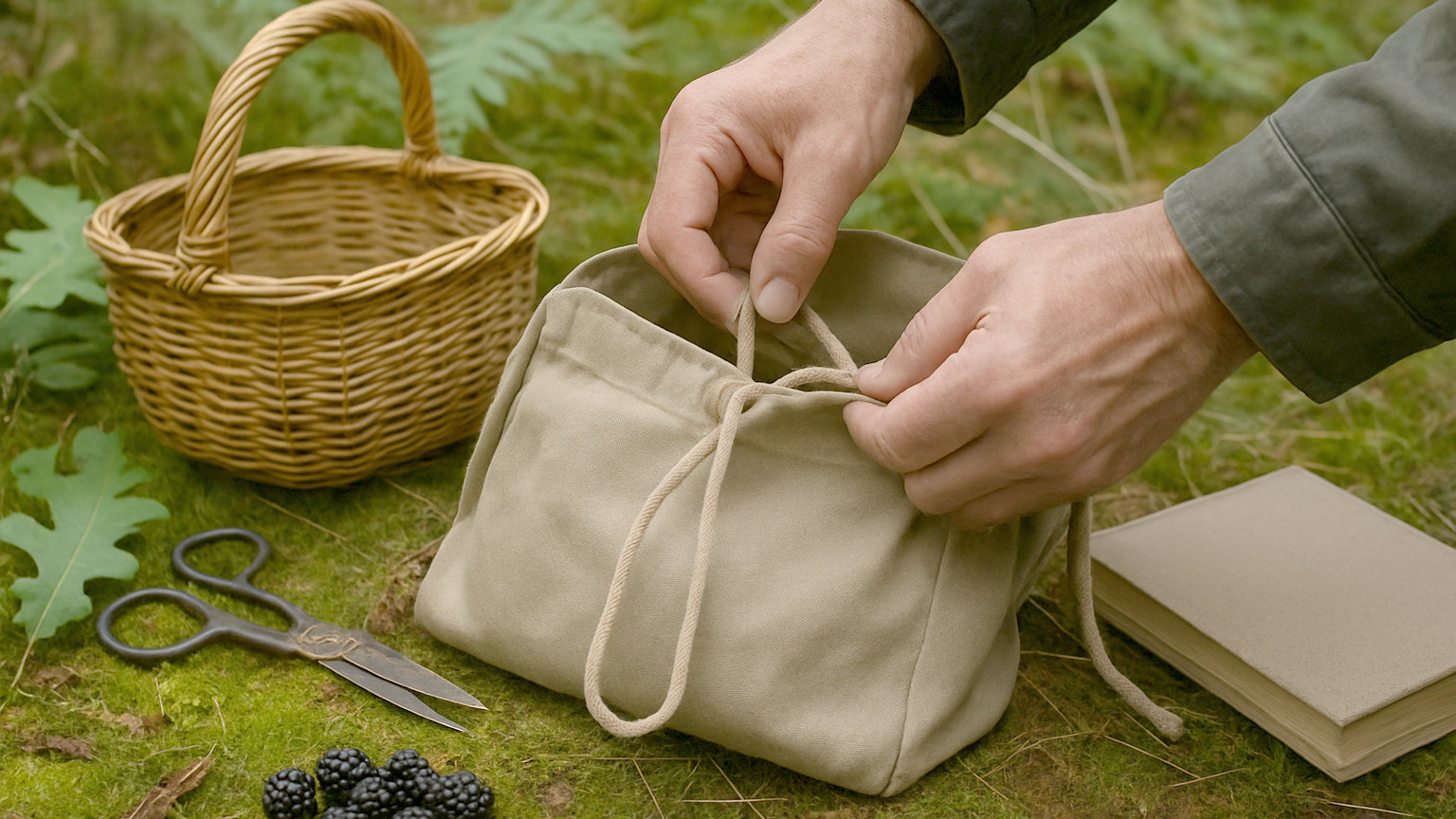
There is no colour rule and no shortcut. A short list of common British berries is reliably safe, and several common ones will make you seriously ill.
Which number, which service, and the information that gets a team moving fastest. Registering for emergency SMS beforehand takes a minute and works where calls do not.
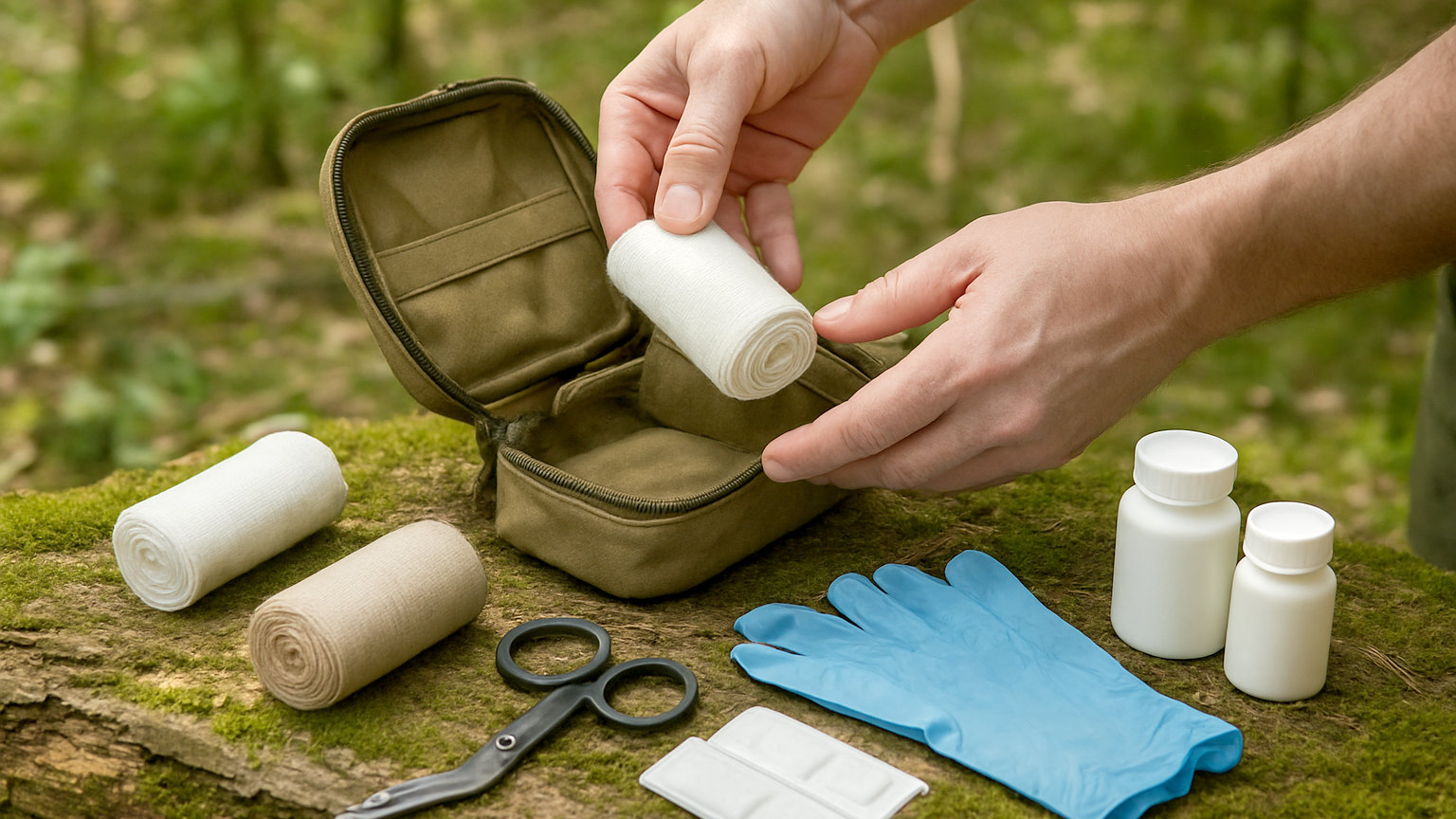
A kit built around bleeding, blisters and the medicines someone in the party cannot skip, rather than the fifty assorted plasters most boxed kits contain.
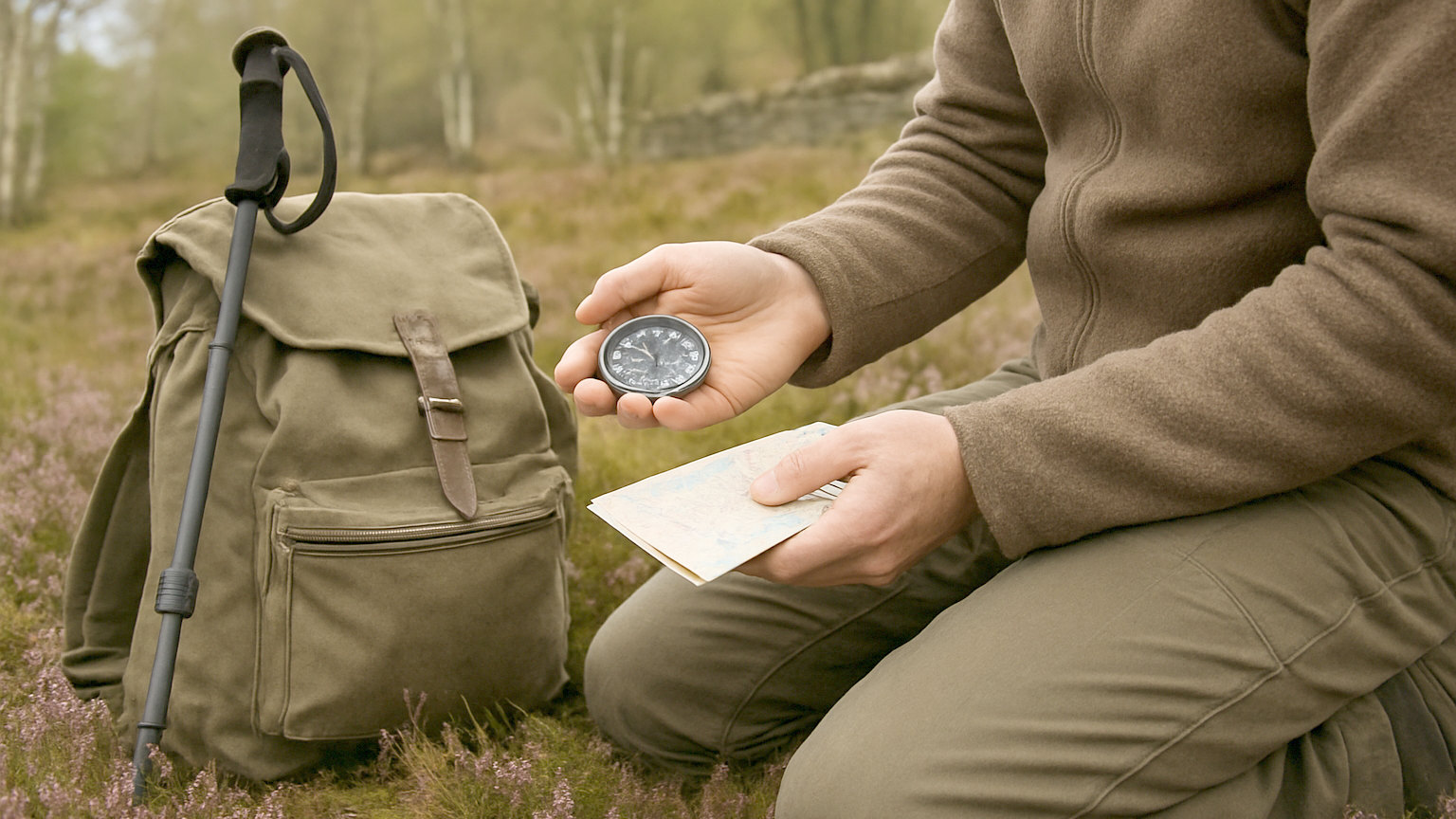
Night navigation is daytime navigation done more slowly and more carefully. The main adjustments are to your light, your leg lengths and your expectations.
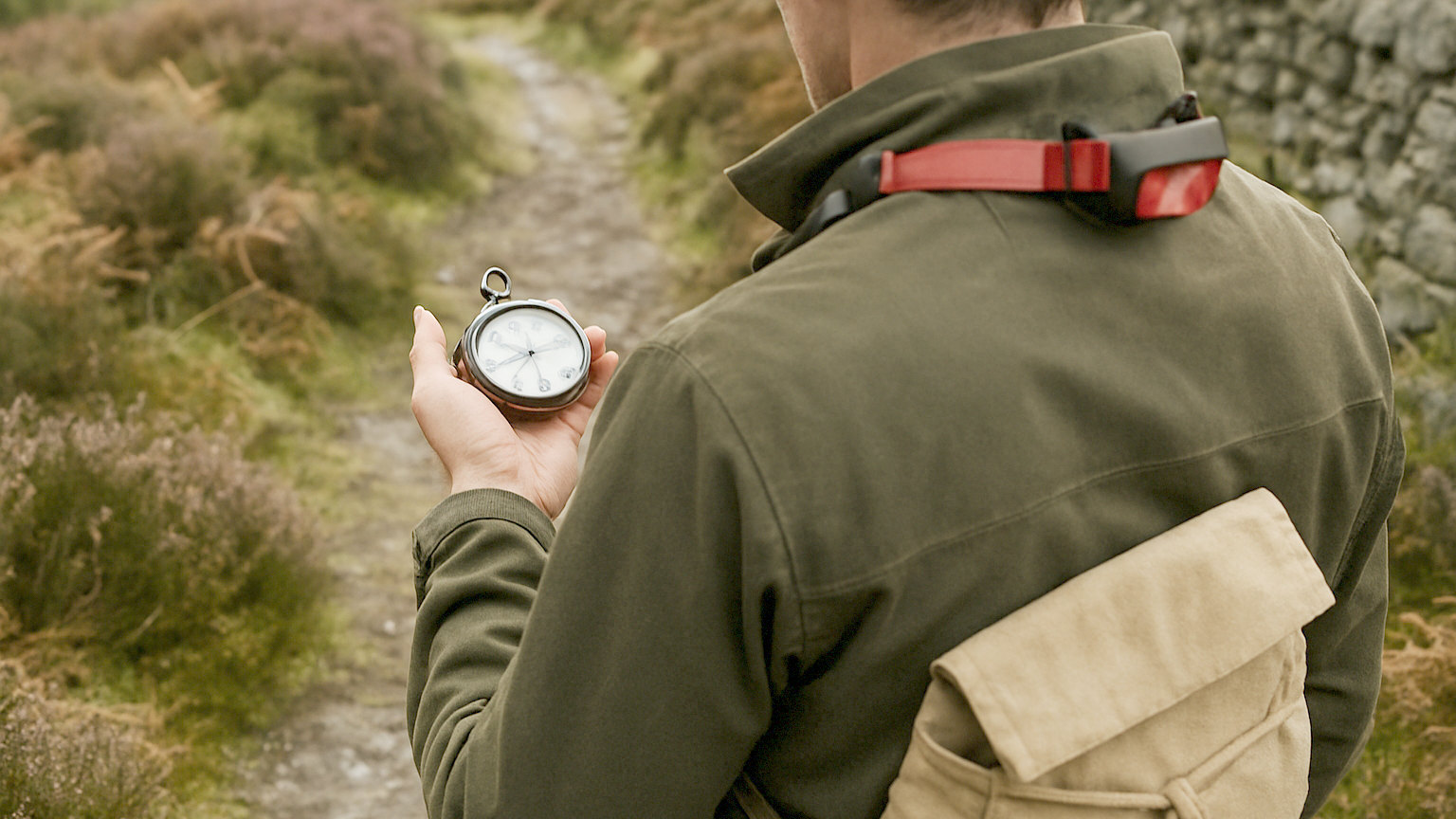
Stopping is the first and hardest step. A structured relocation procedure recovers your position far faster than pressing on and hoping.
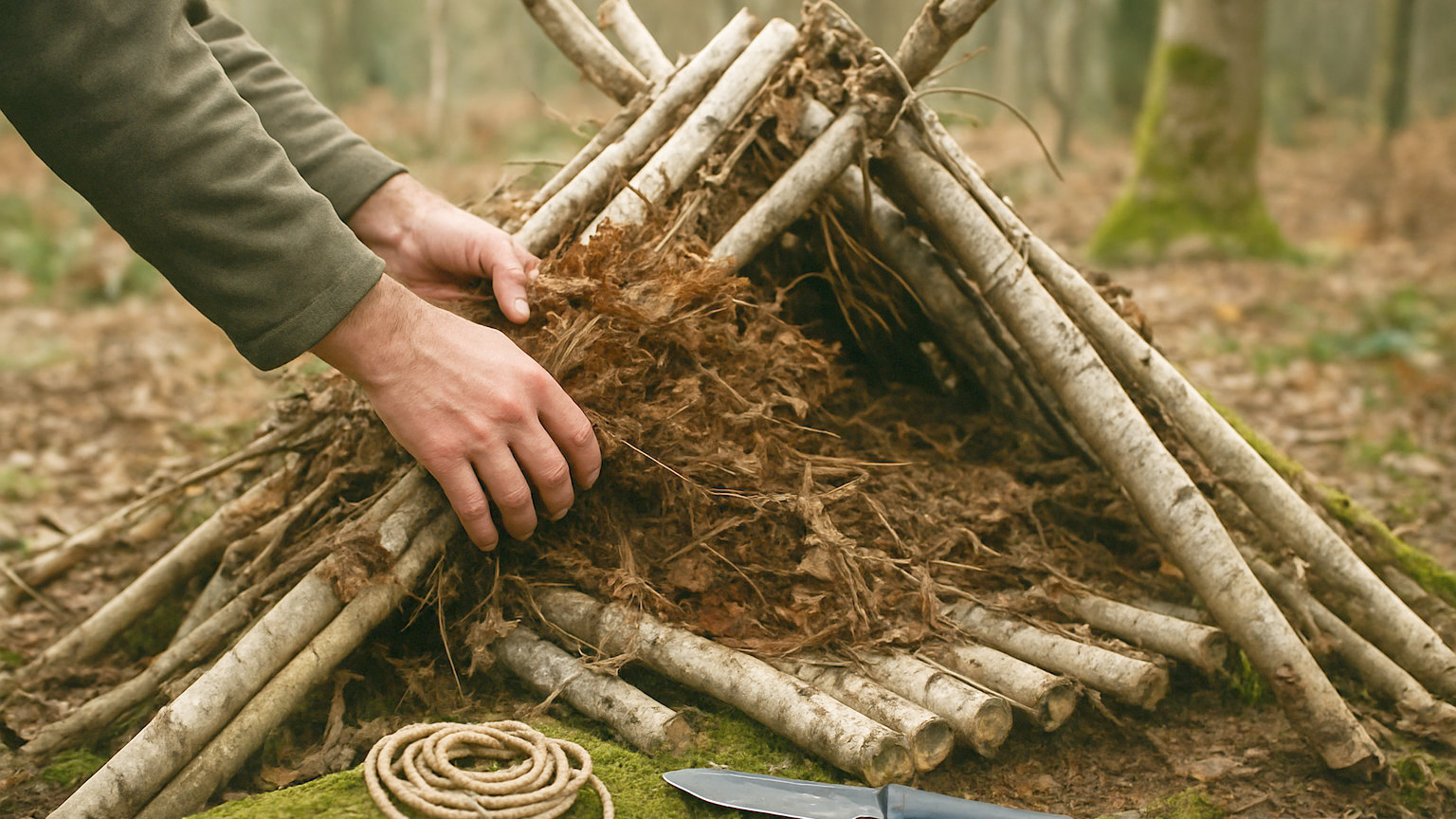
A debris hut takes two to three hours, a snow trench thirty minutes. Knowing the figures lets you start early enough to finish, which is the real skill.
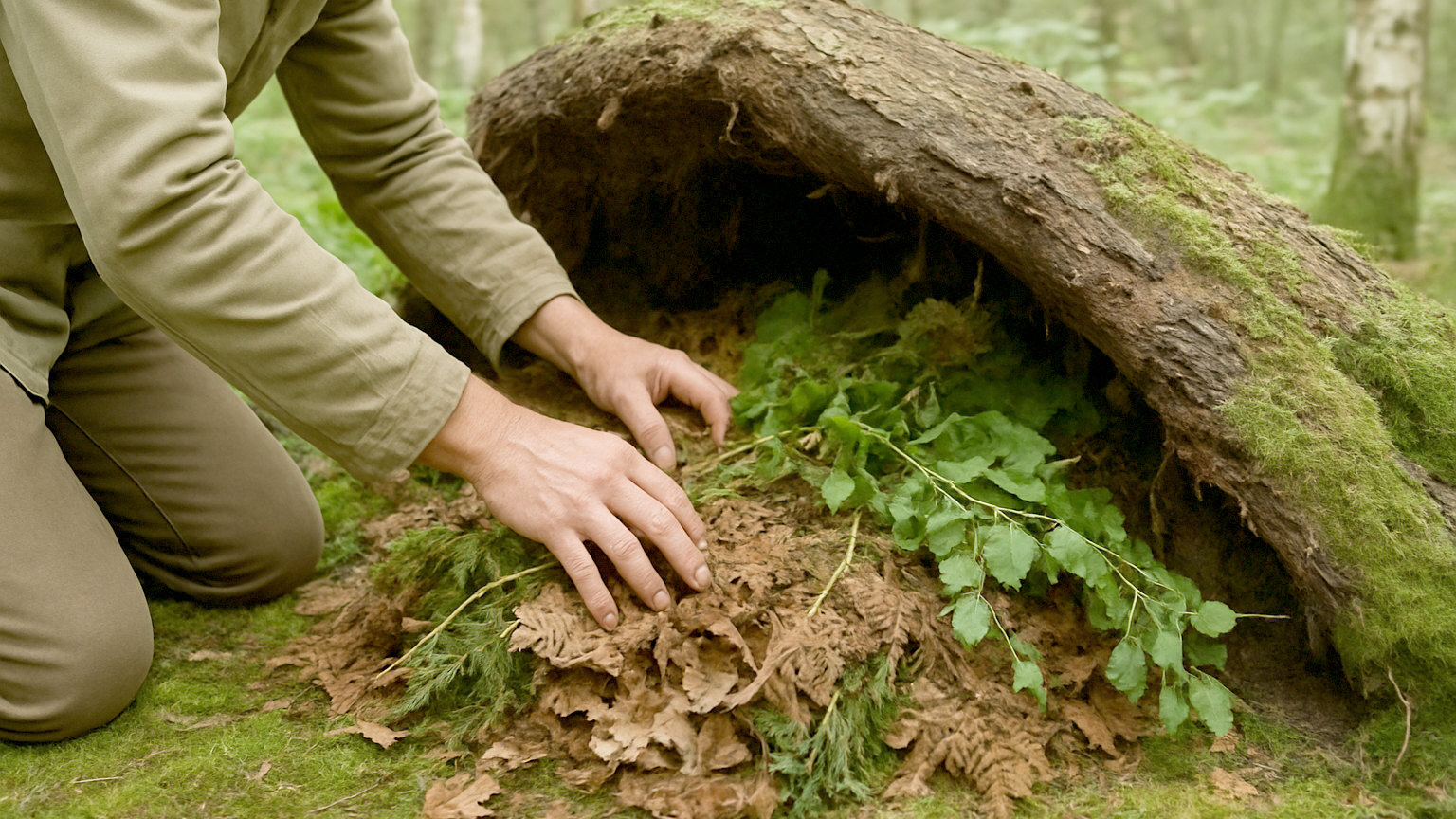
Natural features, fallen trees, root plates and dense cover can do most of the work. Recognising them turns hours of building into minutes of improving.
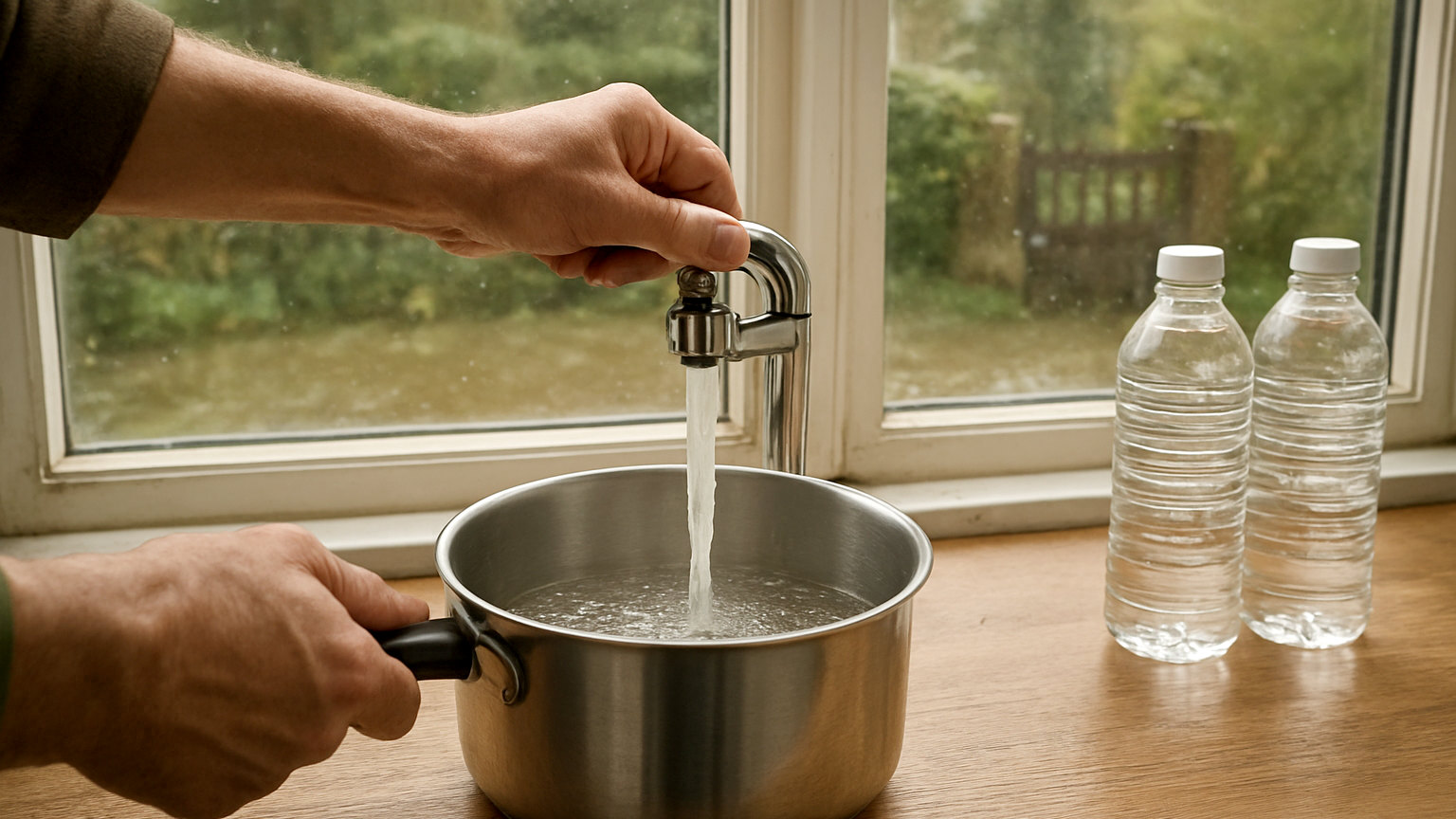
What a boil water notice actually requires, why flood affected supplies need more caution, and how to store enough before the pressure drops.