Getting help moving quickly is often the most valuable thing anyone at an incident does. Knowing the system before you need it saves several minutes at a point where minutes matter.
Which number and which service?
Call 999, or 112 which works identically across Europe. For a medical emergency in a place an ambulance can reach, ask for the ambulance service. In the mountains, on moorland, on cliffs or anywhere a vehicle cannot get to, ask for the police and then request mountain rescue, since mountain and cave rescue teams are activated through the police rather than directly. For anything on the coast, in tidal water or at sea, ask for the coastguard.
What should you tell them?
Location first, because everything else follows from it. Give a grid reference or a what3words address if you have one, otherwise describe where you are as precisely as possible with named features. Then the number of casualties, what happened, the injuries, and the condition of each person including whether they are conscious and breathing. Then what the weather and ground are like, and how many people are with you.
- Your location, as a grid reference or what3words if possible
- What has happened and when
- Number of casualties and their injuries
- Whether each is conscious and breathing normally
- Weather, visibility, terrain and any hazards
- Your phone number and how much battery remains
What if there is no signal?
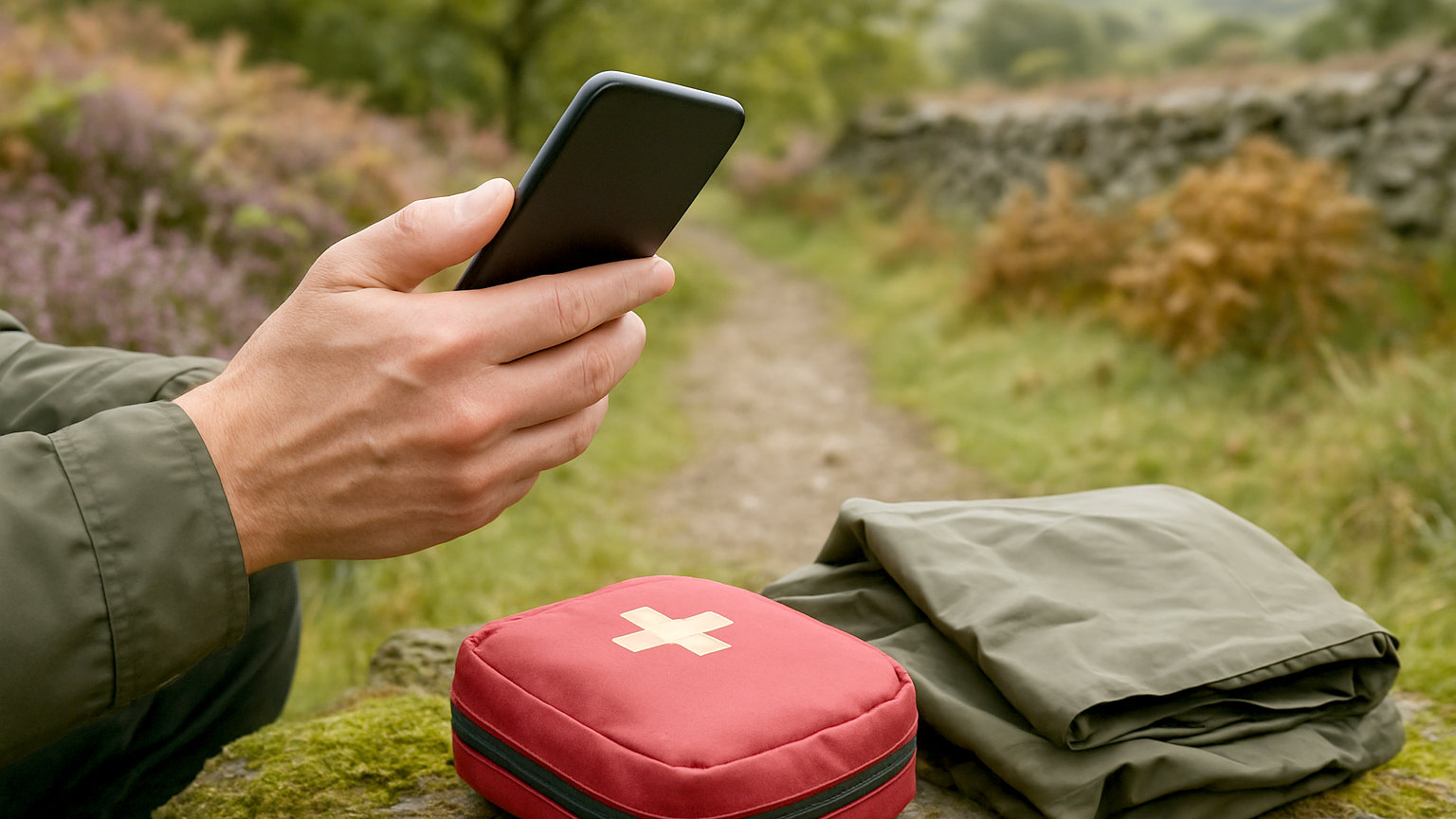
Try anyway, because 999 calls can connect through any network rather than only your own, so a phone showing no bars may still get through. Move to higher ground if it is safe to do so. Failing that, use emergency SMS, which requires registering in advance by texting the word register to 999 and following the reply. A text needs far less signal than a voice call and will often send when a call will not connect.
How do you use the international distress signal?
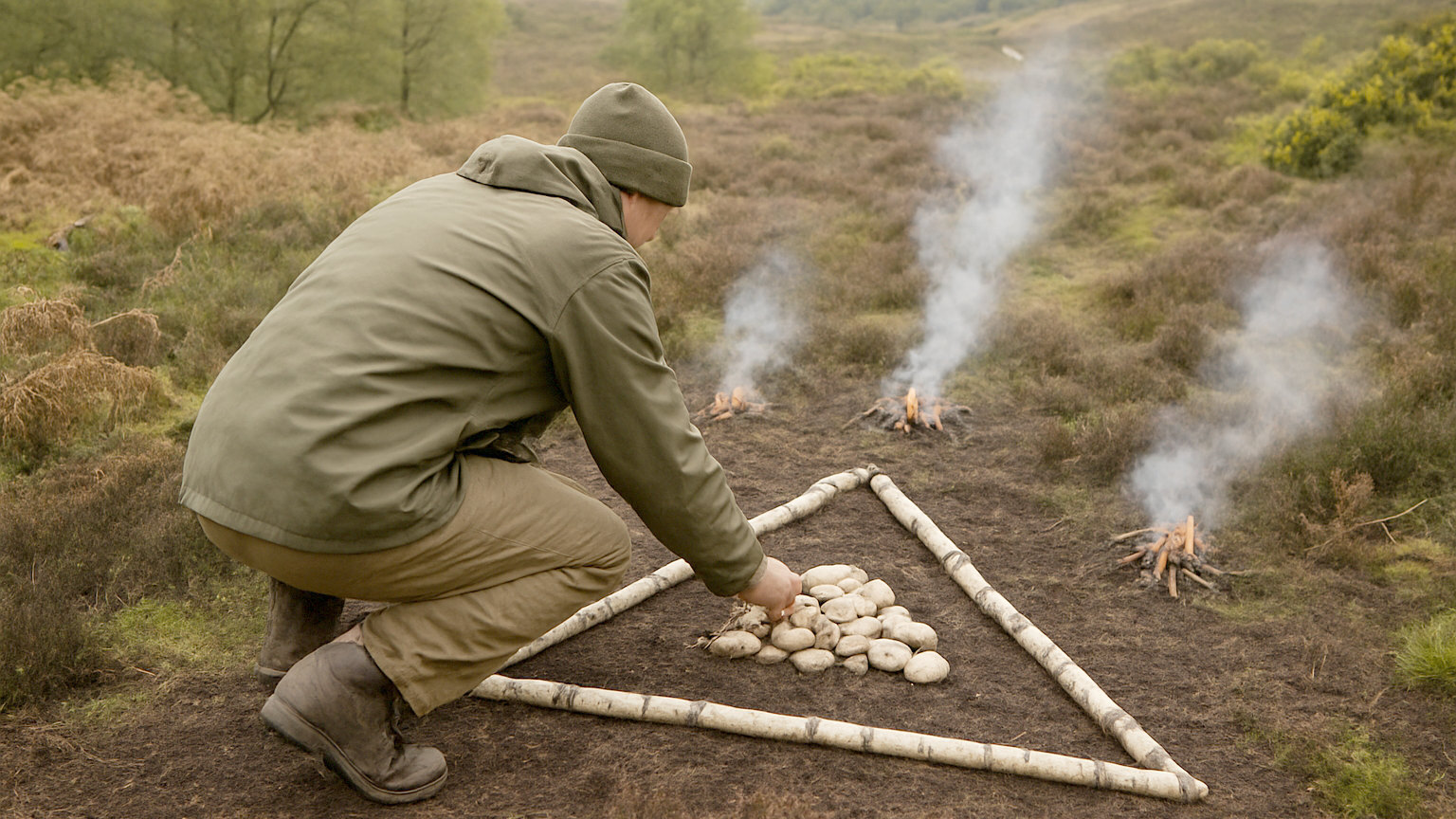
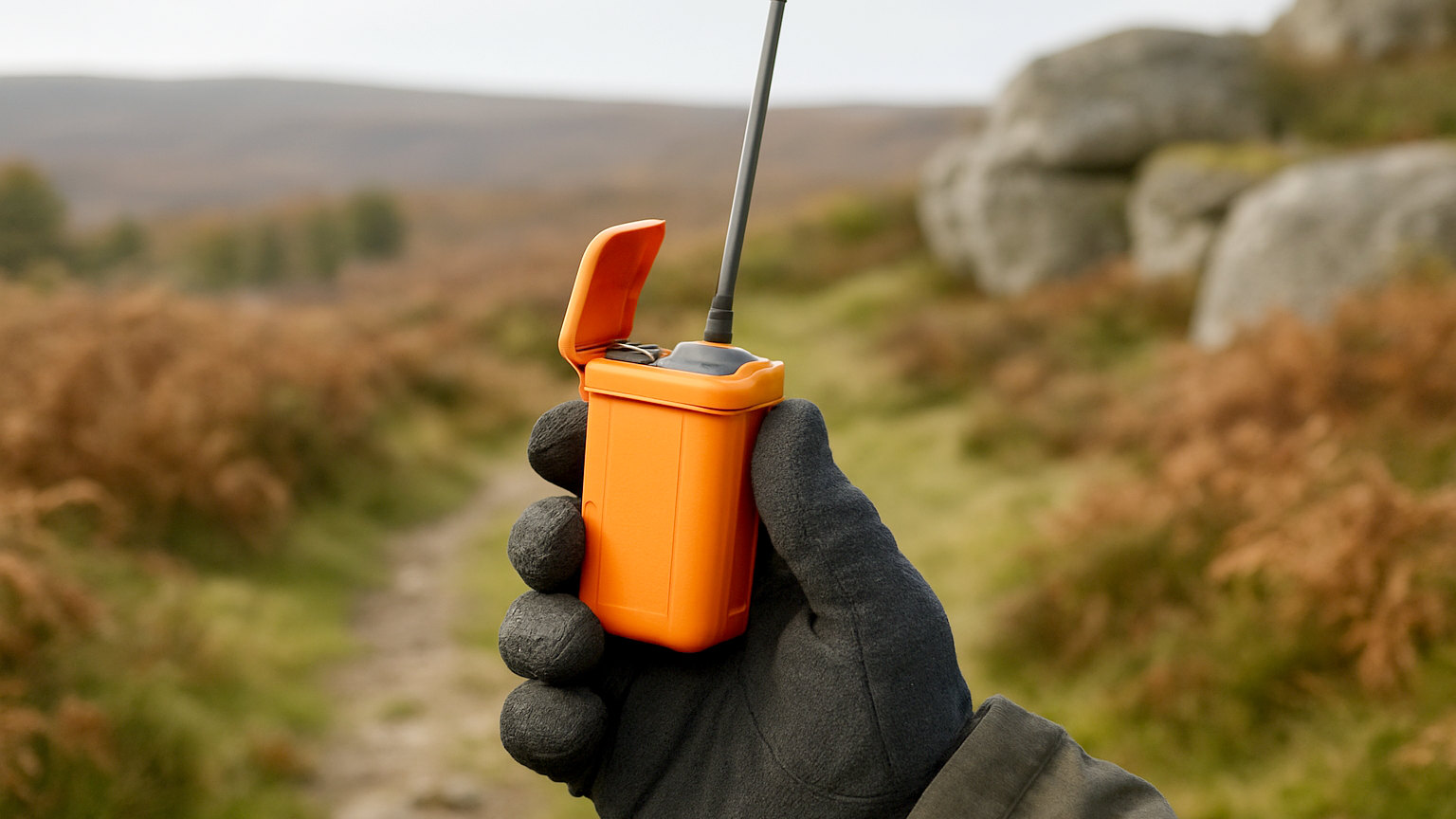
Six blasts on a whistle, or six flashes of a torch, spread over a minute, then a pause of one minute, then repeat. The reply is three signals per minute. This is worth knowing for a casualty left while someone goes for help, and for attracting attention from a search team already nearby. A whistle carries far further than shouting and costs no energy, which matters when you may be signalling for hours.
What should you do after the call?
Stay where you are unless it is unsafe, and keep the phone on and free. Rescue teams frequently call back for clarification or to guide you, and a phone in use or switched off to save battery is a common frustration. Put it in low power mode instead. Make yourself visible with bright clothing or a torch, and if a helicopter is coming, secure anything loose, since downdraught will pick up rucksacks, mats and anything not weighted down.
Should you send someone for help?
Only if there is no other way. Splitting a group has real risks, and a lone person moving fast over rough ground in poor conditions is a plausible second casualty. If it is unavoidable, send two people if numbers allow, write down the location and casualty details so nothing is forgotten or garbled, and make sure those staying behind know the plan.
Is it ever a waste of their time?
No, and this concern delays a great many calls. Rescue teams and ambulance services would far rather be called early to a situation that resolves than late to one that has deteriorated. If you are uncertain whether the situation warrants a call, that uncertainty is itself a reason to ring and let the call handler decide.
What is the Silent Solution system?
A route for people who can dial but cannot safely speak. Call 999, and if you cannot talk, listen to the operator questions and then, when prompted by an automated message, press 55. This alerts the call handler that a genuine emergency may be in progress and passes the call to police, who will attempt to locate you. Coughing or tapping the handset also signals that the line is live. Pressing 55 alone does not summon help automatically, and it does not work on landlines, so it is a fallback rather than a substitute for speaking where you can.
Register for emergency SMS now, install a grid reference app, and call early rather than waiting until you are certain.