Night is in some respects the easiest time to be found. Any light at all stands out against dark ground, and a modest head torch can be visible across a valley or from an aircraft at considerable range.
How far can a torch be seen?
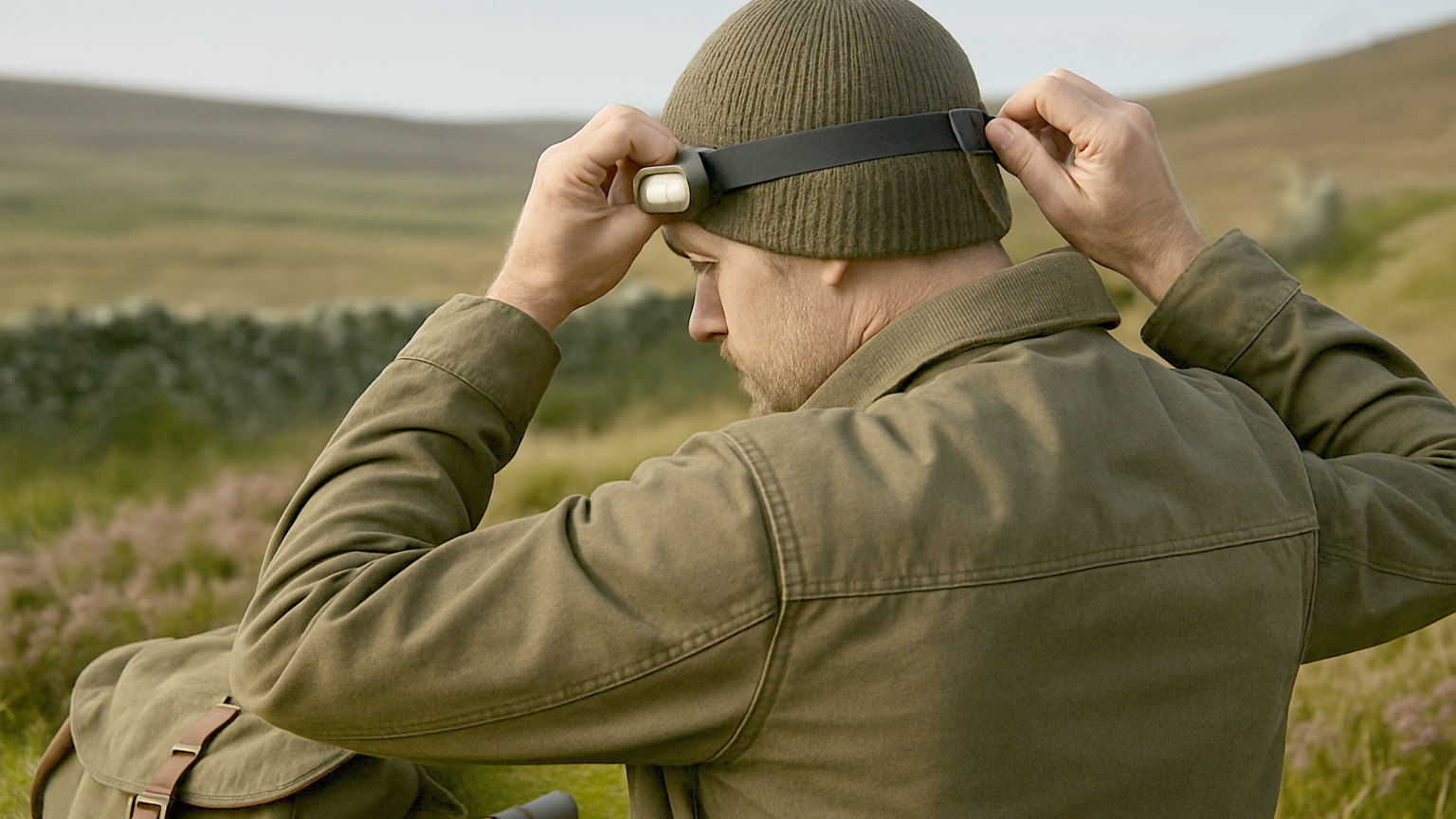
Much further than most people expect. In clear conditions across open country, a standard head torch can be visible several kilometres away, and from an aircraft at greater distances still. The limiting factors are line of sight and terrain rather than brightness, so a torch on a ridge or in a valley bottom facing the right way outperforms a brighter one behind an obstruction.
What should you do with it?
Signal deliberately rather than leaving it on. Six flashes across a minute, then a minute of dark, repeated, is the recognised distress pattern. A strobe mode, if your torch has one, is highly visible and unmistakably artificial, and it uses far less battery than continuous output. Point it toward roads, valleys, buildings and any direction from which searchers might approach, and sweep slowly rather than holding it in one place.
- Use the distress pattern rather than a constant beam
- Use strobe mode if available, which saves battery and stands out
- Aim toward roads, valleys and likely approach lines
- Keep spare batteries warm inside your clothing
- Prepare a fire in advance and light it when you hear anything
- Lay out reflective material to catch searchlights
How do you conserve the battery?
Signal in bursts and keep the cells warm. Cold reduces battery capacity substantially, so spare batteries and any power bank should live in an inside pocket against your body rather than in a pack. Use the lowest setting that achieves the job, since most head torches offer a low mode that runs many times longer than full output. A torch flattened by midnight is no use during a search that begins at three in the morning.
Why does fire work so well at night?
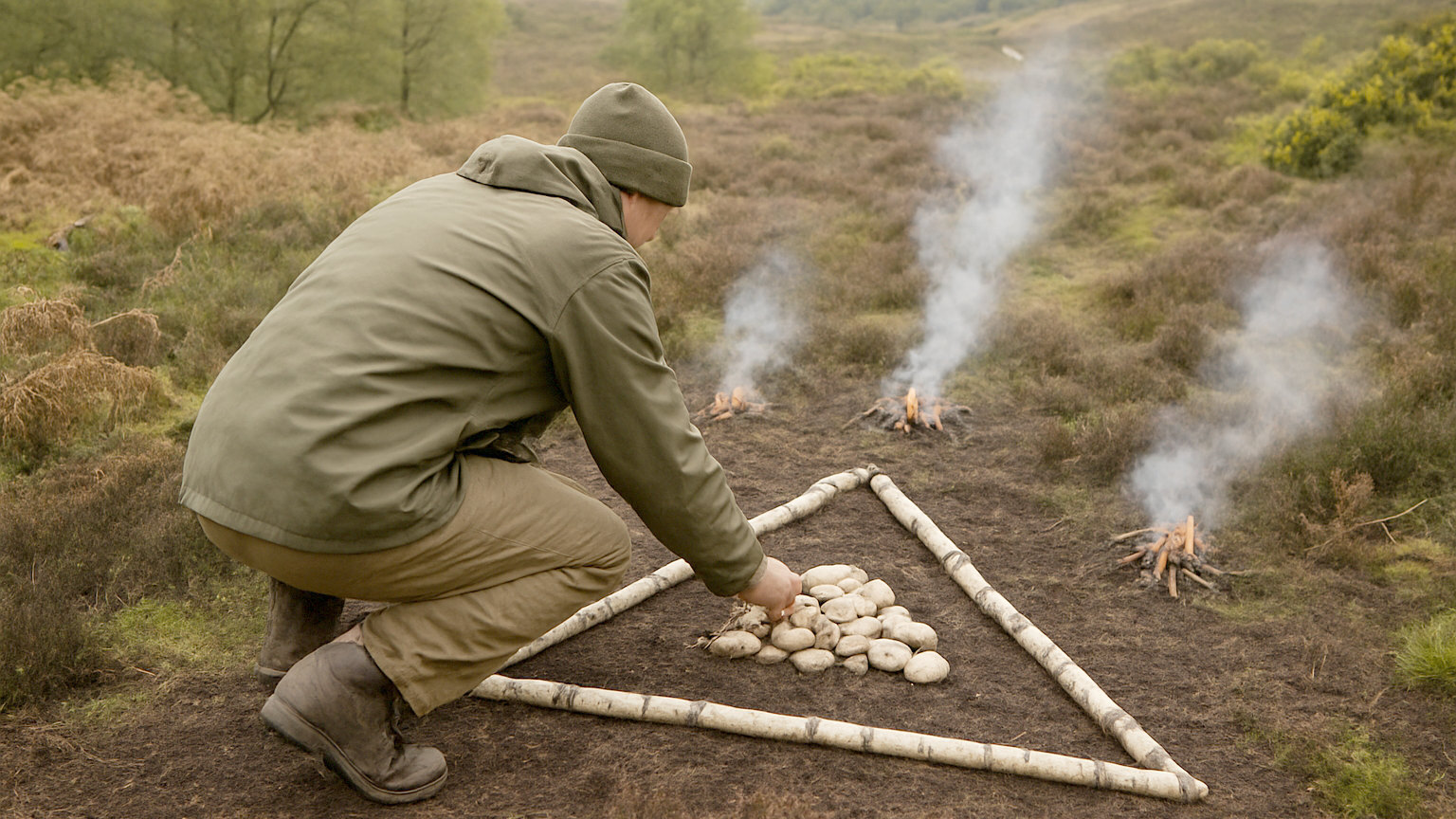
Because flame is visible from a great distance and reads unmistakably as human presence in open country. Three fires in a triangle is a recognised distress arrangement where you have the fuel for it. Prepare the fire fully during daylight, keep dry tinder protected, and light it when you hear an aircraft, see lights or have reason to believe a search is under way. Keeping a fire burning all night consumes fuel you may need later.
What does reflective material contribute?
A great deal, because searchers use lights. Reflective strips on jackets and packs, foil survival blankets, and even the reflective backing of some maps will return a searchlight or head torch beam brilliantly. Helicopters with searchlights and night vision equipment pick up retroreflective material extremely well. Lay a foil blanket out shiny side up and secure it, and wear anything reflective on the outside.
Should you keep your own night vision?
Where you can, yes. Full dark adaptation takes twenty to thirty minutes and is destroyed in seconds by a bright light. Being adapted lets you see approaching torches, vehicle lights and aircraft navigation lights far sooner, which tells you when to start signalling hard. Use red light for anything close up, and avoid staring into your own beam.
What should you listen for?
Aircraft, vehicles, dogs and voices, all of which carry further at night when the air is still and background noise drops. Search teams call and use whistles, so periods of silence in your own signalling are genuinely useful. Alternate: signal for a minute, listen for a minute, and respond immediately to anything you hear.
How do you tell searchers from other lights?
By behaviour rather than brightness. Search teams move in a purposeful line, sweep their beams systematically, and stop periodically to call and listen. A single light moving steadily along a path is more likely to be a walker. Vehicle headlights follow roads. If you see any light at all, signal hard toward it regardless, since even an unrelated walker with a phone can raise the alarm, and a passing vehicle is a route to help.
Flash rather than shine, keep batteries warm, prepare a fire in daylight, and lay reflective material out where a searchlight will catch it.