Barriers are the most visible flood protection and the most misunderstood. They work within limits, and the limits are about depth, duration and how quickly you can deploy them.
What types are there?
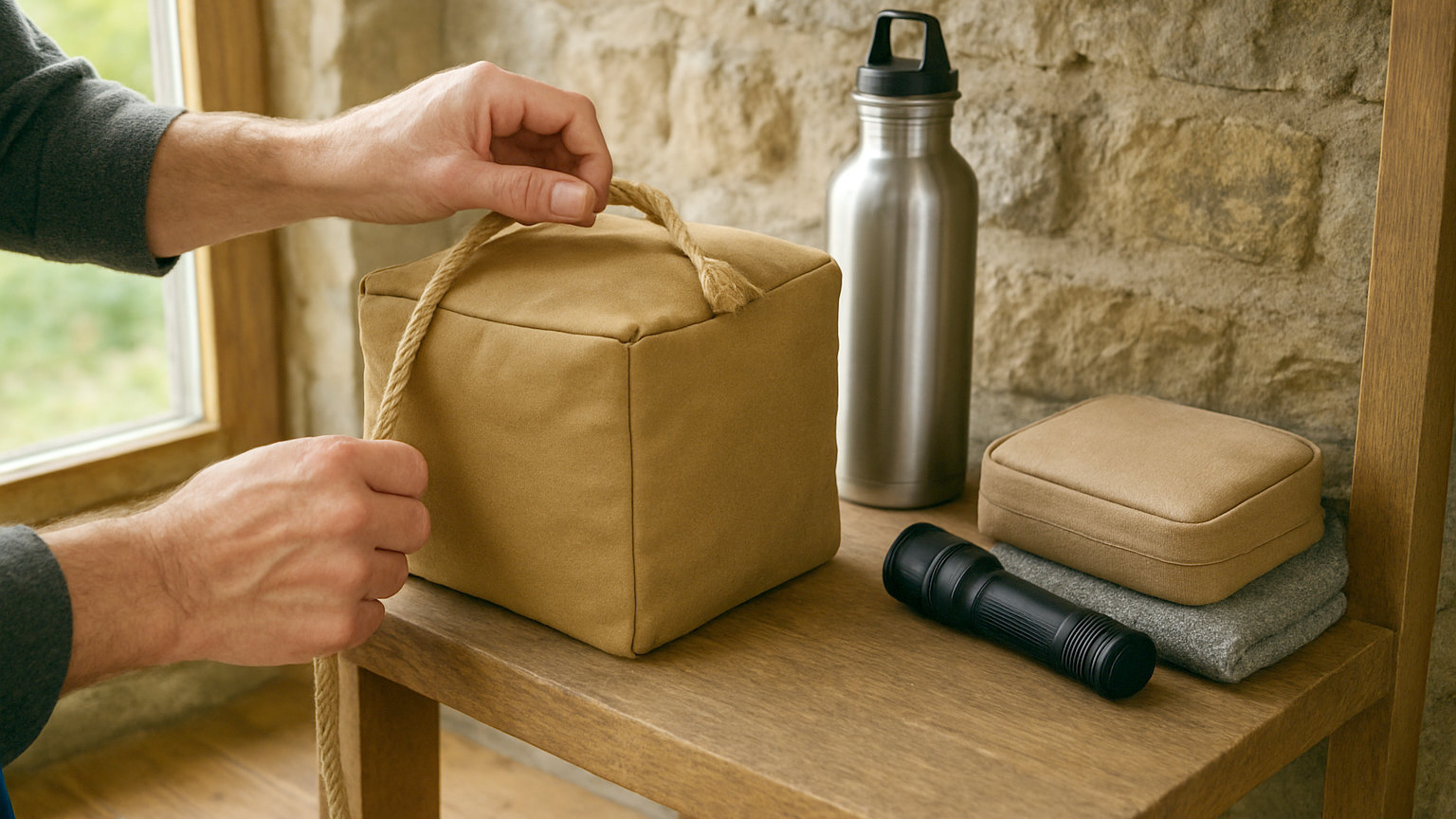
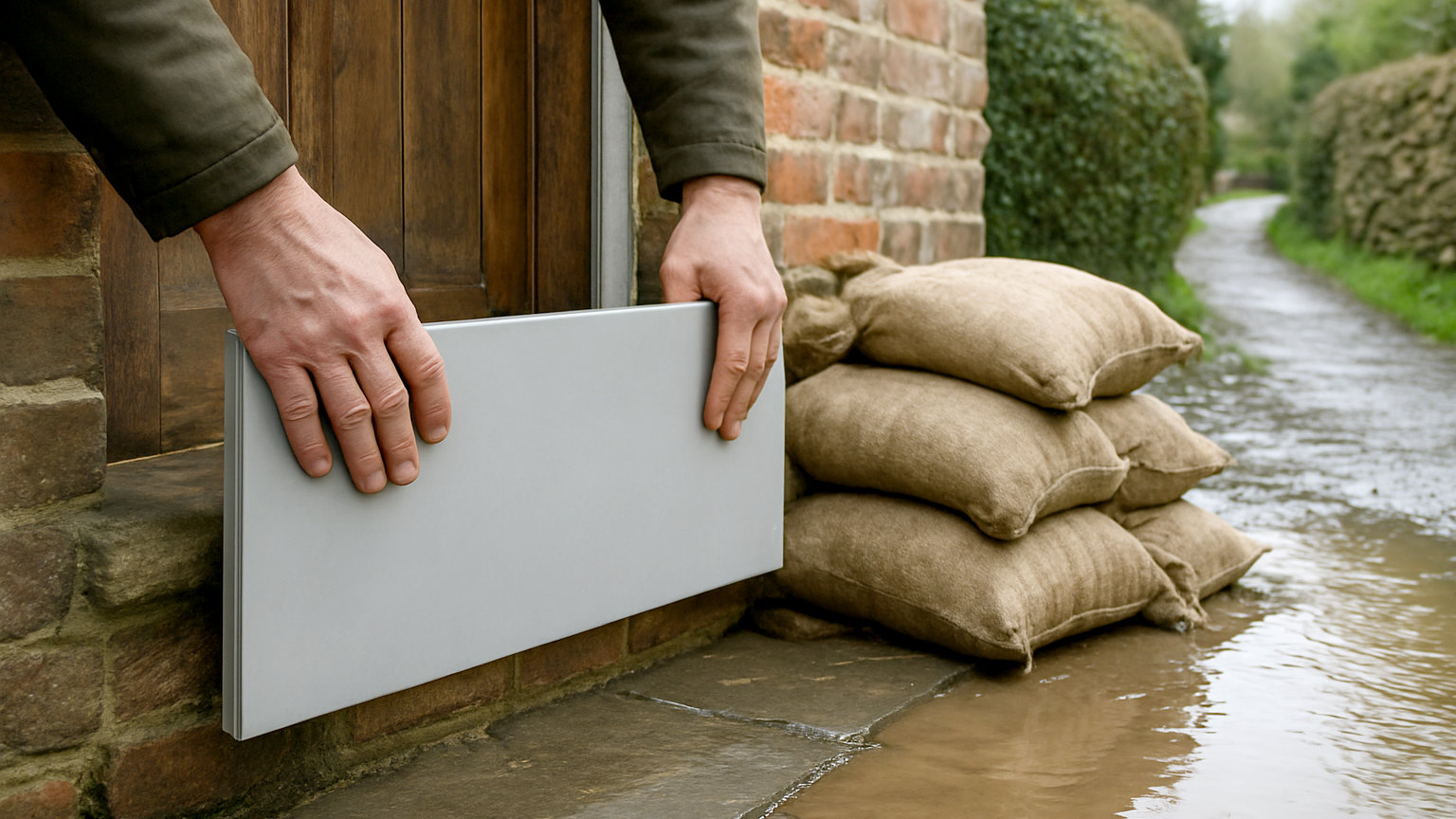
Door barriers, which slide into a permanently fitted frame and seal against the threshold. Flood doors, which are replacement doors designed to seal. Airbrick covers, either screwed on when needed or automatic units that close as water rises. Water filled tubes and modular barriers for driveways and larger openings. Self inflating flood sacks, which expand on contact with water and replace sandbags.
How well do they hold water back?
Well for modest depths and imperfectly over time. A properly fitted door barrier will hold back water to its rated depth, typically half a metre or so, and some seepage around and under it is normal rather than a fault. Water also finds routes through walls, floors and services. Barriers reduce and delay ingress rather than guaranteeing a dry house.
- Fit the frames in advance, not during a warning
- Deploy early, before water is at the door
- Expect some seepage and keep a pump or mop ready
- Cover every route: doors, airbricks, drains and service entries
- Rated for modest depths, not for deep water
- Practise fitting them so it takes minutes, not an hour
Why must they be fitted in advance?
Because door barriers need a permanent frame bonded to the doorway, and that is not a job for the middle of a flood warning. The frame is fitted once by an installer, and the barrier itself then slots in within a minute or two when needed. Buying a barrier without the fitted frame leaves you with something that will not seal.
How early should you deploy?
As soon as a Flood Warning is issued, rather than when water reaches the property. Fitting barriers in rising water, in the dark and in the rain is difficult and dangerous, and the seal is worse. A household with a written flood plan should have deployment as one of the first actions rather than one of the last.
What about the routes you cannot see?
They are frequently the ones that let water in. Airbricks below floor level. Drains and toilets backing up, which requires non return valves. Cable and pipe entries through walls. Gaps under thresholds. Suspended timber floors with voids beneath. A door barrier alone on a property with open airbricks achieves very little, which is why a survey matters more than a purchase.
Do water filled barriers work?
Yes, for larger openings and perimeters, and they need space and time. Water filled tubes and modular systems can protect a driveway or a whole frontage, using the water itself to weigh them down. They take longer to deploy than a door barrier and require a hose and a water supply, which may not be available. They are a good answer for properties with wide openings.
What should you keep alongside them?
A means of dealing with what gets through. A submersible pump with a hose to somewhere sensible, a wet vacuum, mops and buckets, and plastic sheeting. Barriers that reduce ingress to a manageable trickle are a success provided you can remove the trickle. Without a pump, slow seepage over several hours still floods the property.
Are they worth the cost?
For properties at genuine risk, yes. A set of door barriers and airbrick covers costs a few hundred to a couple of thousand pounds depending on the property, against a flood claim that typically runs to tens of thousands and months out of the house. Grants have been available after major events, and insurers sometimes contribute, so ask before assuming you must fund it entirely.
Where should you store them?
Accessible, dry and always in the same place. A barrier in a locked shed behind a car, or buried in a garage under garden furniture, is one you will not deploy in time. Store them near the door they protect, with the fixings attached, and check the seals annually for perishing. Include their location in the written flood plan so anyone in the household can find them.
Fit the frames in advance, cover every route rather than just the door, deploy on the warning, keep a pump for seepage, and know the depth limit.