The shaking stopping is not the end of the incident. Injuries in the following minutes are common and almost entirely avoidable with a short sequence of checks.
What is the first thing to do?
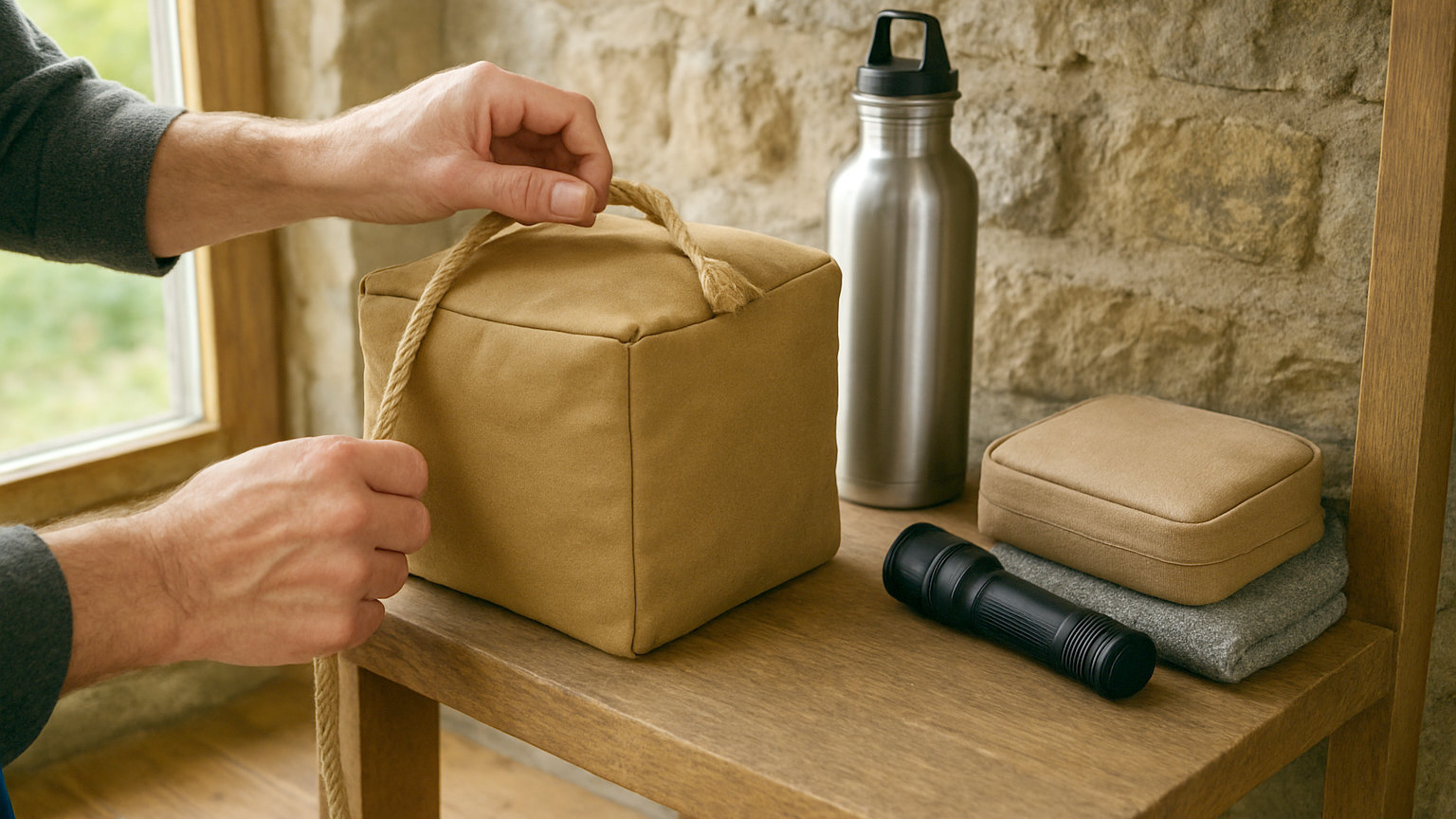
Put shoes on. Broken glass is everywhere after even a modest earthquake, from windows, mirrors, crockery and light fittings, and foot injuries are among the most common consequences. This is the argument for keeping sturdy shoes and a torch beside the bed in seismic countries, since the alternative is picking your way across glass in the dark.
What comes next?
Check yourself and others for injuries and deal with anything serious. Then check for immediate hazards: fire, gas, damaged wiring, water. Then assess whether the building is safe to remain in. Then communicate, briefly, to let people know you are safe. In that order, since attending to the phone before the gas is a common and unhelpful reversal.
- Put shoes on before walking anywhere
- Check for injuries and treat anything serious
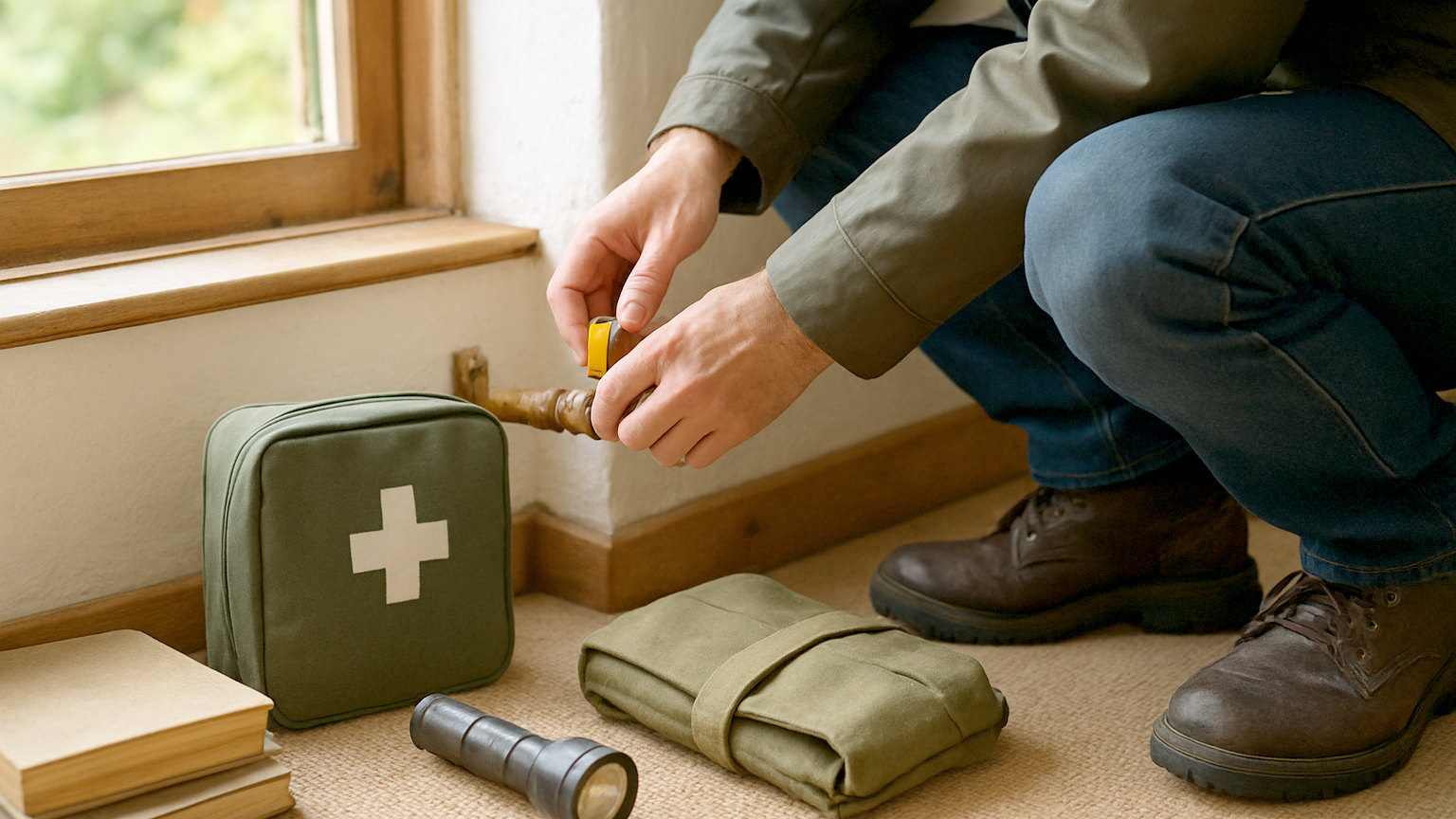
- Check for gas smell, and if present get out and turn off the supply
- Do not use naked flames or electrical switches if you suspect gas
- Expect aftershocks and be ready to drop and cover again
- Use text rather than voice calls to keep networks clear
How do you check for a gas leak?
By smell, sound and sight. A distinctive smell, a hissing noise, or damage to pipework all indicate a problem. If you suspect a leak, do not use light switches, doorbells, phones or anything that could spark, do not light a match, open windows and doors, turn off the supply at the meter if you can reach it safely, leave the building and call the emergency number from outside.
Should you leave the building?
If it is damaged, yes, calmly and by the stairs. Look for cracks in walls, doors that no longer close, sagging ceilings, and anything visibly out of alignment. Never use a lift, which may fail or trap you during an aftershock. If the building appears sound and there is no gas or fire hazard, staying inside is usually safer than standing among falling facade material outside.
What about aftershocks?
Assume they are coming and be ready. They can begin within seconds and continue for weeks, and they cause additional damage to already weakened structures. Every time you feel one, drop, cover and hold on again. Avoid entering damaged buildings between aftershocks, which is when partially collapsed structures come down.
How should you communicate?
By text, briefly, and to an out of area contact. Networks congest immediately after a significant earthquake, and text messages get through where calls will not. Keep it short so it sends. Do not call emergency numbers unless you have an emergency, since capacity is needed for people who are trapped or injured.
What should you avoid?
Going sightseeing, entering damaged buildings, driving unnecessarily and using the lift. Roads are needed for emergency vehicles, damaged buildings are unstable, and lifts fail. Also avoid coastal areas after strong shaking, since a tsunami can follow within minutes and you should be moving inland or uphill rather than looking at the sea.
What if you smell gas or see fire?
Leave immediately and call for help from a safe distance. Fires following earthquakes are historically a major cause of damage and death, sometimes exceeding the shaking itself, because gas lines rupture while water supplies fail. Do not attempt to fight anything beyond a very small fire, and do not go back in for possessions.
What about water and sanitation?
Assume both may be compromised. Mains water pipes rupture readily during shaking, so treat the supply as suspect until authorities confirm otherwise, and do not drink from taps if there is any doubt. Sewers break too, which means lavatories may not drain and using them can back sewage into the property. Knowing where the stopcock is and having stored water covers the first days.
Shoes on, check people, check for gas, expect aftershocks, text rather than call, and stay out of damaged buildings and away from the coast.