Animals cannot make their own decisions about weather and are entirely dependent on what is provided. In severe conditions their needs change quickly and are easy to overlook while dealing with the household.
What matters most in cold?
Shelter, dry bedding and unfrozen water. Water is the one that catches people out, since troughs and bowls freeze within hours and animals cannot drink ice. Check and break ice at least twice a day, or use insulated or heated troughs. Dry bedding matters more than the air temperature, since a wet animal in shelter loses heat rapidly.
What about livestock?
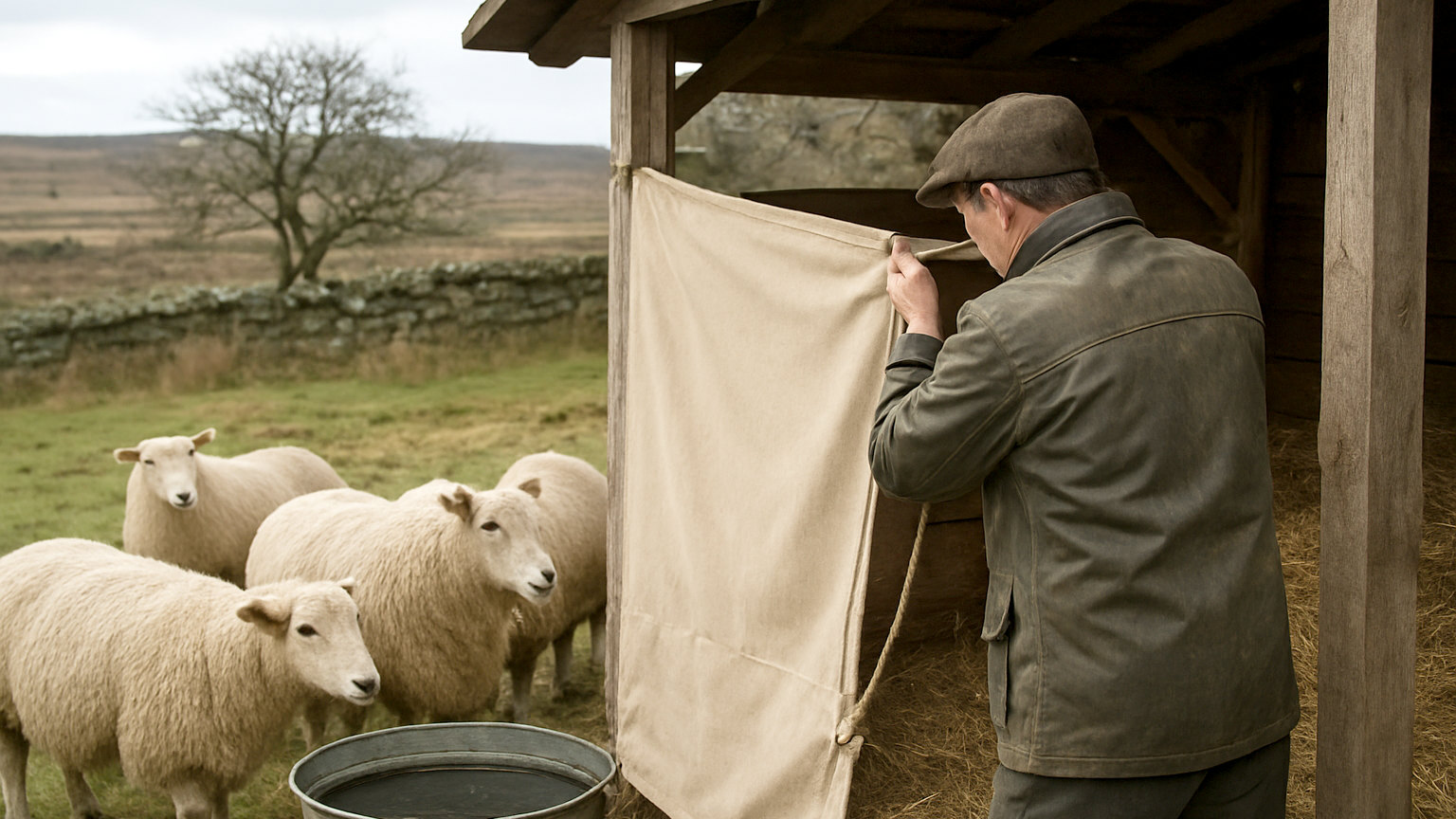
Move them off exposed ground before the weather arrives. Fields with no shelter, low lying ground that floods, and areas where snow drifts against hedges and walls are all dangerous. Sheep in particular become buried in drifts against boundaries. Increase feed, since maintaining body temperature raises energy requirements substantially, and check stock more frequently than usual.
- Check and break ice on water at least twice daily
- Provide dry bedding and shelter from wind
- Move livestock off exposed and low lying ground early
- Increase feed in cold weather to meet energy needs
- Never walk dogs near trees in high winds
- Never leave any animal in a parked car in warm weather
What about dogs in winter?
Shorter walks, and mind the feet and the ice. Grit and salt irritate paws and are harmful if licked off, so rinse paws after walks. Ice balls form between toes on long haired dogs. Frozen ponds and rivers are extremely dangerous, since dogs go through ice and owners drown attempting rescue. If a dog goes onto ice, do not follow, call 999 and try to call it back from the bank.
What about heat?
Far more dangerous than cold for most pets. Dogs cool by panting and cannot shed heat efficiently, and heatstroke develops quickly and kills. Walk early or late rather than in the middle of the day, test pavements with the back of your hand since hot tarmac burns paws, provide shade and plenty of water, and never leave an animal in a car even briefly with windows open.
What about high winds?
Keep dogs away from trees and woodland during storms, where falling branches are the main hazard, and keep them on a lead since frightened animals bolt. Bring outdoor pets such as rabbits and guinea pigs into a shed or garage, since hutches blow over and the animals are extremely vulnerable to both wind chill and being frightened.
How do you prepare for a power cut?
Consider anything that depends on electricity. Fish tanks lose filtration and heating, reptiles lose heat lamps, and some small animals depend on climate control. Insulating a tank with blankets retains heat for a surprising period, and battery air pumps are inexpensive. Speak to a vet in advance if you keep animals with specific environmental requirements.
What if you have to evacuate?
Have somewhere arranged in advance, since rest centres generally cannot take animals. Keep carriers accessible, secure animals early rather than when you are ready to leave, and make sure microchip details are current. Livestock need a plan involving transport and a destination, arranged well before it is needed.
What are your legal duties?
Under animal welfare legislation, anyone responsible for an animal must meet its needs including a suitable environment and access to water. In practice that means severe weather is not a reason to postpone care, and failing to provide shelter and water for livestock in extreme conditions can be an offence. Local authorities and welfare organisations respond to concerns.
What about horses?
They need particular thought because they are outdoors and they are fussy about water. Provide shelter from wind and driving rain, whether a field shelter or a thick hedge, and increase forage since digesting hay generates heat. Horses frequently refuse water that tastes different or is very cold, which leads to dehydration and colic in freezing weather, so check intake rather than assuming a full trough means they are drinking.
Break the ice twice a day, move stock off exposed ground early, walk dogs away from trees, never leave an animal in a car, and arrange somewhere for them in advance.