Preparation for a national emergency is, in practice, the same preparation that covers a flood, a storm or a prolonged power cut. There is no separate category of equipment and no need for anything unusual.
What does official guidance say?
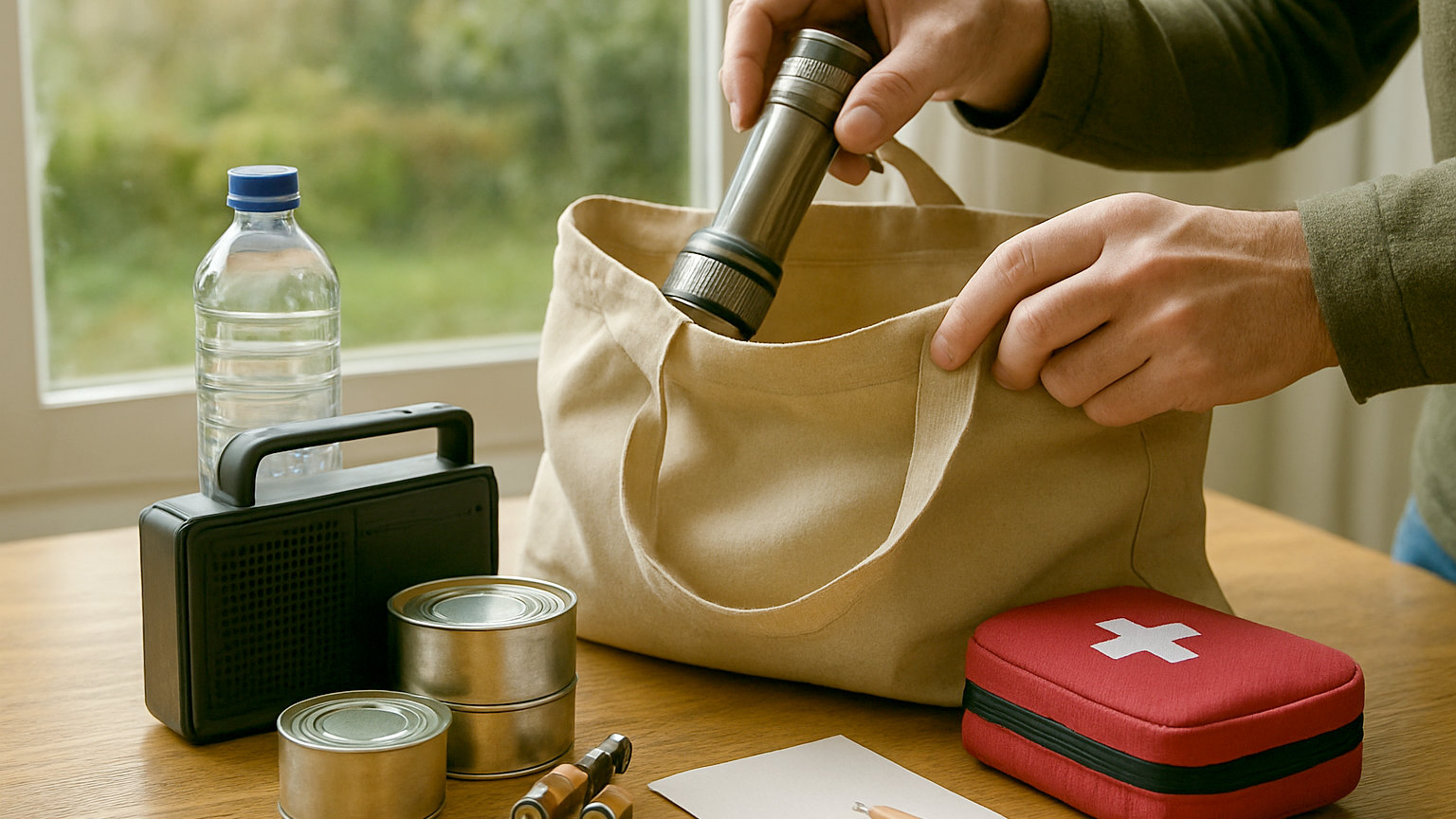
The government publishes household preparedness advice recommending a small store of supplies and a written plan. The core recommendations are non perishable food, bottled water, a battery or wind up torch, a battery or wind up radio, a first aid kit, spare batteries, a power bank, copies of important documents and any regular medication. It is a modest and achievable list.
How much should you hold?
Around three days of essentials as a minimum, and a week is a comfortable target for most households. That covers the overwhelming majority of realistic disruptions without requiring space or expense. Anyone in a remote area, or with a household member who depends on powered equipment or specific medication, should plan for longer.
- Food that needs no cooking and bottled water
- A wind up or battery torch and radio
- Spare batteries, a power bank and a charged phone
- A first aid kit and any regular medication
- Copies of documents and a written household plan
- Cash in small notes, since card systems depend on power
Why a radio specifically?
Because broadcast radio is the most resilient information channel available. It works without mains power, without the internet and without a mobile network, and it carries official information during incidents. A wind up set removes the battery question entirely. Look up your local station frequency and write it on the radio, since scanning a dial in the dark is a poor use of the moment.
What are UK Emergency Alerts?
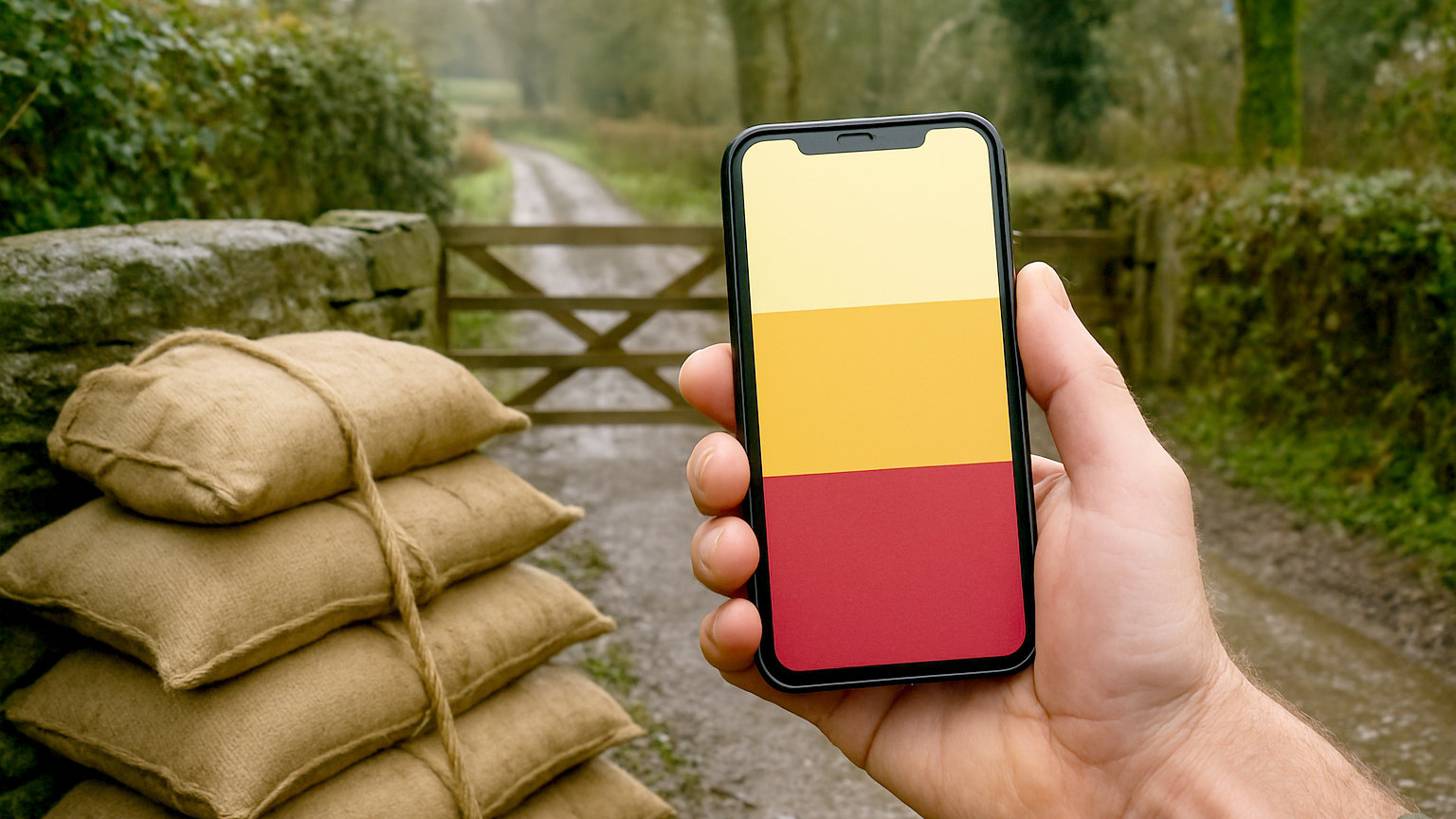
A system sending a loud siren and a message directly to mobile phones in a defined area when there is a threat to life. It uses cell broadcast, so it needs no app, no registration and no data, and it is not affected by network congestion. It has been used for severe flooding. Leave it enabled, since it costs nothing and it is the fastest warning available.
What about documents?
Keep copies somewhere accessible and somewhere else. Passports, birth certificates, insurance policies, bank details, prescriptions and the household plan, photographed and stored securely online or on a memory stick kept away from the house. Losing documents makes everything afterwards considerably harder, and copying them takes twenty minutes once.
Why does cash matter?
Because card payment depends on power and connectivity. During outages, shops that remain open frequently cannot take cards, and cash machines do not work. A modest amount in small notes and coins covers essentials for a few days. This is not about hoarding, it is about the practical fact that electronic payment fails with the electricity.
What is the most useful non equipment preparation?
A written plan and knowing your neighbours. One page covering who does what, where you would meet, an out of area contact everyone knows, and where the stopcock and consumer unit are. Then the names and numbers of two or three neighbours. Neither costs anything and both make a genuine difference in almost every scenario.
How much should you worry?
Less than the subject matter suggests. Preparation is worth doing because it makes ordinary disruptions manageable, and the same measures cover the unlikely ones. A household with a week of food, a torch, a radio and a plan has done the useful part, and further effort produces rapidly diminishing returns.
How is this different from any other preparation?
It is not, which is the reassuring part. The torch, the radio, the water, the food and the written plan cover a storm, a power cut, a flood and anything larger equally well. Nobody needs a separate set of equipment for national emergencies, and a household that has prepared for the ordinary disruptions has already done the work.
Hold a few days of food and water, keep a wind up torch and radio, leave Emergency Alerts on, copy your documents, keep some cash, and write the plan.