Snow produces dramatic photographs and the actual harm is mostly mundane: people falling over. Emergency departments see a sharp rise in fractures during icy spells, and the prevention is straightforward.
What causes most injuries?
Falls, by a wide margin, and particularly on ice rather than snow. Wrist, hip and ankle fractures rise sharply during icy weather, and older people are disproportionately affected with consequences that can be life changing. Black ice, which forms as a thin transparent layer, is the most dangerous because it is effectively invisible.
How do you avoid falling?
Footwear, pace and route. Boots with a deep grippy sole make an enormous difference, and slip on ice grips costing a few pounds transform confidence for anyone unsteady. Walk slowly with short flat footed steps, keep your hands out of your pockets for balance, and take a route with something to hold onto where possible. Shuffle rather than stride.
- Wear boots with deep grip, or slip on ice grips
- Take short flat steps and keep hands free for balance
- Grit paths early, before ice forms, not after
- Clear snow before it compacts into ice
- Watch for black ice on shaded and untreated ground
- Check on neighbours rather than expecting them to go out
How should you grit?
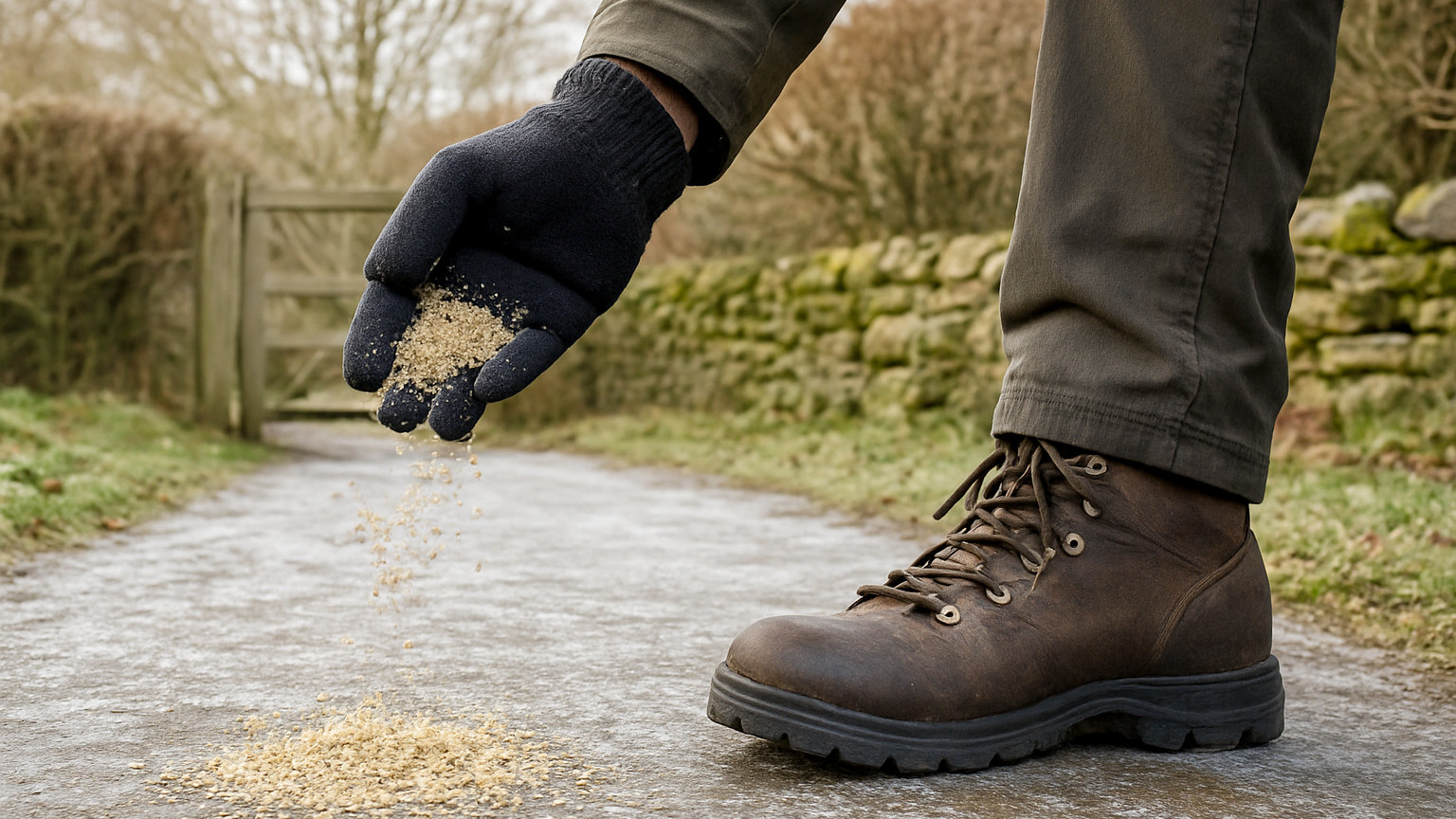
Early and sparingly. Rock salt works by lowering the freezing point and needs to be spread before ice forms or on freshly cleared ground rather than on top of established ice. A tablespoon per square metre is plenty. Salt becomes ineffective below about minus eight degrees, where sand or grit provides traction instead without melting anything.
Can you be sued for clearing a path?
This concern is widespread and largely misplaced. Government guidance has been clear that people should not be put off clearing snow and ice from paths outside their homes, and that it is unlikely you would be held liable if you act sensibly. Clear it properly rather than leaving compacted patches, use salt or grit, and do not create a worse hazard than existed before.
How do you clear snow properly?
Early, before it is walked on and compacts. Fresh snow is far easier to move than trodden snow that has turned to ice. Pile it somewhere it will not block drains, gullies or paths when it melts, and not in the road. Cover the cleared area with salt or grit, since a wet cleared surface freezes readily overnight.
What about walking in the countryside?
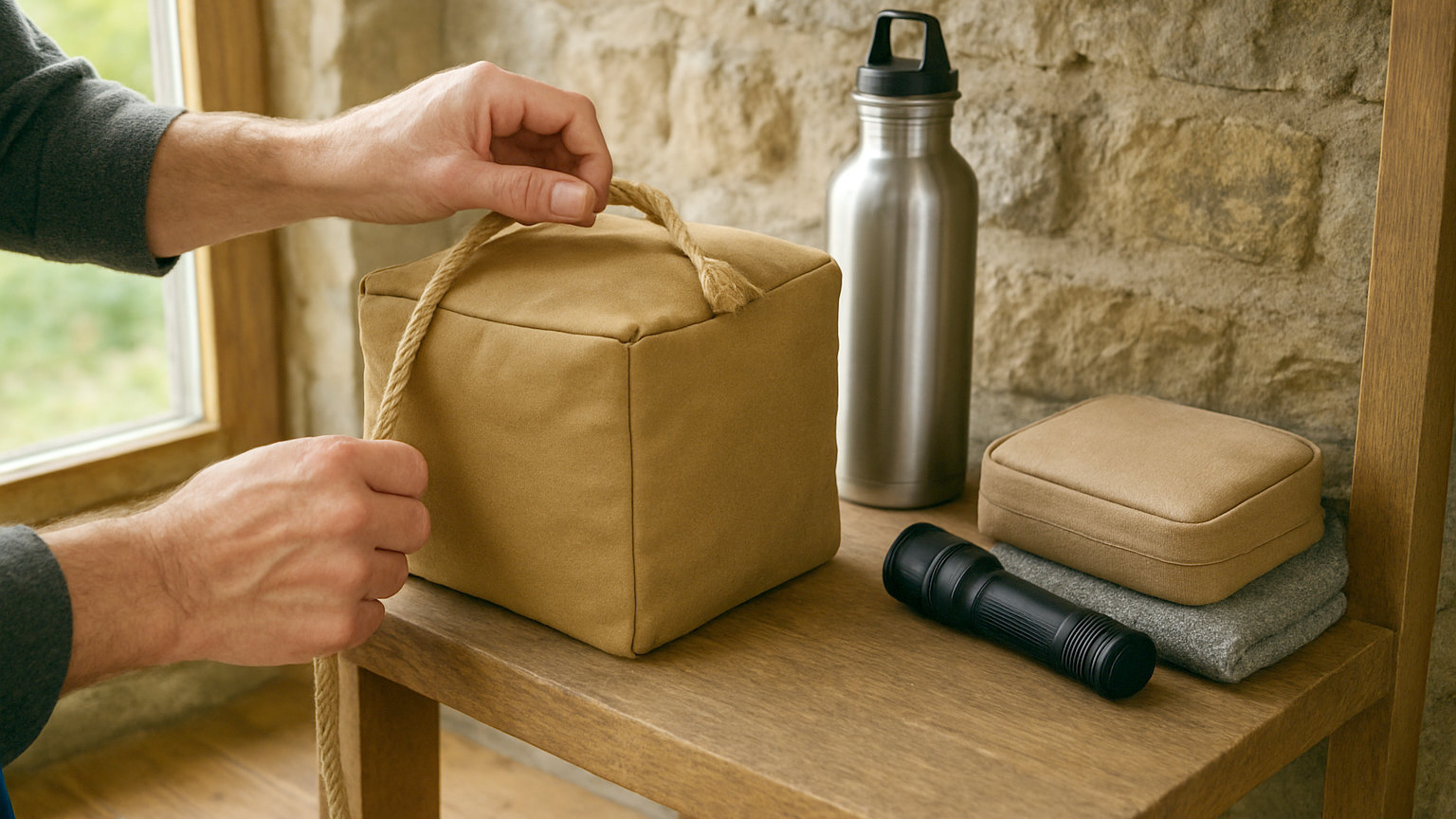
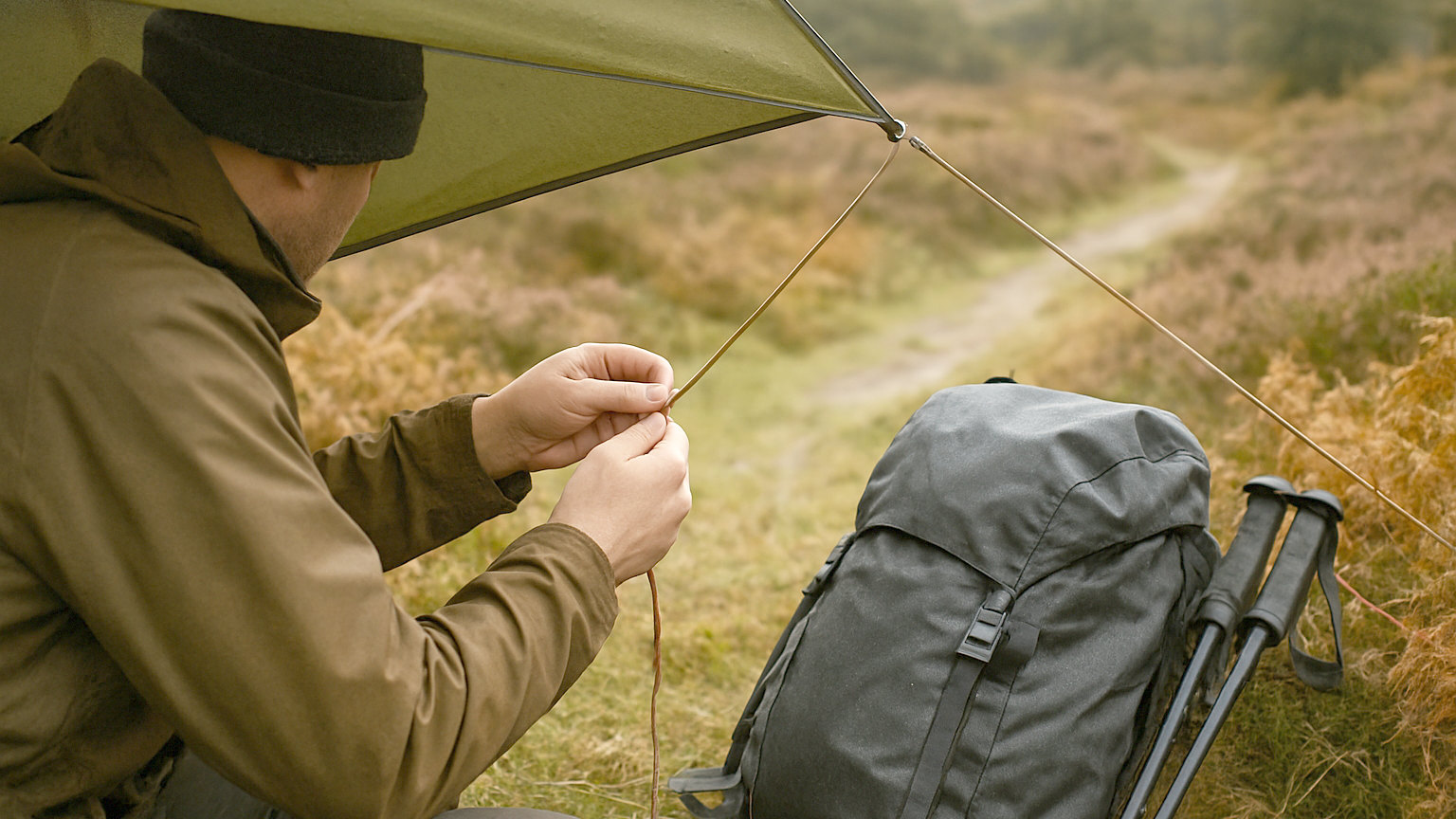
Treat it as a different activity from summer walking. Paths are hidden, familiar routes become unrecognisable, daylight is short and conditions change quickly. Add navigation equipment, extra layers, food, a group shelter and a head torch, tell someone your route, and turn back earlier than you would in summer. Snow covered ground also hides holes, streams and drops.
How do you stay warm?
Layers that work when damp, and no cotton. A base layer of wool or synthetic, an insulating mid layer, and a windproof and waterproof shell. Hat and gloves, since a great deal of heat is lost from the head and hands lose dexterity quickly. Keep moving, eat regularly, and add layers when you stop rather than after you feel cold.
Who needs checking on?
Older neighbours and anyone living alone, particularly if the path to their door is icy. Cold weather brings a rise in falls, respiratory illness and heart problems, and people become housebound and run short of food and medication. Offering to collect shopping or a prescription during an icy spell is one of the more useful things a neighbour can do.
What about cycling and scooters?
Both become considerably more dangerous and most people underestimate it. Ice removes grip from narrow tyres entirely and there is no way to recover a slide on two wheels. Painted lines, drain covers and tram rails become treacherous, and black ice on a cycle path is invisible. Lower the tyre pressure slightly for a larger contact patch, avoid leaning into turns, and accept that some days walking or public transport is the answer.
Wear grip, take short steps, grit before ice forms rather than after, clear snow while it is fresh, and check on anyone who should not be going out.