Home security attracts a great deal of marketing and comparatively little useful advice. The measures that actually reduce risk are unglamorous, mostly cheap, and largely about removing easy opportunities rather than repelling a determined attack.
What sort of crime are you actually preventing?
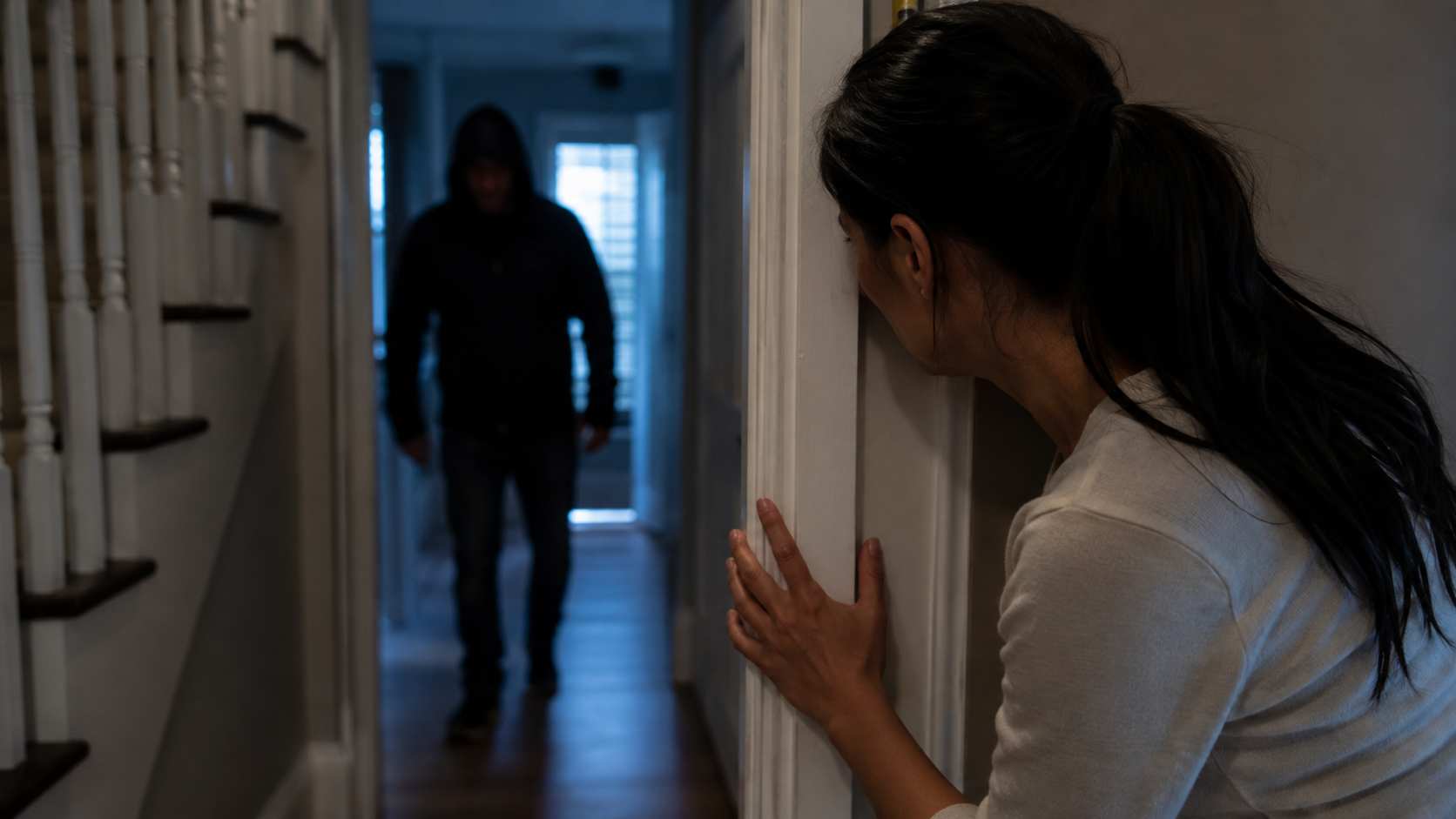
Opportunism, overwhelmingly. A substantial proportion of domestic burglaries in England and Wales involve no forced entry at all, meaning someone walked in through an unlocked door or reached through an open window. Most offenders are looking for a quick, low risk opportunity and will move on when a property looks like more effort than the one next door. That fact should shape everything else you do.
What should you fix first?
Habits, then locks, then visibility. Locking doors and windows every time, including when you are at home and in the garden, costs nothing and addresses the largest single category. Then upgrade weak locks, particularly the euro cylinder on a uPVC or composite door. Then improve lighting and sightlines so that anyone at your door is visible from the street.
- Lock doors and windows even when you are at home
- Fit anti snap cylinders to uPVC and composite doors
- Lift the handle and turn the key on multipoint locks
- Keep keys away from the letterbox and out of sight
- Light the approach and keep sightlines open
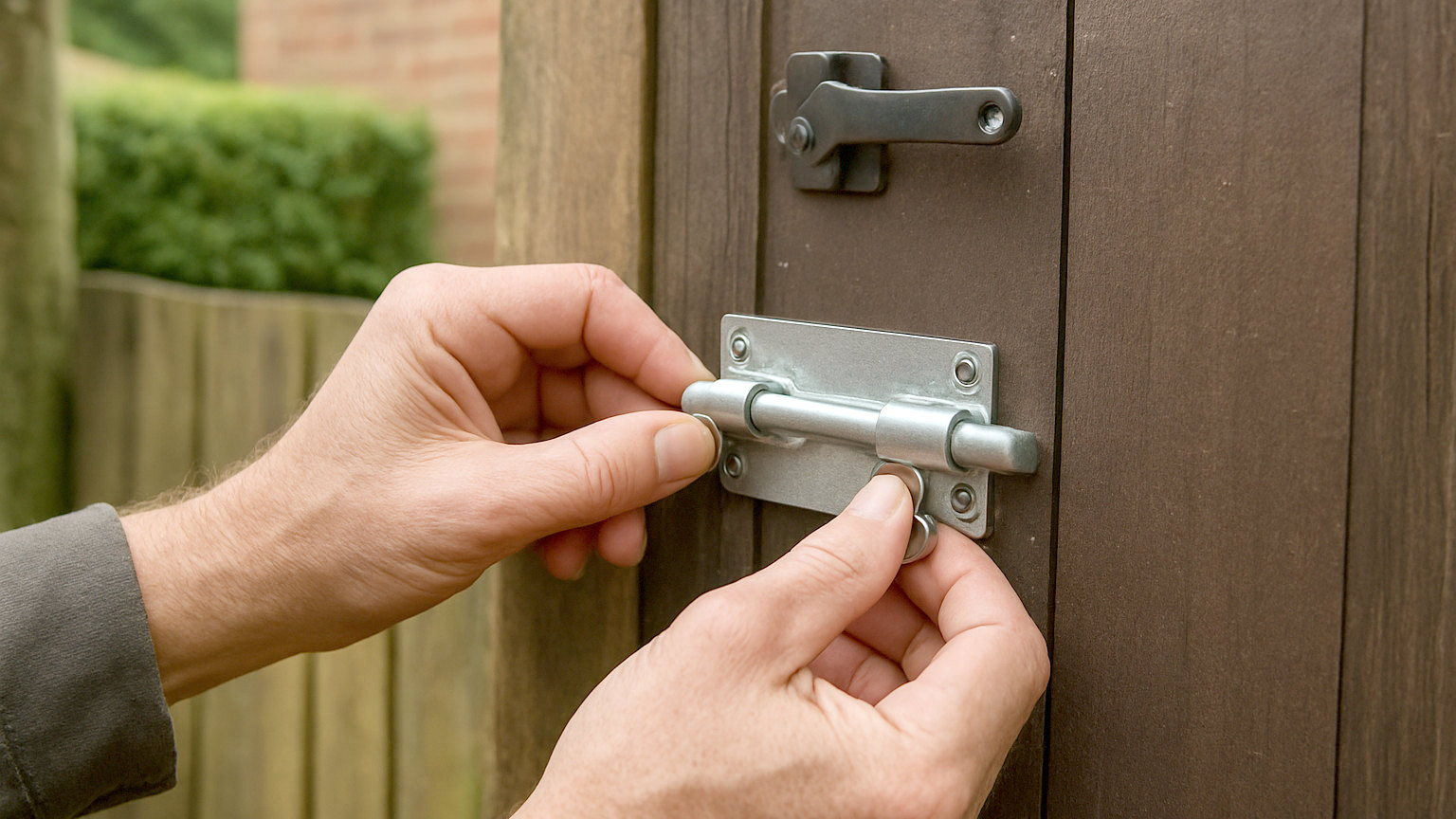
- Secure sheds, garages and side gates, which are common weak points
Why does the euro cylinder matter so much?
Because lock snapping has been a dominant method of forced entry in Britain for years. Standard cylinders can be snapped in seconds with basic tools, defeating an otherwise strong multipoint door. Replacing them with a three star rated anti snap cylinder is inexpensive, takes minutes, and removes a well known vulnerability. It is the single highest value physical upgrade for most modern homes.
What about the door you already have?
A modern multipoint locking door is strong if it is actually locked. Many people close the door and turn the key without lifting the handle, which engages only the latch and leaves the hooks and bolts disengaged. Lifting the handle before turning the key is what activates the full mechanism, and a surprising number of households have never been told this.
Does lighting help?
Yes, when it makes people visible rather than simply bright. Motion activated lighting at entrances and along side access removes dark approaches and signals occupancy. Inside, timer switches on a lamp and a radio create a convincing impression that someone is home. Floodlighting an entire garden is less useful, since it can create deep shadows and irritate neighbours whose attention you actually want.
What about sightlines and boundaries?
Keep the front open and the back closed. A low front boundary means anyone at your door is visible to neighbours and passersby, whereas a high hedge provides cover. At the rear, a secure gate with a lock, a fence in good condition and trellis on top all make access more difficult and more conspicuous. Gravel paths are genuinely effective, since they are impossible to cross quietly.
How much should you spend?
Less than you think. Anti snap cylinders, window locks, a decent side gate lock, a shed hasp and a couple of motion lights cover the substantive risks for a modest sum. Alarms and cameras have a place and come after the basics, because a monitored alarm on a house with a snappable cylinder and an unlocked side gate is a poor allocation of money.
What is the most overlooked measure?
Knowing your neighbours. A household whose neighbours would notice an unfamiliar van, challenge a stranger at the door or call the police is better protected than one with an expensive system and no relationships. It costs nothing, it improves several other things at once, and it is consistently ranked highly by people who study residential crime.
Lock everything every time, fit an anti snap cylinder, light the approach, secure the back gate, and get to know your neighbours.