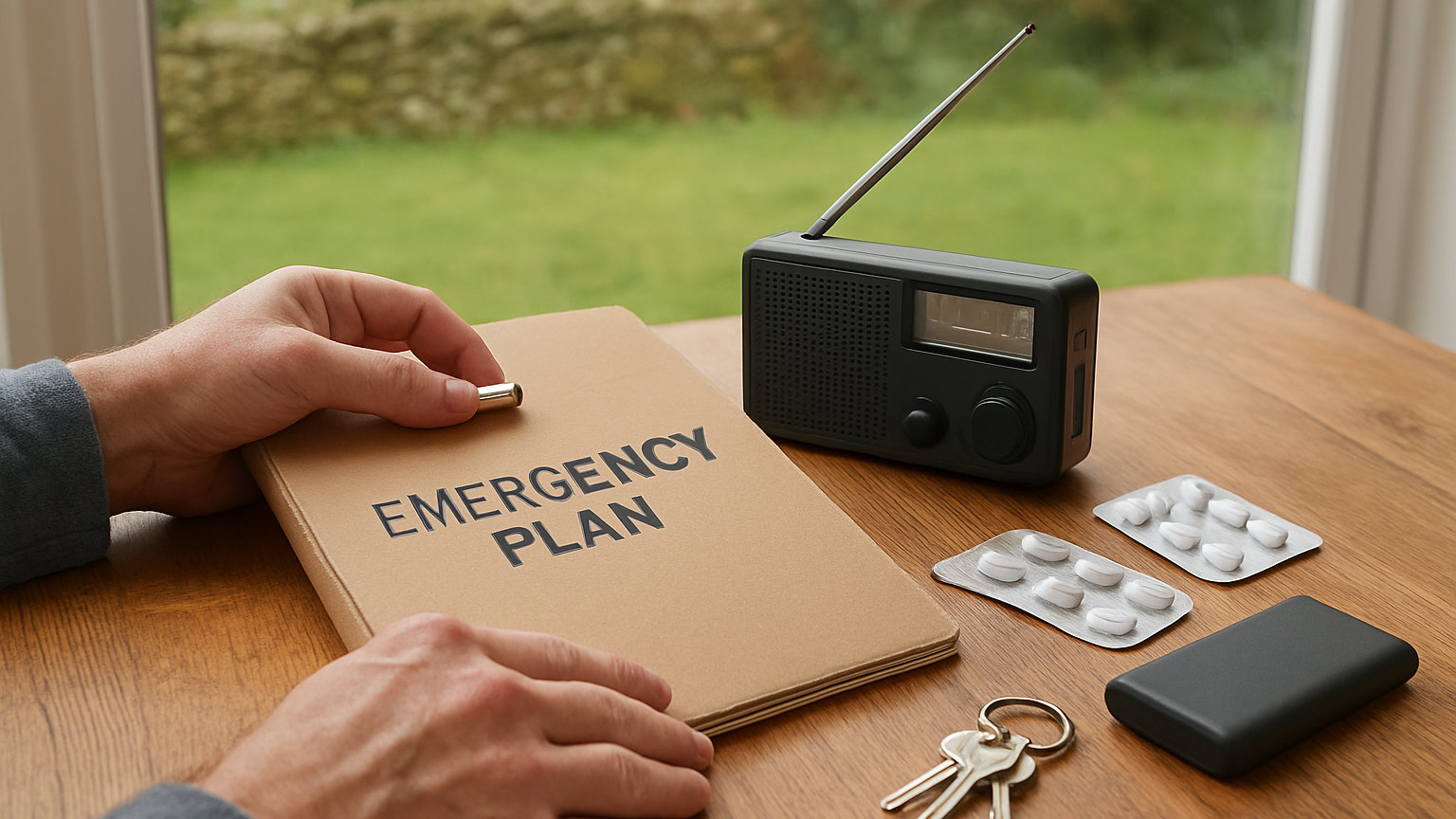
An emergency plan written three years ago and never revisited is often worse than no plan, because it carries the confidence of preparation without the substance. Everything in it decays, and none of the decay is visible.
What actually goes out of date?
Nearly everything. Phone numbers change, people move, the out of area contact emigrates. Medication is changed by a GP. Children grow out of clothing in the grab bag and into new responsibilities. Batteries die in storage. Food and water pass their dates. Insurance policies renew with different numbers. Employers, schools and childcare arrangements change. Each is trivial individually and collectively they render the plan unusable.
How often should you review it?
Once a year for the whole plan, with a shorter check twice a year for the kit. Anchoring it to something already in the calendar is what makes it happen. The clocks changing is the conventional prompt, and it coincides with the standard advice to test smoke alarms, which makes a natural bundle. Insurance renewal is another good anchor since the policy details need updating anyway.
- Annually, review the whole plan and all contact details
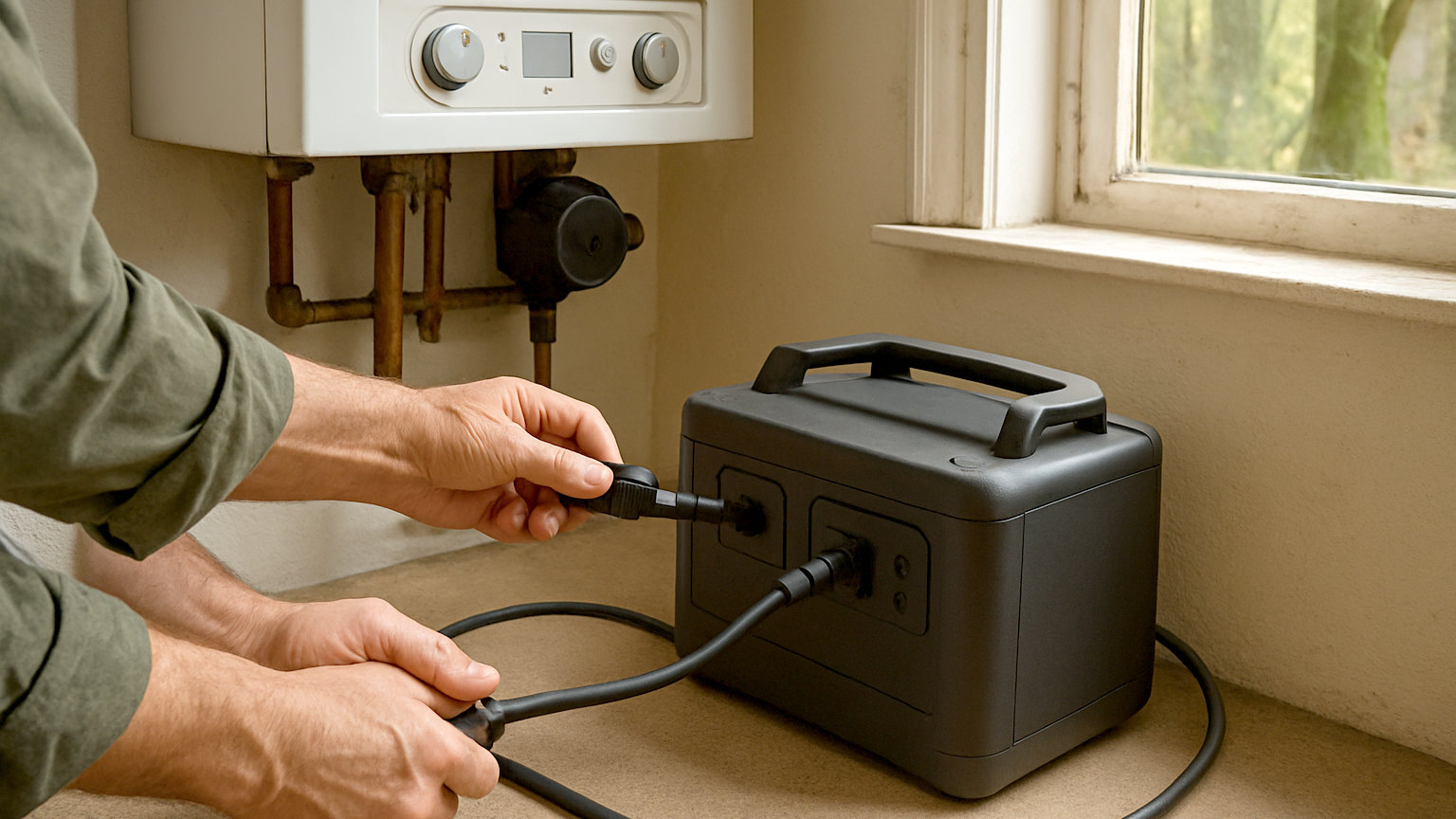
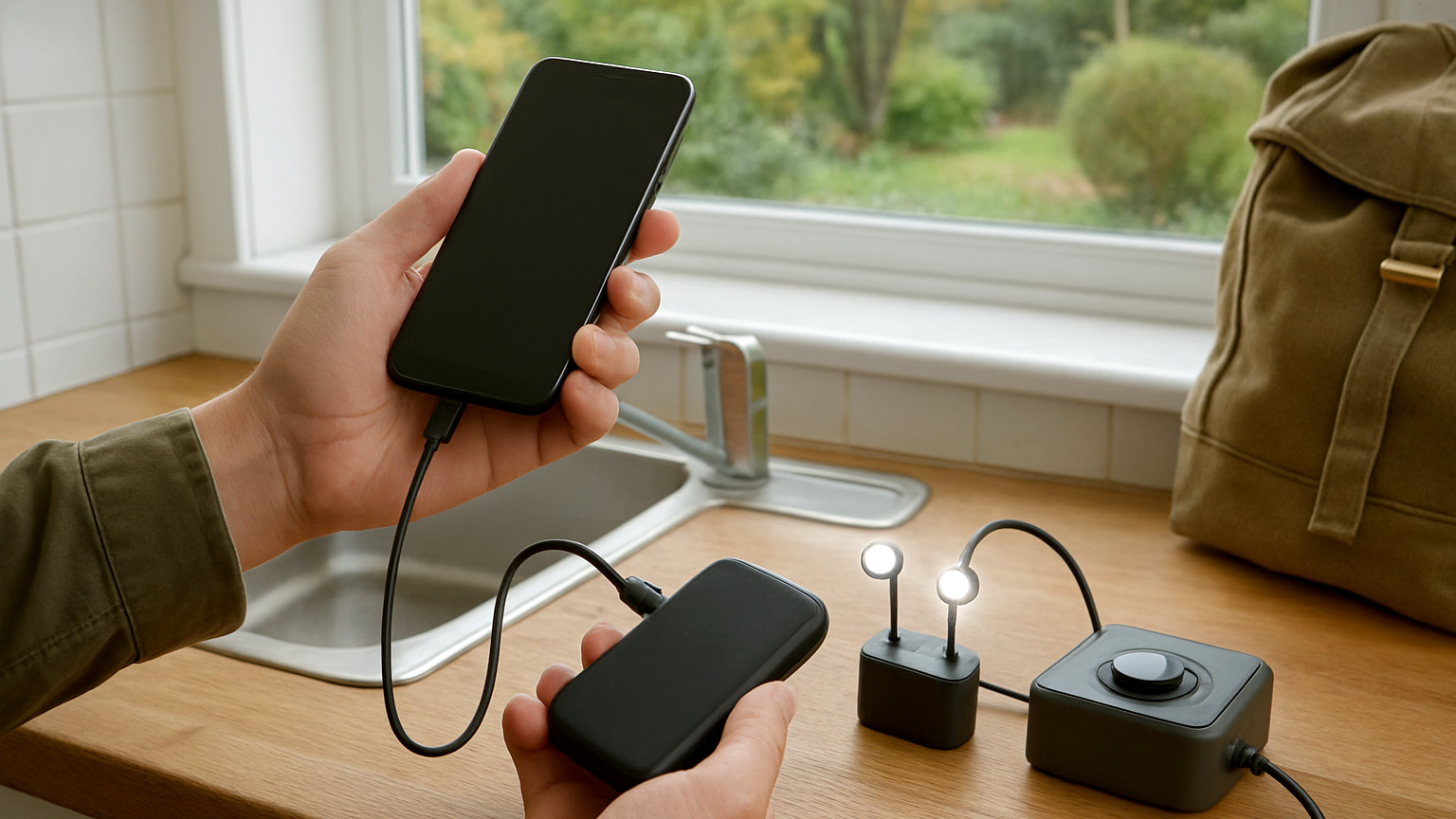
- Twice yearly, check torches, batteries, radio and power banks
- Twice yearly, test smoke and carbon monoxide alarms
- Annually, rotate stored water and check food dates
- After any change, update medication, schools and employers
- After any incident, note what was missing and fix it
What should trigger an immediate update?
Any change to the household or its circumstances. A house move, a new job, a change of school, a new baby, a new pet, a diagnosis, a change of medication, a relative moving away, a change of insurer or a new phone number. These are the events that break plans, and updating at the time takes two minutes while discovering the gap later is expensive.
How do you stop the kit degrading?
By using it. A grab bag left untouched for five years contains dead batteries, perished elastic and expired tablets. Take the torches camping, eat the stored food and replace it, rotate water annually. Removing alkaline batteries from stored devices prevents leakage that ruins them, and storing them alongside instead is a small habit that saves equipment. Lithium cells store considerably better than alkaline for long term use.
Who else should get the updated version?
Everyone who had the old one. The out of area contact, any relative holding a copy, and every household member. An outdated copy circulating is worse than none, since someone may act on it. Replace rather than supplement, and put a date on every version so it is obvious which is current.
How do you keep it from becoming a chore?
Keep the plan short and the review shorter. A two page plan can be reviewed in twenty minutes. If your annual review feels like an afternoon of work, the plan has grown beyond what will be maintained, and cutting it back is the right response. The version that gets kept current is always the simple one.
What is worth recording each time?
The date of the review and anything you changed. Over a few years this builds a useful picture of what keeps going stale, which tells you where to build better habits. If the same item is out of date at every review, either automate it or accept that it does not belong in the plan.
What is worth automating?
Anything with a date on it. Set calendar reminders for insurance renewal, passport expiry, medication reviews and the twice yearly kit check, so the prompt arrives without anyone remembering to think about it. Some households keep a single note listing every expiry date in the plan, which turns a scattered problem into one line to scan. The less the maintenance depends on someone feeling motivated, the more reliably it happens.
Diarise it with the clocks changing, keep the plan to two pages, use the kit so it stays alive, and update immediately when anything changes.