Generic preparedness advice quietly assumes adults. Babies and small children need specific provision, they need it continuously rather than occasionally, and almost none of it can be improvised from what is in the house.
What is the most important item?
Ready to feed formula in cartons, for any baby who is formula fed. It requires no water, no sterilising and no measuring, which is precisely what you want during a power cut or a boil water notice. Powdered formula must be made with water at the correct temperature to kill bacteria in the powder, which is difficult without a kettle. A supply of cartons removes the problem entirely and is the single most valuable thing in a kit for a baby.
What else does a baby need?
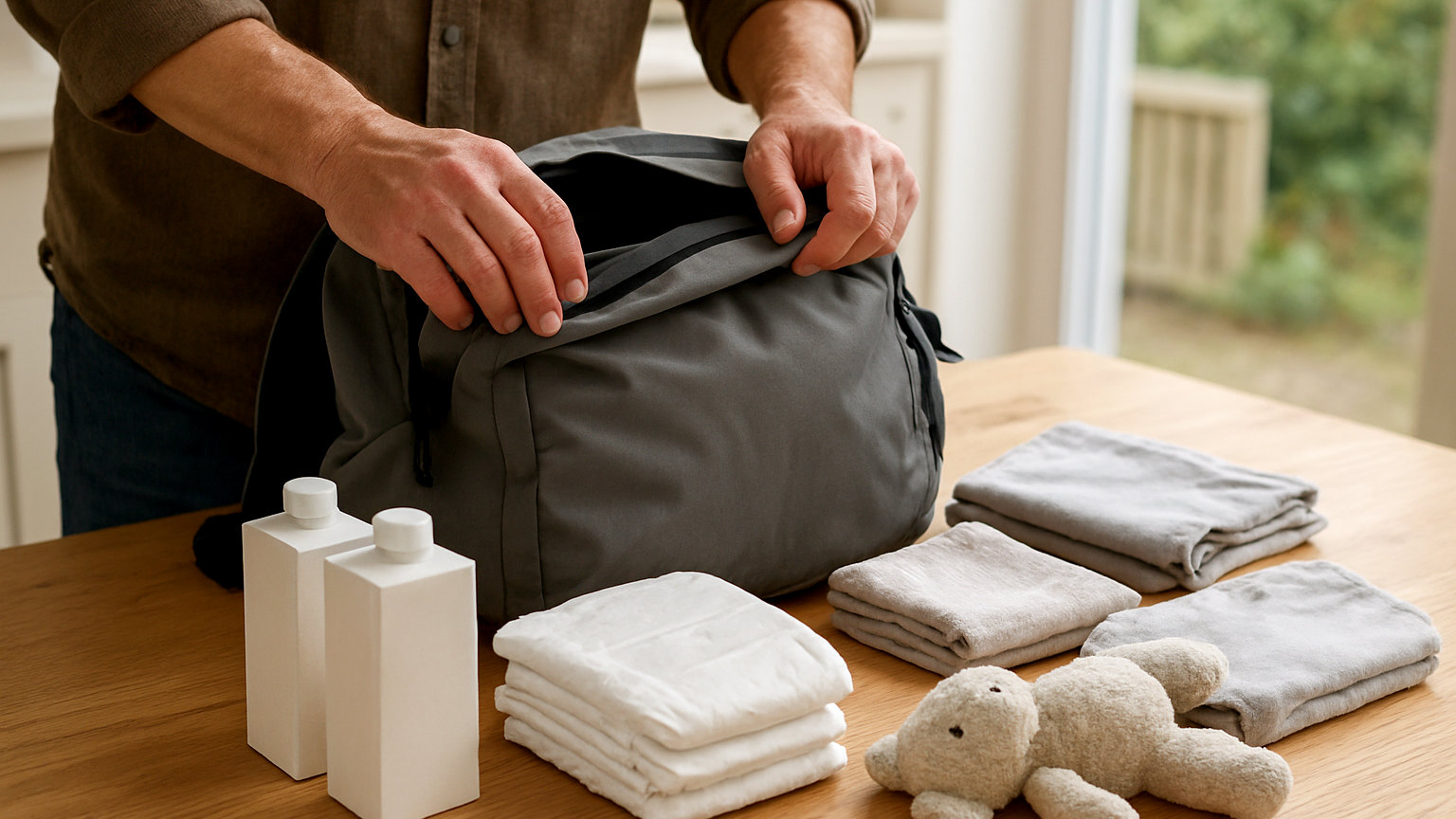
Nappies in quantity, wipes, nappy sacks, and a changing mat. Sterilising equipment that does not need power, such as cold water sterilising tablets. Spare bottles and teats. Calpol or the equivalent infant paracetamol. Spare clothing and blankets, since babies lose heat fast. A sling or carrier, which is far more practical than a pushchair if you have to move on foot over rough ground or through water.
- Ready to feed formula cartons, needing no water
- Nappies, wipes, sacks and a changing mat
- Cold water sterilising tablets and spare bottles
- Infant paracetamol and a thermometer
- Spare clothing, blankets and a sling or carrier
- Familiar comfort items and something to do
What about breastfeeding?
It is the most resilient option in a disruption, requiring nothing external, and supporting the mother is what protects it. Stress and dehydration can affect supply, so priority should go to keeping her warm, fed, hydrated and rested. A hand pump that needs no power is worth having if expressing is part of your routine, since electric pumps stop working.
What do older toddlers and children need?
Familiar food above all, since children under stress reject unfamiliar things and will simply not eat. Include snacks and meals they already like rather than nutritionally optimal items they will refuse. Add spare clothing, since children get wet and dirty faster than adults, and a change of shoes. Wet wipes are useful far beyond nappies.
Why do comfort items matter?
Because a frightened child who has their familiar toy or blanket is a manageable situation, and one who does not is considerably harder for everyone. A specific comforter should be on the list of things to grab, and a spare kept in the bag if the child has one. Small toys, colouring things and a book occupy children through hours of waiting, which is genuinely valuable when nobody can use a screen.
How much should you keep?
A week of nappies and formula as a working target, rotated normally so nothing expires. Formula in particular has a limited shelf life and cartons should be checked at each kit review. Buying an extra pack of nappies slightly ahead of need naturally maintains a buffer without any special effort or expense.
What changes as they grow?
Everything, quickly, which is why the twice yearly check matters more for households with small children. Nappy sizes change, clothing stops fitting, formula is dropped, and comfort items are replaced. A bag packed eighteen months ago for a baby is close to useless for the toddler that baby has become, and this is the most common way family kits fail.
How do you keep them warm without heating?
By layering and by contact rather than by heating the room. Babies lose heat far faster than adults because of their surface area relative to body mass, and they cannot shiver effectively to generate it. Use several thin layers, keep a hat on, and hold them close, since body contact is the most efficient heat source available. Avoid loose blankets for sleeping infants, and keep the household in one warm room rather than trying to heat the house.
Stock ready to feed cartons, keep a week of nappies, include food they actually like and the comforter they actually use, and check it every six months.