Keeping a phone alive during an outage matters more than any other electrical need, because it is how you call for help, receive emergency alerts and find out what is happening. Charging it is easy, and making the charge last is where most of the benefit lies.
What are the charging options?
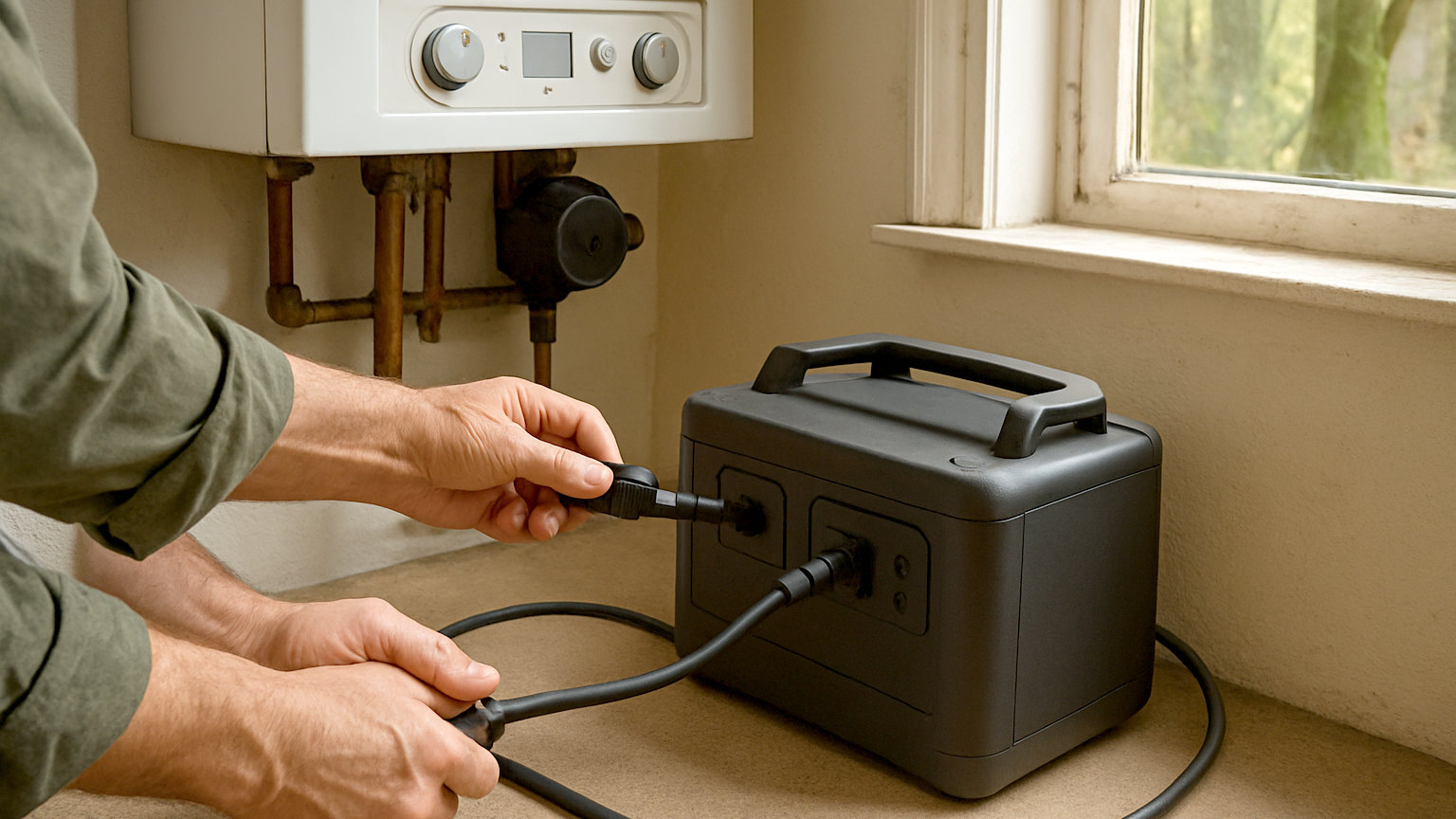
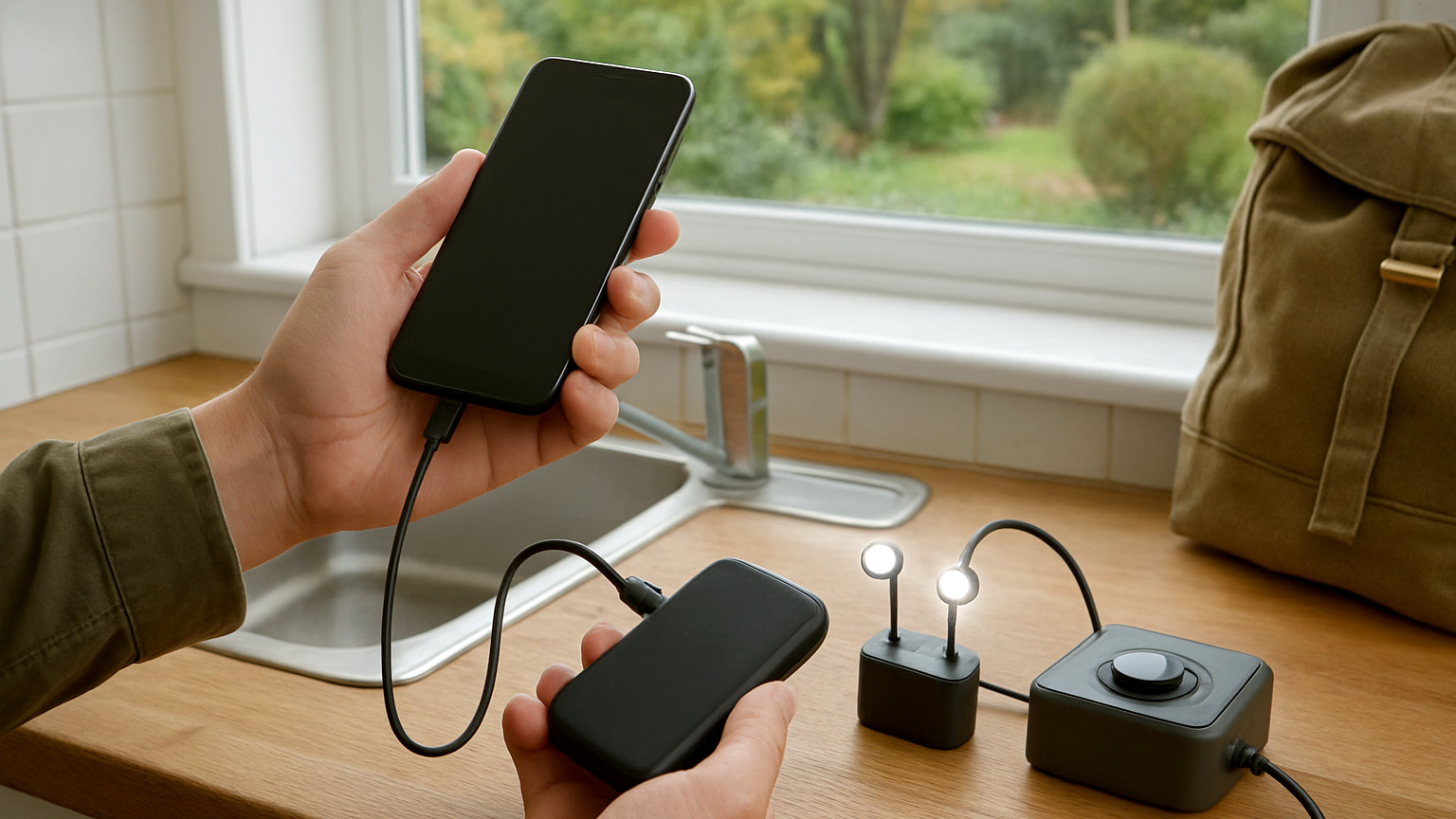
A power bank, which is the simplest and should be the first thing you own. A vehicle, either through the twelve volt socket or a USB port. A laptop, which holds a substantial battery and can charge a phone over USB. A portable power station. A folding solar panel for extended outages. A wind up radio with a USB output, which is slow and works with no other resource at all.
- Power banks, kept charged and stored with their cables
- The car, with sensible use of the engine
- A laptop battery, which will charge a phone several times
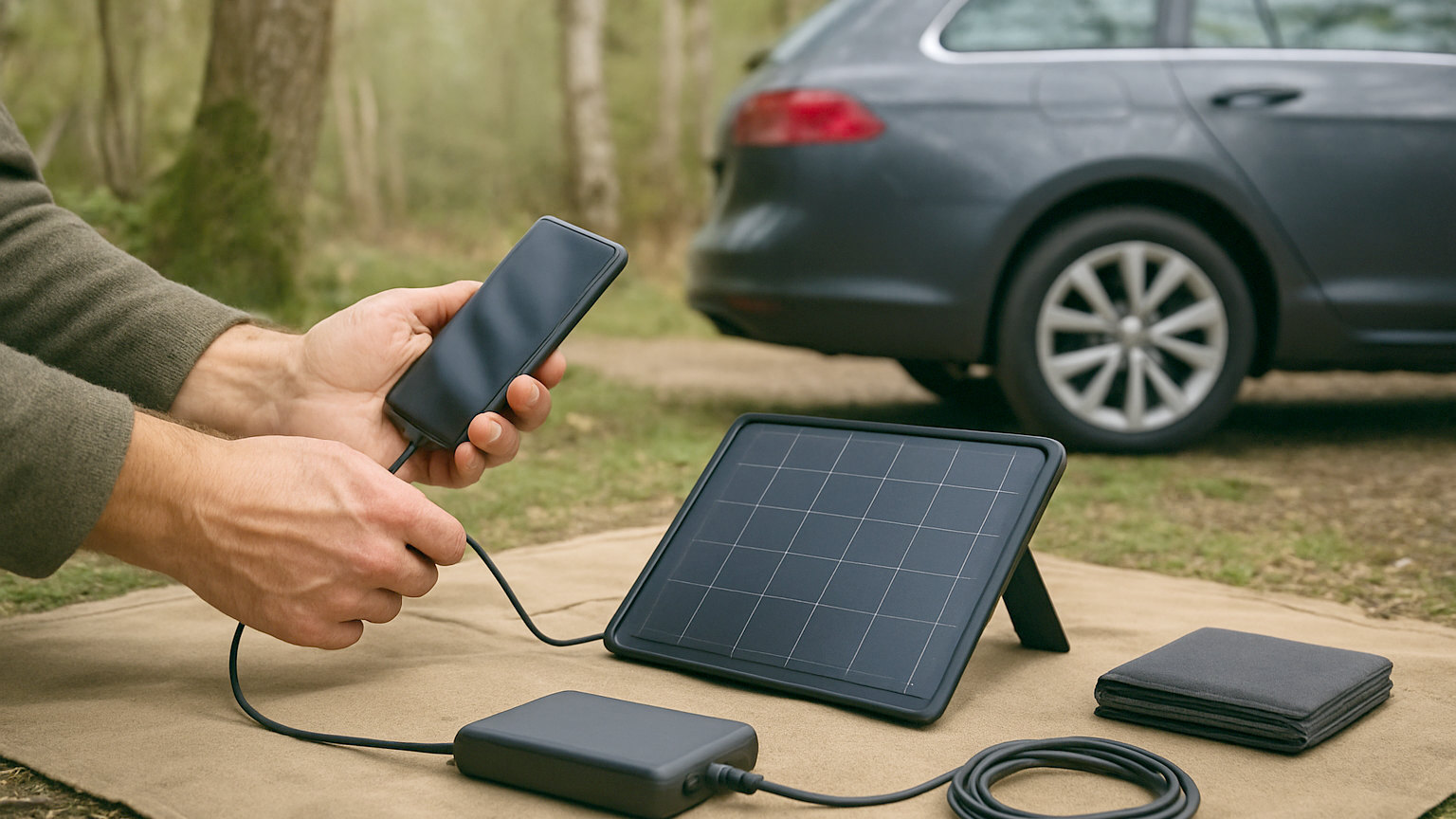
- Folding solar panels for outages lasting days
- Wind up chargers as a last resort
- Low power mode and flight mode to extend what you have
How should you use the car?
Sparingly and never in an enclosed space. Most cars will charge phones from the twelve volt socket without the engine running, though this drains the starter battery, so limit it and start the engine periodically. Never run an engine in a garage or any enclosed area because of carbon monoxide. An inverter plugged into the twelve volt socket provides a mains socket for small loads, typically up to a hundred and fifty watts, which covers a laptop charger or a few lamps.
How do you make a phone battery last?
By cutting what drains it. Searching for signal is the largest single drain, so flight mode when you do not need connectivity saves an enormous amount, with brief periods switched on to check messages. Reduce screen brightness, close background applications, turn off location services and stop streaming anything. Low power mode does most of this automatically and can double or triple standby time.
Why does cold matter?
Because lithium batteries lose capacity sharply in the cold, and a phone showing sixty percent outdoors in winter can shut down within minutes. Keep phones and power banks in an inside pocket against your body rather than in a bag or a cold room. Warming a phone that has shut down will usually bring some charge back, since the loss is temporary rather than permanent damage.
What should you prioritise?
One phone kept alive rather than four kept half charged. Agree that a single household phone stays on for calls and alerts while the others are switched off entirely, which multiplies how long you retain the ability to contact anyone. Keep that phone charged first whenever a charging opportunity appears, and use the others only when there is surplus.
Does solar work well enough?
A proper folding panel does, in daylight. A hundred watt panel will charge a power bank or a small power station meaningfully even on a bright overcast British day, though output falls sharply in winter and under heavy cloud. Small solar panels built into power banks are largely ineffective and should not be relied upon. For outages measured in days rather than hours, a folding panel is a sensible addition.
What about charging elsewhere?
Perfectly reasonable and frequently overlooked. Libraries, cafes, community centres, workplaces and rest centres all have power, and local authorities sometimes open warm spaces during prolonged outages. A car journey to somewhere with electricity charges everything at once. There is no need to solve the problem entirely at home.
What should you set up in advance?
Charged power banks with their cables attached, a car charger in the vehicle, and low power mode understood before you need it. Download offline maps and save key numbers so you do not need data. Register for emergency SMS by texting the word register to 999, since a text sends where a call will not connect and uses far less battery.
Keep two charged power banks with cables, use flight mode aggressively, keep phones warm, and nominate one phone to stay on.