People tend to signal hard for an hour and then lose heart. Understanding roughly how long a rescue actually takes changes how you pace the effort and what you hold in reserve.
How long does a rescue typically take?
Longer than most people imagine. From a 999 call, a mountain rescue team must be alerted, assemble, travel to a start point and then walk in, which routinely means three to six hours before anyone reaches you in difficult terrain. Poor weather, darkness or an uncertain location extend that considerably. Helicopters are faster where they can fly and are frequently grounded by cloud or wind. Planning to signal for a night rather than an hour is realistic.
What does that mean for resources?
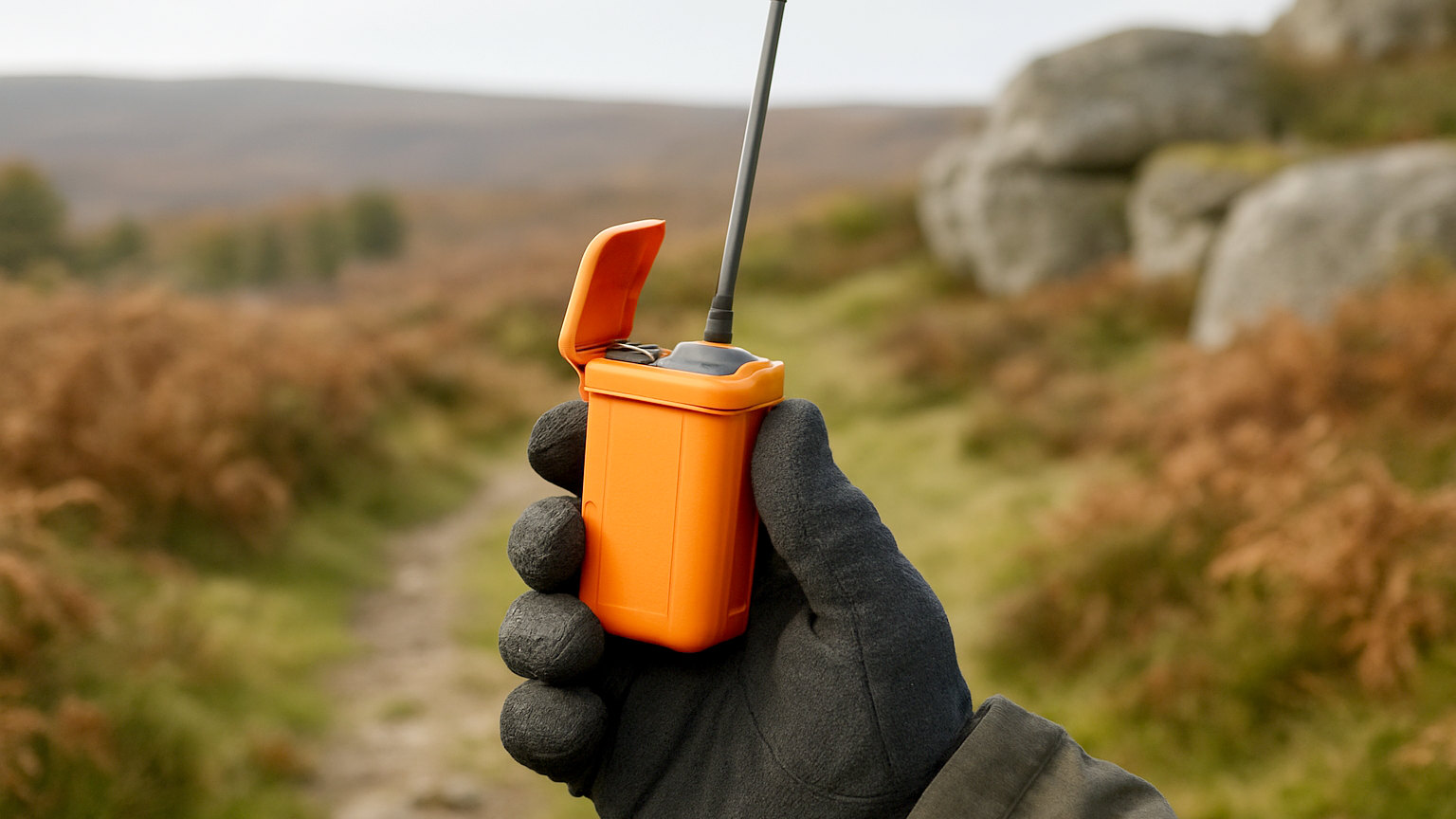
Ration everything from the outset. Torch batteries, fire fuel, food, water and your own energy all need to last through a period you cannot predict. The common error is an intense burst of signalling in the first hour, flattening a torch and burning the prepared fuel, followed by nothing when a search is genuinely under way at two in the morning. Assume you will need to sustain the effort for far longer than currently seems likely.
- Signal in short bursts with listening pauses between
- Increase intensity sharply when you hear or see anything
- Keep torch batteries warm and use the lowest useful setting
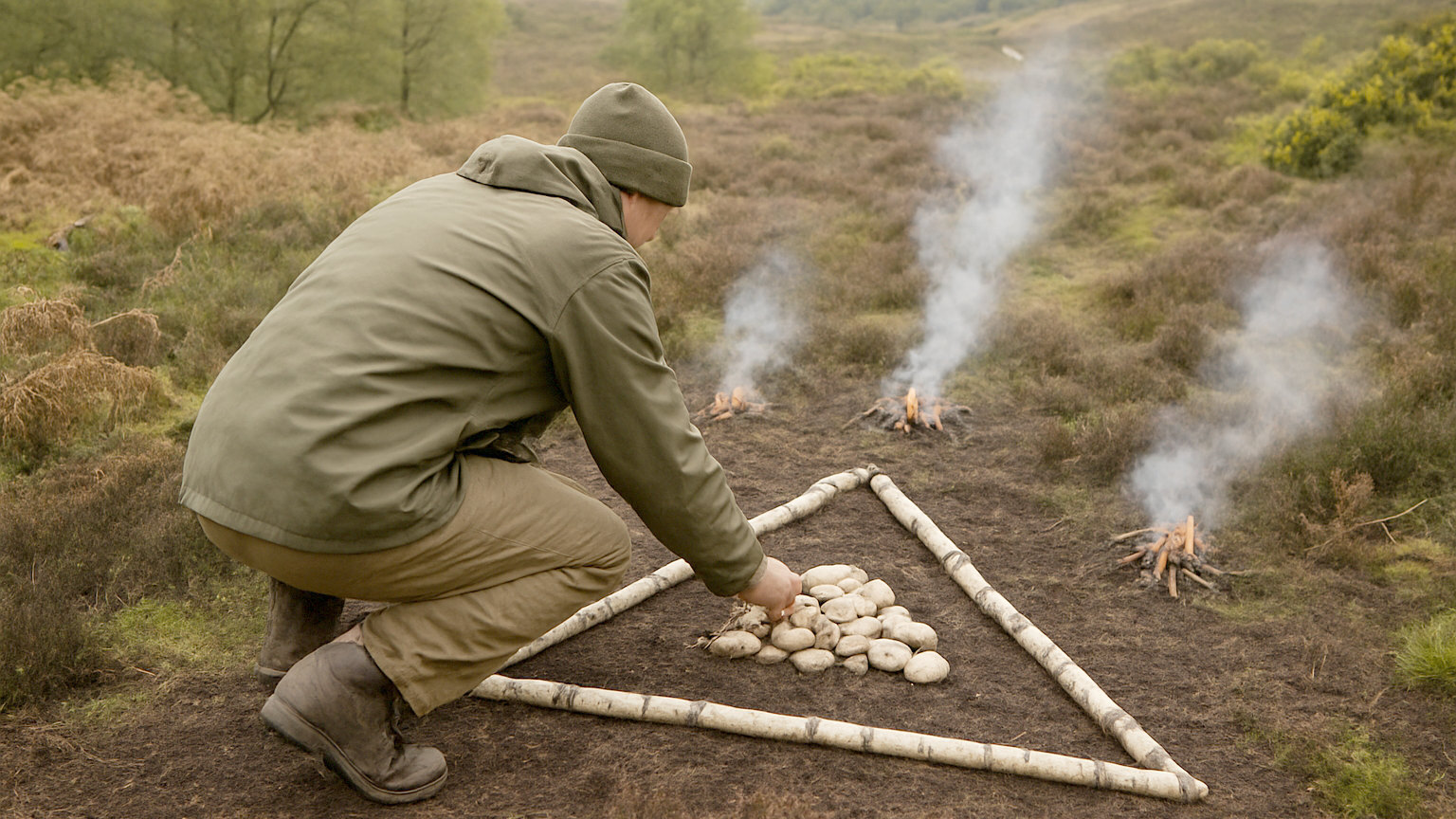
- Prepare fire fuel in daylight and light it only when useful
- Prioritise staying warm and dry over signalling continuously
- Continue after any acknowledgement until help physically reaches you
Why signal in bursts?
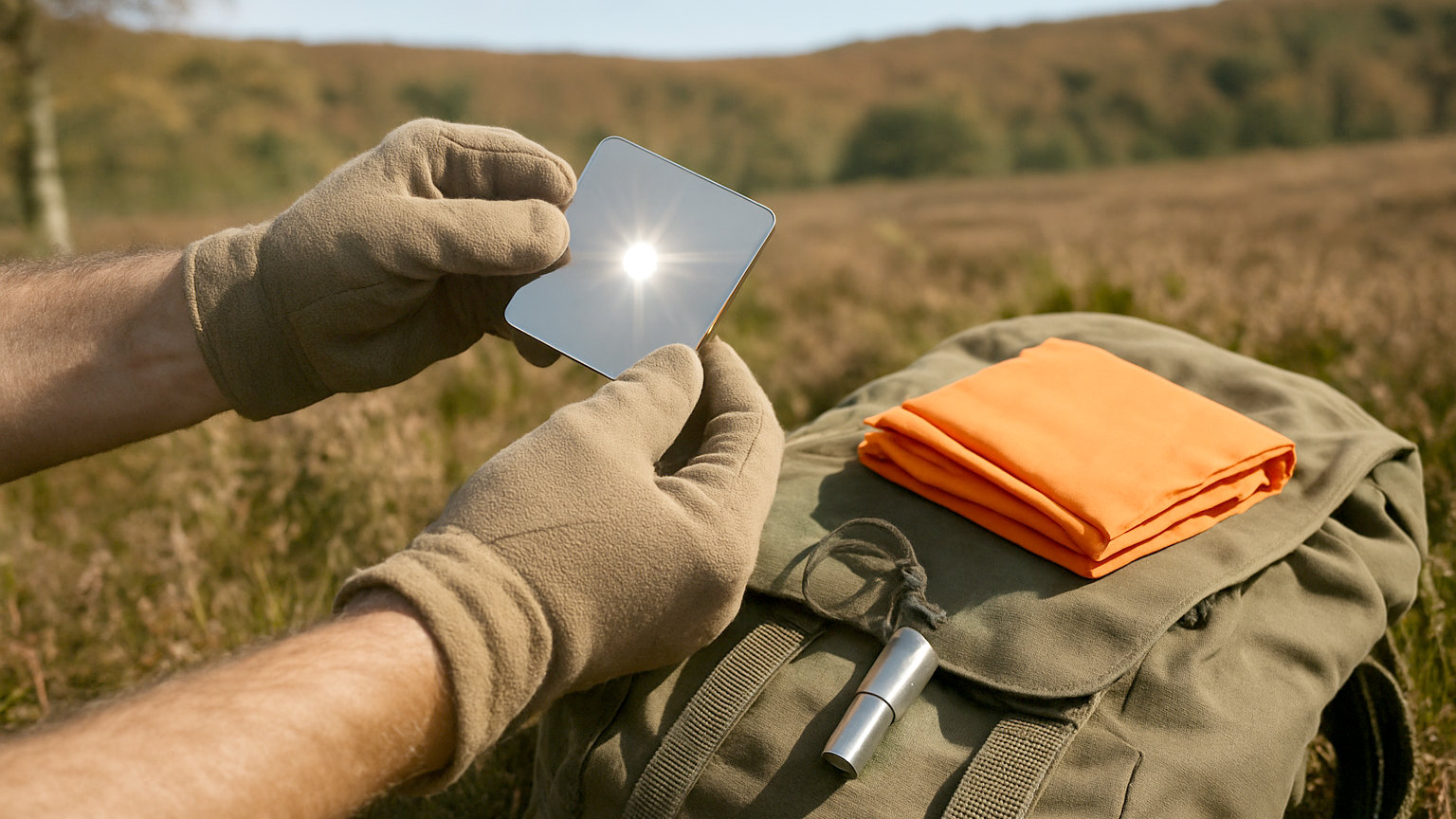
Because the pauses are functional. Six blasts across a minute followed by a minute of silence lets you listen for a reply, conserves your voice, battery or fuel, and produces a distinctive pattern that reads as deliberate. Continuous noise or light is exhausting to produce, consumes resources fast, and is no more likely to be noticed than a regular pattern.
When should you increase the effort?
Immediately on any sign of activity. Aircraft noise, vehicle engines, dog barks, voices, torch beams or headlights all justify signalling as hard as you can for as long as they persist. These are the moments the reserve exists for. Search aircraft may pass within a few hundred metres without seeing you, so a sustained response during those windows is worth far more than steady effort in between.
Does staying warm matter more than signalling?
Usually yes, and the two compete for your attention. A person who becomes hypothermic while building signals has made their situation substantially worse, since cold degrades judgement and eventually the ability to signal at all. Get sheltered and insulated first, then signal from within that shelter, emerging to respond when there is something to respond to. Survival first, visibility second.
When should you stop?
When help has physically reached you, not when you think you have been seen. Aircraft leave to refuel or reposition, teams change direction, and an apparent acknowledgement can be a coincidence. Keep the pattern going and keep your markings in place until someone is standing in front of you. Stopping early after a presumed sighting is a recurring frustration from the rescue side.
What if nobody knows you are missing?
The calculation changes, because no search will begin. This is the argument for always leaving a route plan and a return time with someone reliable. Without that, self rescue becomes far more important, and signalling should be aimed at chance observers such as other walkers, roads, farms and passing aircraft rather than at a search that is not happening.
What should you do during the quiet hours?
Improve your position and rest properly. The long stretch when nothing is happening is the time to deepen insulation, gather more fuel, enlarge ground markings, and eat and drink something. Sleep in short periods if you can do so safely and warmly, since exhaustion degrades judgement as surely as cold does. Set yourself a routine of signalling, listening, improving and resting on a cycle, because structure makes a long wait considerably more bearable and keeps you doing useful things.
Pace it for a night rather than an hour, keep warm first, hold a reserve for the moment something appears, and keep going until someone reaches you.