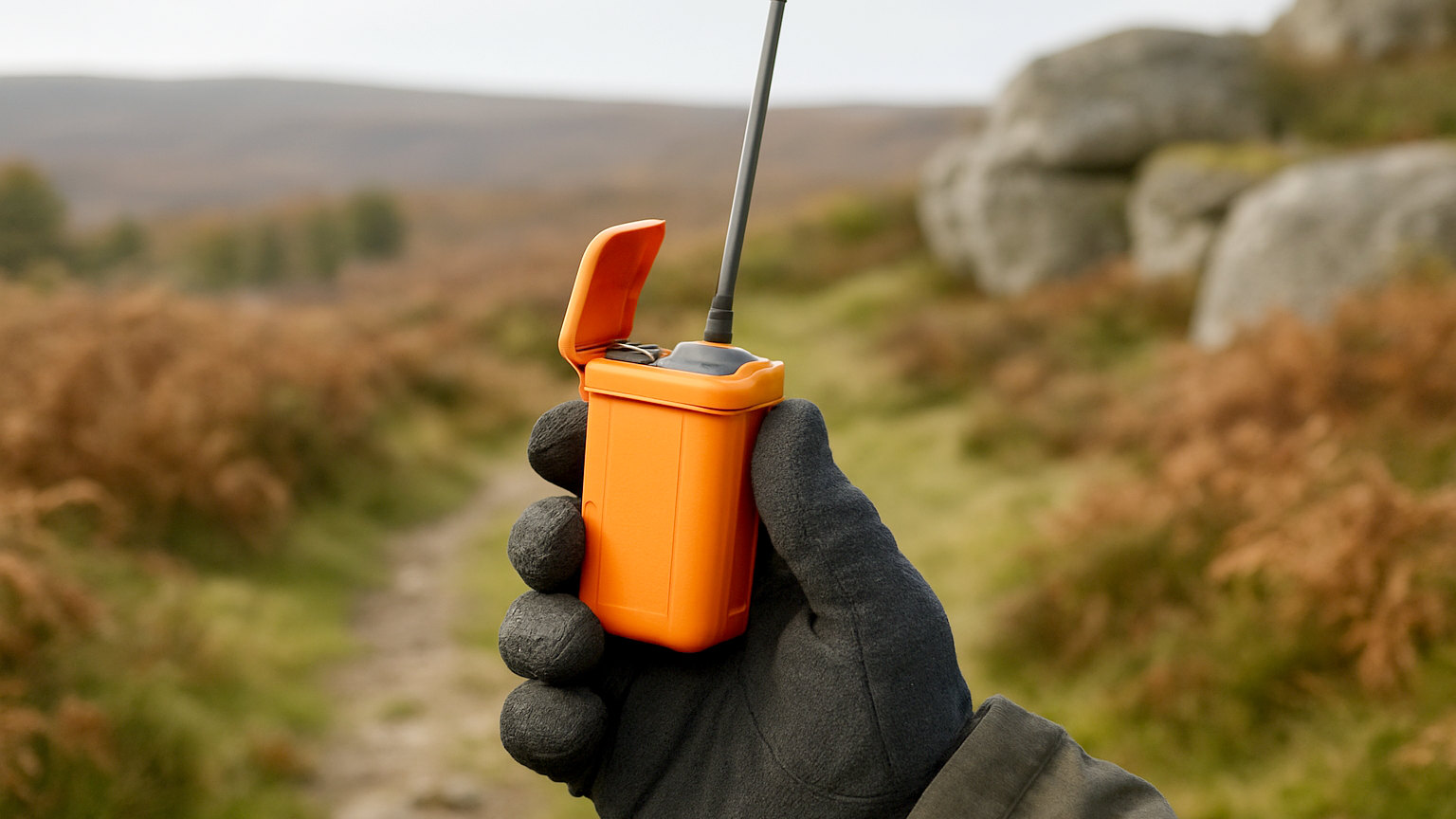
A personal locator beacon is the most reliable way of summoning help from anywhere, including places with no mobile coverage at all. It is a single purpose device that does one thing extremely well.
How does it work?
On activation it transmits a distress signal on 406 MHz to an international network of satellites, which relays it to a mission control centre and then to the rescue coordination authority for your location. The transmission carries a unique identifier registered to you, along with a GPS position. Most beacons also emit a lower power homing signal on 121.5 MHz that rescue aircraft and teams use to pinpoint you in the final stage.
Why is registration essential?
Because the identifier is meaningless without it. Registration links the beacon to you, your emergency contacts and details of your typical activities, which lets the coordination centre check whether an activation is genuine, contact someone who knows your plans, and tailor the response. In the United Kingdom, beacons are registered with the Maritime and Coastguard Agency beacon registry, the process is free, and an unregistered beacon substantially slows the response.
- Register the beacon before first use, which is free in the UK
- Keep contact details and trip information up to date
- Activate outdoors with a clear view of the sky
- Leave it switched on and stay with it once activated
- Check the battery expiry date, typically five to seven years
- Test it using the built in self test rather than by transmitting
Does it need a mobile signal?
No, which is the entire point. It communicates directly with satellites rather than through any terrestrial network, so it works in deep valleys, on remote moorland, at sea and in countries where you have no roaming. There is also no subscription and no ongoing cost, which distinguishes it from satellite messengers.
When should you activate one?
When there is grave and imminent danger to life, which is a deliberately high threshold. Activation launches a full rescue response involving aircraft, teams and considerable cost, and it cannot be cancelled easily once under way. It is the right decision for serious injury, a person unable to move in dangerous conditions, or a situation deteriorating beyond your ability to manage. It is not the right tool for being tired, lost in benign conditions or wanting a lift.
What happens after activation?
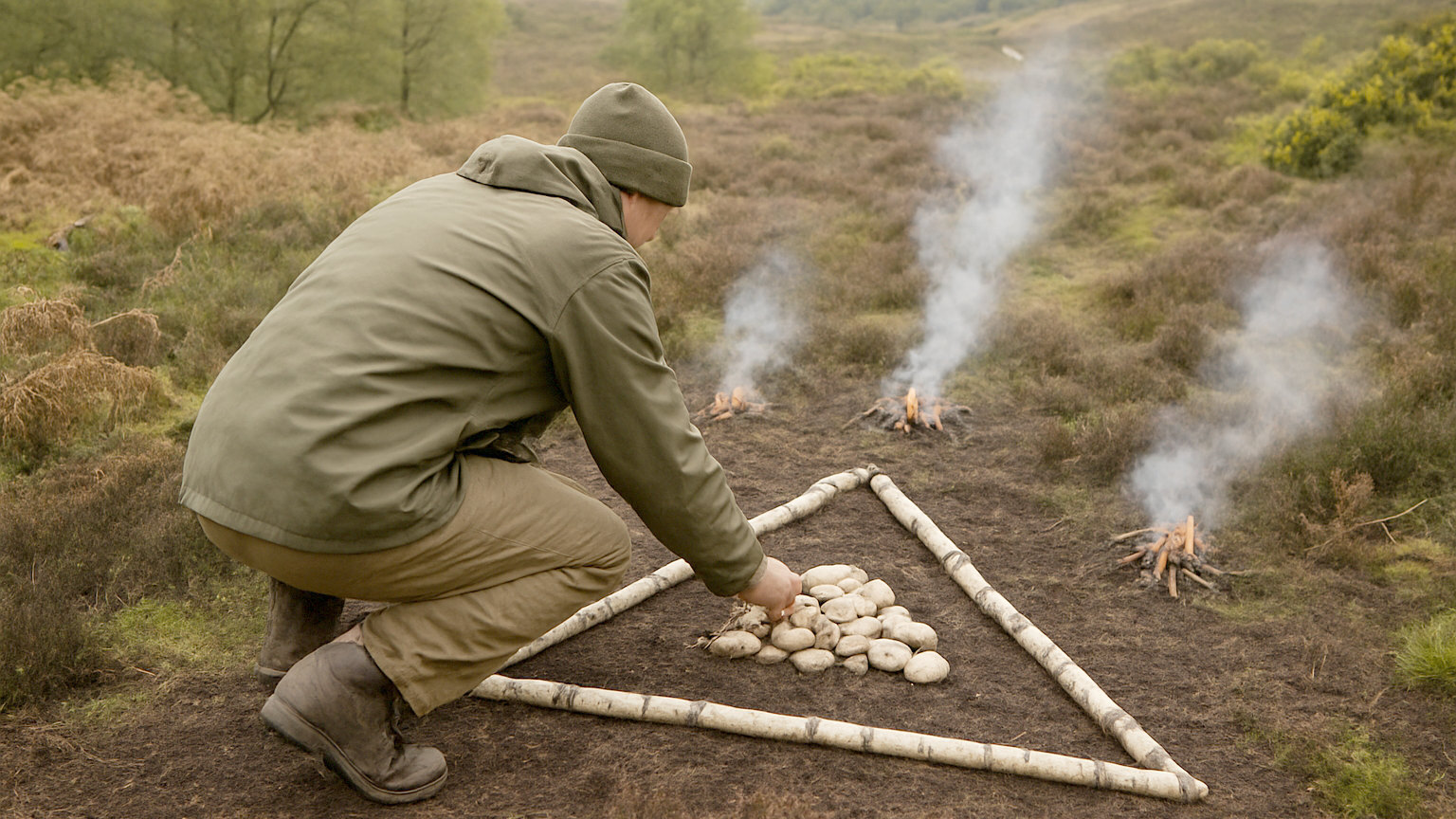
Stay put and leave it on. The beacon needs a clear view of the sky, so position it upright in the open rather than in a pocket or under cover, and do not move away from it. The first satellite pass may take a few minutes and the coordination centre will attempt to contact your registered contacts to verify. Meanwhile prepare secondary signals, get sheltered and stay warm, since the response may still take hours in poor weather.
What are the limitations?
It is one way. You cannot tell anyone what has happened, how many people are involved or what help is needed, and you receive no confirmation that the signal was received. Some beacons have a return link indicator that confirms acknowledgement, which is worth having. It also does nothing until activated, so it must be carried on your person rather than in a pack you might become separated from.
How does it compare with a phone?
It is more reliable and less informative. A phone call is better in every respect where there is coverage, since it conveys detail and allows two way discussion. Where there is no coverage, a beacon works and a phone does not. Newer smartphones with satellite emergency messaging narrow this gap considerably, though coverage, subscription terms and battery life all remain constraints that a dedicated beacon avoids.
What happens if you set one off by accident?
Report it immediately rather than hoping nobody noticed. Switch the beacon off and contact the coastguard, who coordinate beacon alerts in the United Kingdom, to explain what happened. False activations occur and are not treated as a crime when reported honestly, whereas an unreported one triggers a full search for someone who is not in danger and diverts resources from a genuine incident. This is another reason registration matters, since it gives the coordination centre a number to call.
Register it, carry it on your body, and reserve activation for genuine danger to life.