Two categories of device summon help from places with no mobile coverage, and they work differently enough that the choice genuinely matters. A third option, satellite messaging built into recent smartphones, has begun to blur the distinction.
What is the fundamental difference?
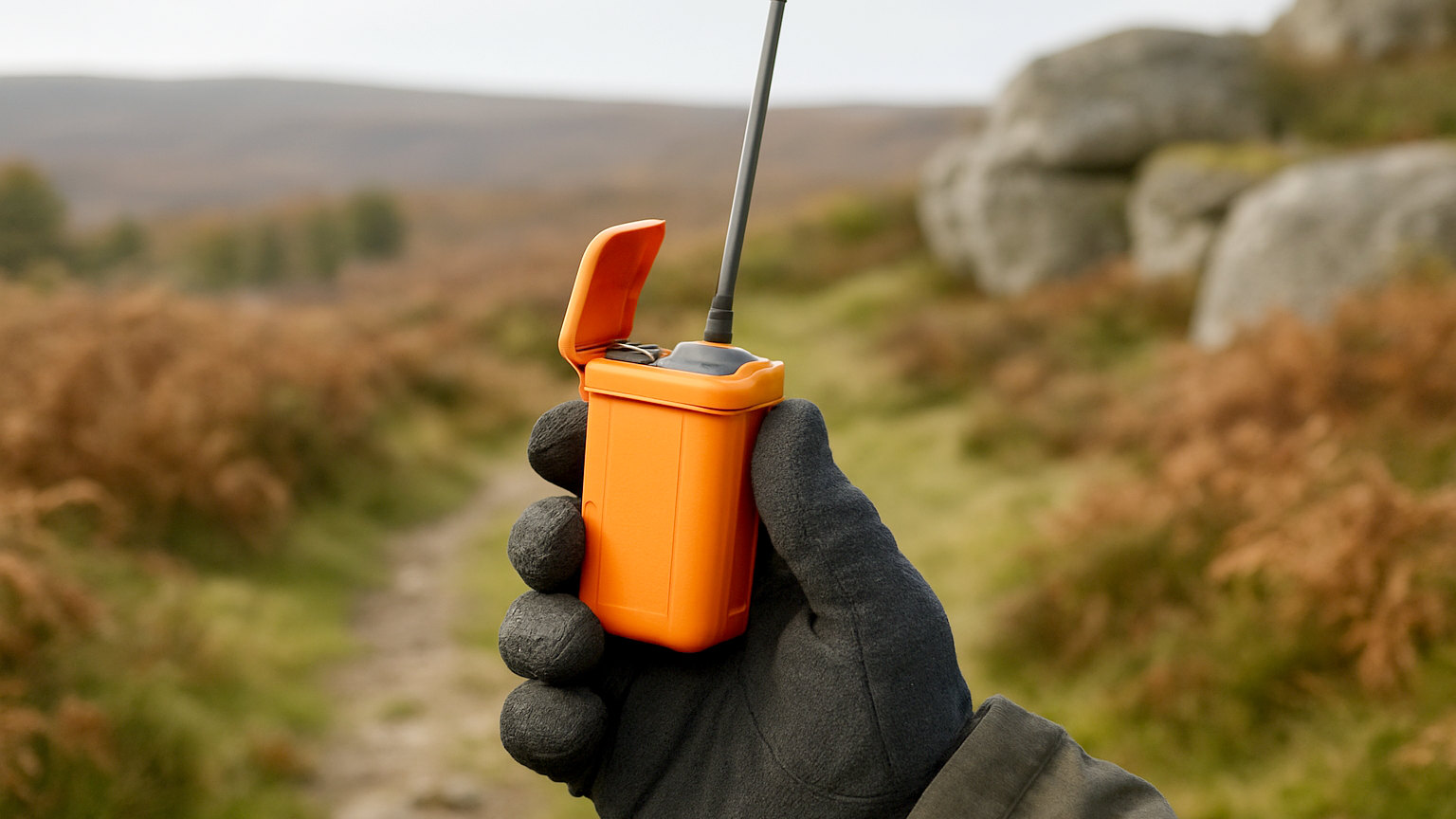
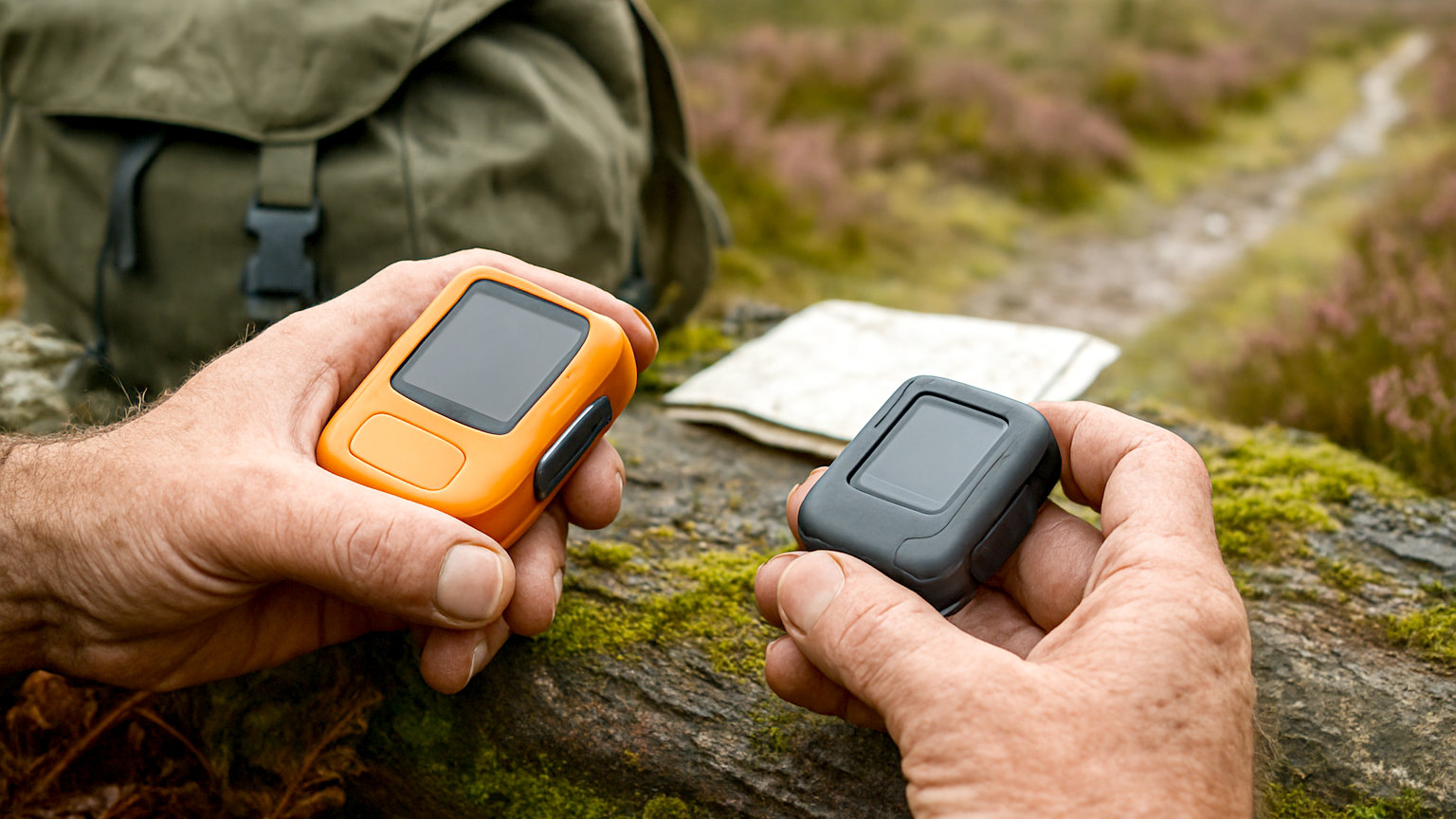
A personal locator beacon is a one way distress transmitter using a government run international satellite system, with no subscription and no messaging. A satellite messenger is a two way communication device using a commercial satellite network, requiring a subscription, which can summon help and also exchange text messages with rescuers and family. One is a simpler alarm, the other is a communication tool.
Why does two way communication matter?
Because it changes the response. With a beacon, the coordination centre knows someone has activated and where they are, and nothing else. With a messenger, you can say that one person has a broken leg, that there are four in the party, that you are sheltered and stable, and that the weather is closing in. That information determines whether a helicopter or a ground team is sent and how urgently. You also receive confirmation that help is coming, which matters more psychologically than people expect.
- Beacons: no subscription, very long battery life, one way only
- Beacons: government satellite system, no commercial dependency
- Messengers: two way text, tracking, confirmation of receipt
- Messengers: monthly or annual subscription required
- Messengers: rechargeable, needing power management on long trips
- Phone satellite SOS: convenient, tied to device and coverage terms
Where does the beacon win?
On reliability and simplicity. There is no subscription to lapse, no account to maintain and no commercial network that could change terms or fail. Battery life is measured in years of standby rather than days of use, and the device sits in a pocket doing nothing until needed. For someone who wants a device they can forget about for five years and trust absolutely, that is a strong argument.
Where does the messenger win?
On usefulness before and during an incident. Tracking lets family follow your progress. Routine messages allow you to say you are running late rather than triggering a call out, which prevents a meaningful number of unnecessary searches. In an incident, two way contact allows the response to be proportionate. For expeditions, remote work and long solo trips, that ongoing utility usually outweighs the subscription cost.
What about satellite SOS on a phone?
Genuinely useful and not yet a full replacement. Recent smartphones can send emergency messages via satellite in supported regions, which is a substantial advance and covers many people at no extra cost. The limitations are that it depends on your phone battery, which is also running everything else, that coverage and terms vary by manufacturer and country, and that a phone is more fragile and more easily lost than a dedicated device. Treat it as a valuable addition rather than a reason to carry nothing else.
Which should most people buy?
For UK hill walking, most people need neither, since mobile coverage combined with registered emergency SMS covers the great majority of situations. For remote areas, solo travel, expeditions abroad, sea kayaking and mountaineering, one of the two is worth having. Choose a beacon if you want maximum simplicity and reliability, and a messenger if two way contact and tracking are worth a subscription.
What matters whichever you choose?
Registration, carriage and knowing how to use it. An unregistered beacon slows the response substantially. A device in a rucksack you become separated from is useless, so carry it on your body. And practise the activation sequence, because fumbling with a cover or a two step process while injured and cold is a genuine failure mode.
Does insurance or travel affect the choice?
It can, and it is worth checking before a trip abroad. Some expedition and mountaineering insurance policies require a means of emergency communication, and a few specify what qualifies. Rescue in Britain is free, whereas in parts of Europe, North America and elsewhere it is charged and can be extremely expensive, which makes both the insurance and the device more than a convenience. Check that your policy covers the activity, the altitude and the region before relying on either.
Register it, carry it on you, and choose the messenger if two way contact matters and the beacon if absolute simplicity does.