The arrival of a helicopter is the point at which a rescue can go wrong through simple mistakes. The rotor downwash is far stronger than people anticipate and the aircraft is genuinely dangerous to be near.
What should you do before it arrives?
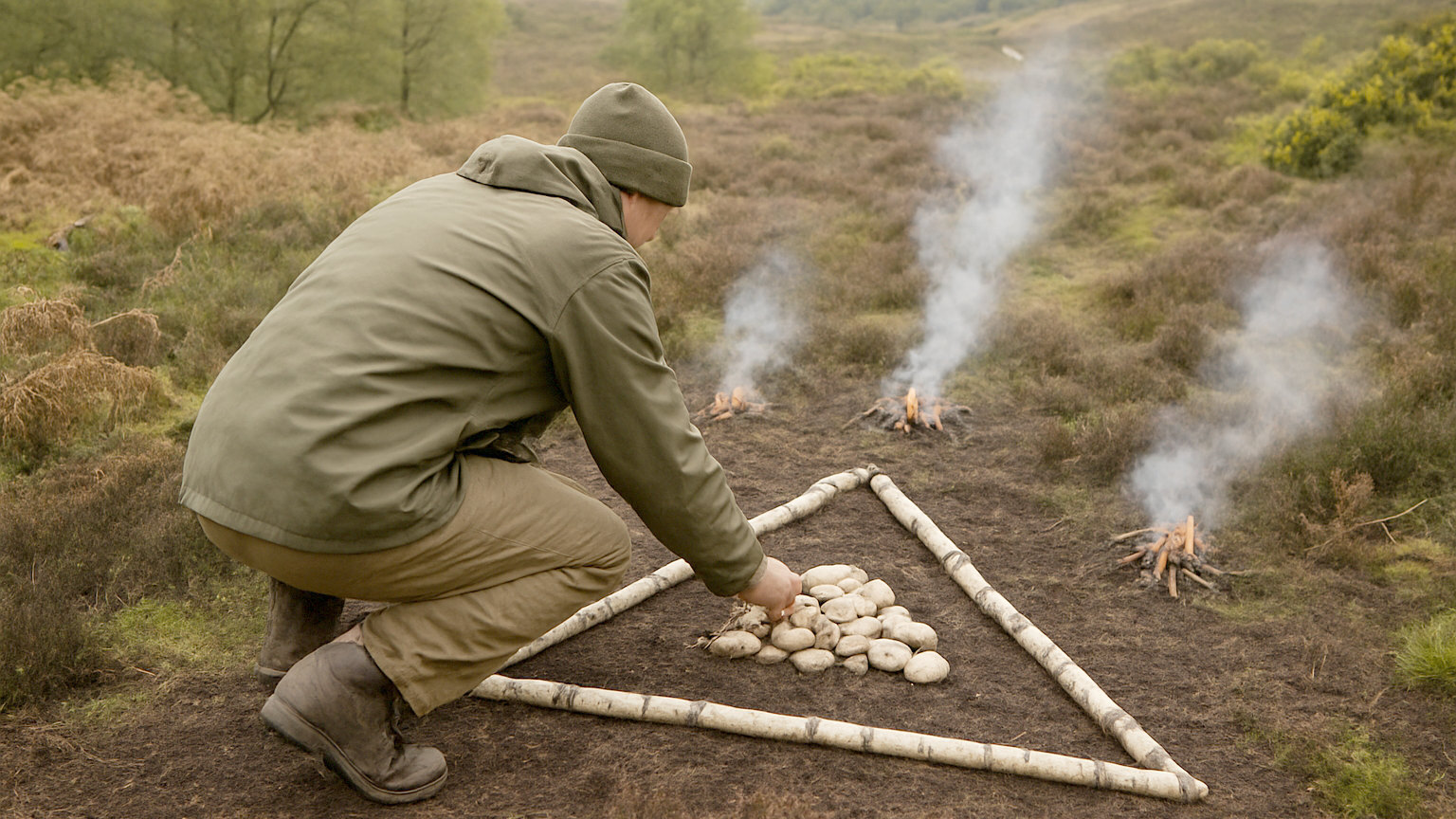
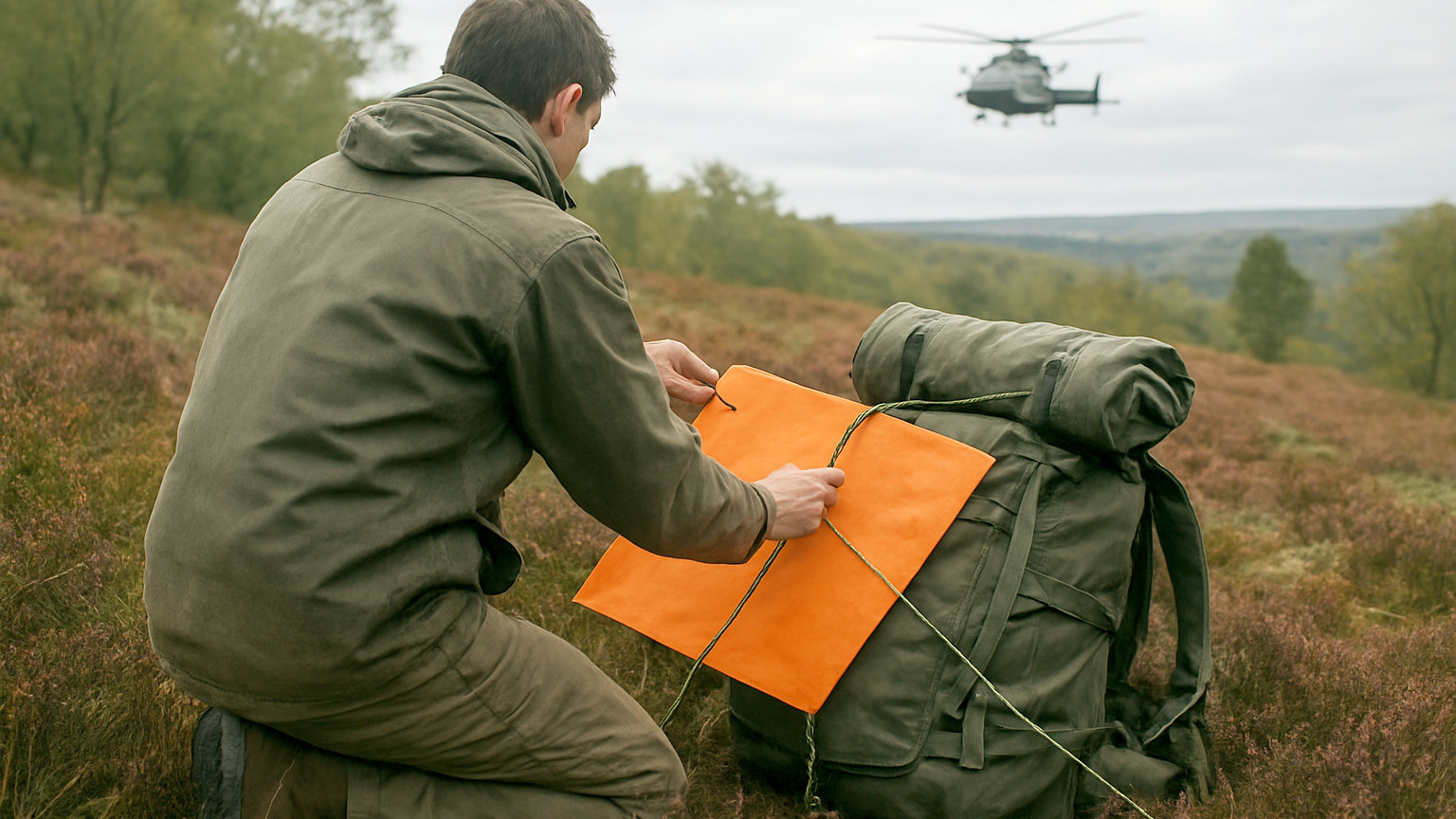
Secure everything. Downwash from a search and rescue helicopter can exceed gale force at ground level and will lift rucksacks, sleeping mats, foil blankets, tents and loose clothing into the air, where they can strike people or be ingested by the rotor. Pack everything away, weight down anything that must stay out, and stow markers you laid earlier once the crew has clearly seen you.
How should you signal them?
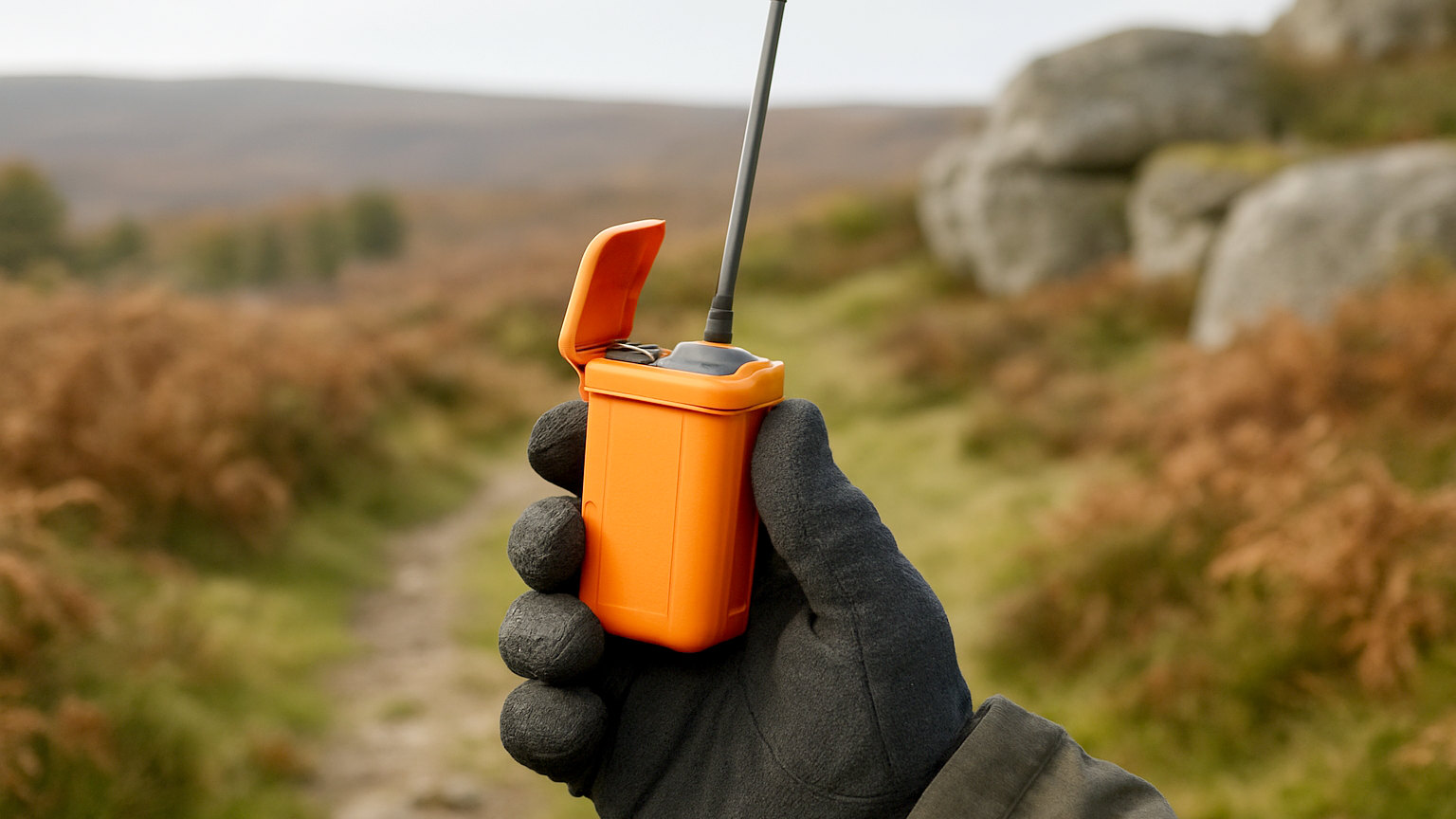
With a light, a mirror or something large and bright, and then stop when acknowledged. Do not shine a torch directly at the cockpit at night, since it can dazzle the crew, particularly if they are using night vision equipment. Aim slightly to one side or illuminate the ground around you instead. Once they have clearly seen you, a raised arm or a steady position is enough.
- Secure or stow all loose equipment before arrival
- Protect your eyes and turn your back to flying debris
- Stay put and wait to be approached rather than approaching
- Never approach from the rear, where the tail rotor is
- Approach from the front only, in view of the pilot, and crouch
- Carry nothing above shoulder height
Should you approach the aircraft?
No, unless a crew member specifically signals you to. Wait for them to come to you. Winch operations frequently mean the aircraft does not land at all and a crew member is lowered. If you are directed toward a landed aircraft, approach from the front where the pilot can see you, keep low, and never go near the tail, where the tail rotor is close to invisible when spinning and has killed people.
What about the winch line?
Never grab it before it touches the ground. A winch line can carry a substantial static charge that discharges on contact, and taking hold of it in mid air can produce a serious shock. Let it earth itself first. Follow the crew instructions exactly and without improvising, since they are working to a tightly choreographed procedure in difficult conditions.
How do you choose a landing site?
Flat, firm, clear ground of a good size, free of loose debris, and away from wires, poles, fences, trees and livestock. Overhead power lines are the hazard crews most need warned about, so mention any you know of when you call. If you can indicate wind direction, by holding up something light or simply standing with your back to the wind and arms outstretched, that is genuinely useful, since aircraft prefer to approach into wind.
What should you tell the crew?
Number of casualties, what happened, injuries, and anything they cannot see, such as another person further down a slope or a hazard nearby. Keep it short and factual, since conditions are noisy and time matters. Have any medication or medical information ready. If someone in the party is staying behind, make sure the crew know how many people are where.
What if they fly away?
It rarely means they have not seen you. Aircraft leave to refuel, to reposition, to drop a team on better ground, or because conditions temporarily prevent a winch. Stay where you are, keep sheltered and warm, and keep your signals ready. Moving away after an aircraft has located you is one of the more frustrating things that can happen from the rescue side.
What if you are the one who called it?
Stay available and keep the phone on. Rescue crews frequently ring back while airborne to confirm the location, ask what they should look for, or ask you to signal at a specific moment. A phone switched off to save battery at that point is a genuine obstacle, so use low power mode instead. Have your grid reference ready to repeat, describe what you are wearing and what markings you have laid out, and mention any hazard you know of such as overhead cables.
Secure everything, stay put, protect your eyes, and let the crew come to you rather than walking toward the aircraft.