Foraging has grown rapidly in popularity, and popular sites near towns and cities now show clear signs of pressure. The habits that prevent this are simple and cost the forager very little.
How much should you take?
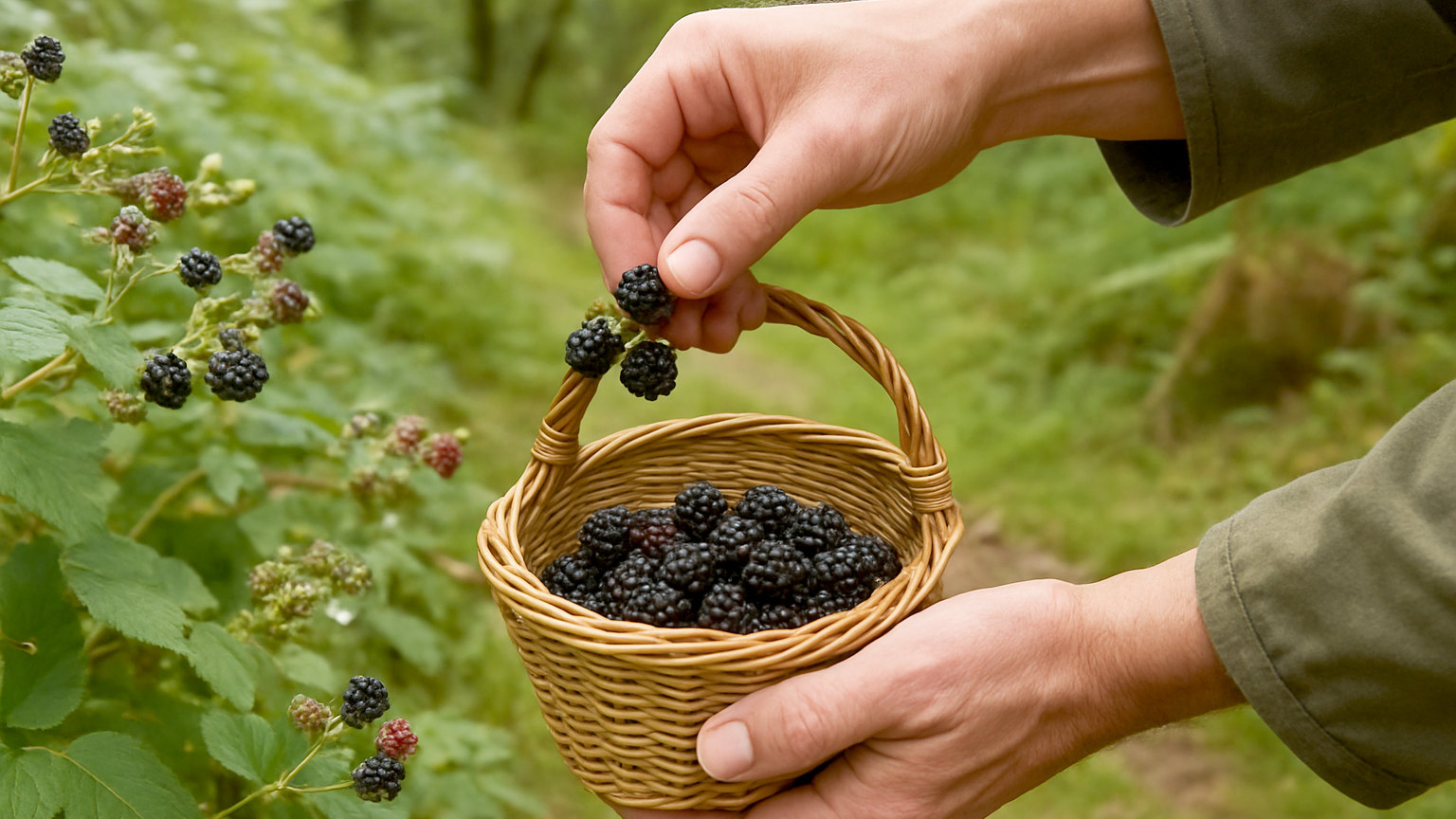
The common guidance is no more than a third from any patch, and less for anything scarce or slow growing. A more useful test is whether someone arriving after you would be able to tell you had been there. Take a little from many plants rather than stripping any single one, and take only what you will actually use, since gathered wild food spoils quickly and a bag left to rot in a fridge helps nobody.
Which species are most vulnerable?
Slow spreading woodland plants and anything with a restricted range. Ramsons colonies take years to recover from heavy stripping. Wild leeks, sea kale and several coastal species are genuinely scarce. Slow growing fungi and those forming long lived underground networks are affected by trampling and repeated collection of every fruiting body. Common hedgerow species such as blackberries, nettles and elder are robust and can take considerably more.
- Take no more than a third, and much less from scarce species
- Pick from many plants rather than stripping one
- Never uproot, which is both damaging and generally unlawful
- Leave enough fruit for birds and mammals through winter
- Stay on paths where possible and avoid trampling
- Do not publicise the precise location of scarce species
Who else is relying on it?
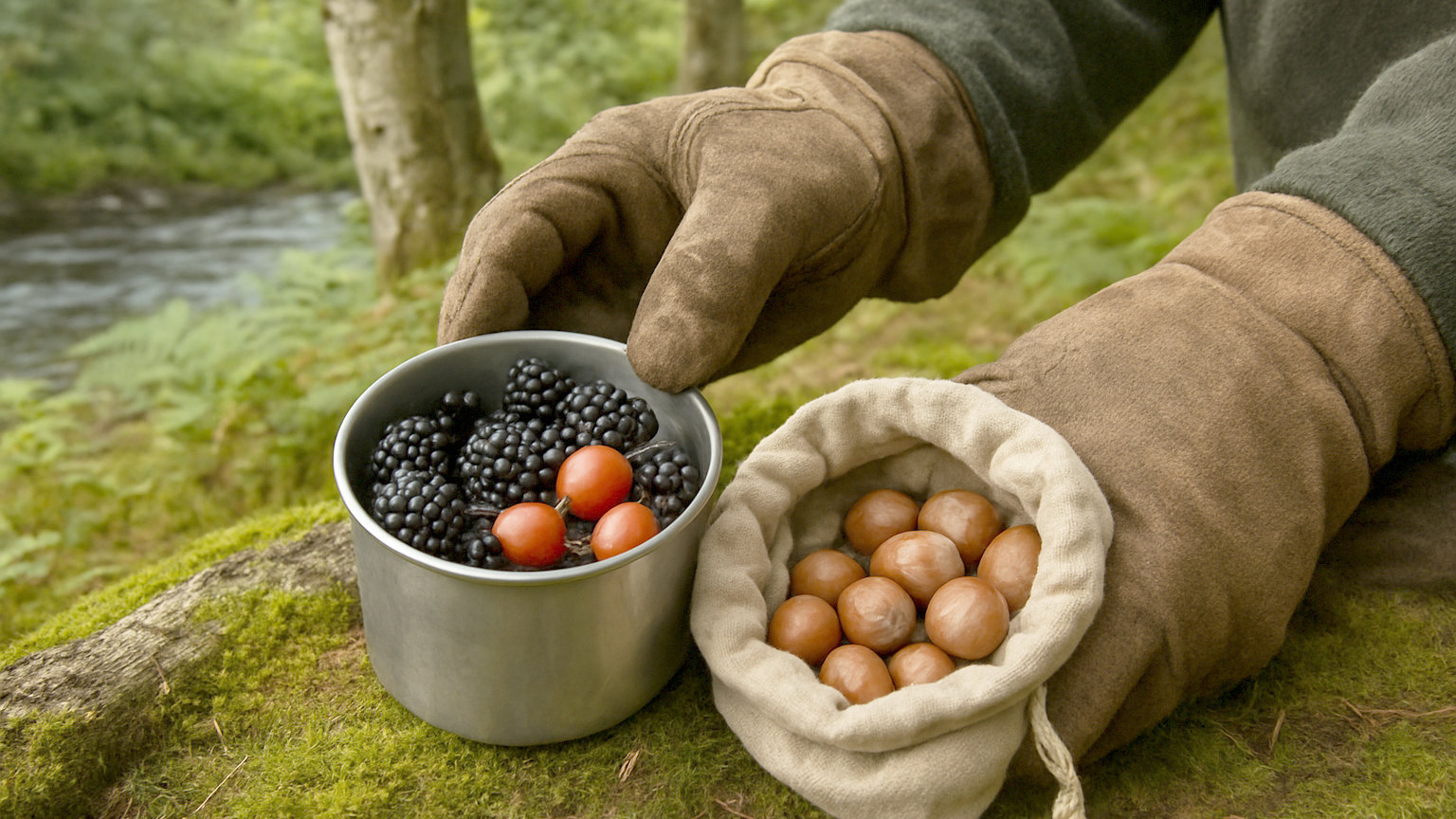
A great deal of wildlife. Autumn berries and nuts are the food that carries birds and small mammals through winter, and haws, rowan, hips and hazelnuts are all significant. Stripping a hedgerow in September removes food from animals with no alternative supply. Take a proportion, leave the rest, and prefer picking from abundant patches over the last few berries on an isolated bush.
Does trampling matter more than picking?
Frequently, yes. Repeated foot traffic through a woodland floor compacts soil, damages fungal networks and crushes seedlings, and a popular foraging site can suffer more from footfall than from what is removed. Stay on paths where possible, spread out rather than following the same line, and be particularly careful in spring when woodland flowers are emerging.
What about cutting fungi versus pulling them?
The evidence suggests it matters less than long assumed. Studies have found little difference in future fruiting between cutting and lifting, and the underground network is unaffected by either. What does matter is trampling, and taking every fruiting body from a site rather than leaving some to release spores. Lifting whole specimens remains preferable for identification, since the base carries features distinguishing dangerous species.
How do you handle popular sites?
By going elsewhere. The most damaged sites are those close to cities and those that have been publicised, particularly on social media. Spreading your collecting across many locations, favouring abundant common species, and avoiding known pressure points does more good than careful technique at a site already being stripped. Sharing precise locations of scarce species online reliably leads to their disappearance.
What is the underlying principle?
Forage as though you intend to return every year for the rest of your life, because the person most affected by depleting a patch is the person who knows where it is. This framing settles most individual decisions without needing a rule, and it aligns the forager interest with the habitat interest, which is generally where good practice comes from.
Should you forage in urban areas?
Often yes, and with a different set of checks. Urban hedgerows, parks and waste ground can be productive and are usually under less collecting pressure than well known rural sites. The considerations shift to contamination rather than conservation: avoid road verges where vehicle pollution accumulates, avoid sprayed areas such as fence lines and path edges in managed parks, and pick above dog height. Council parks departments can usually say whether an area is treated with herbicide.
Take modestly, never uproot, mind your feet as much as your hands, and leave the place able to feed you again next year.