Survival literature, much of it American, treats trapping as a routine skill. In Britain the legal position is far more restrictive, has tightened significantly in recent years, and makes most of what those manuals describe unlawful. This is general information and not legal advice.
What is the current position on snares?
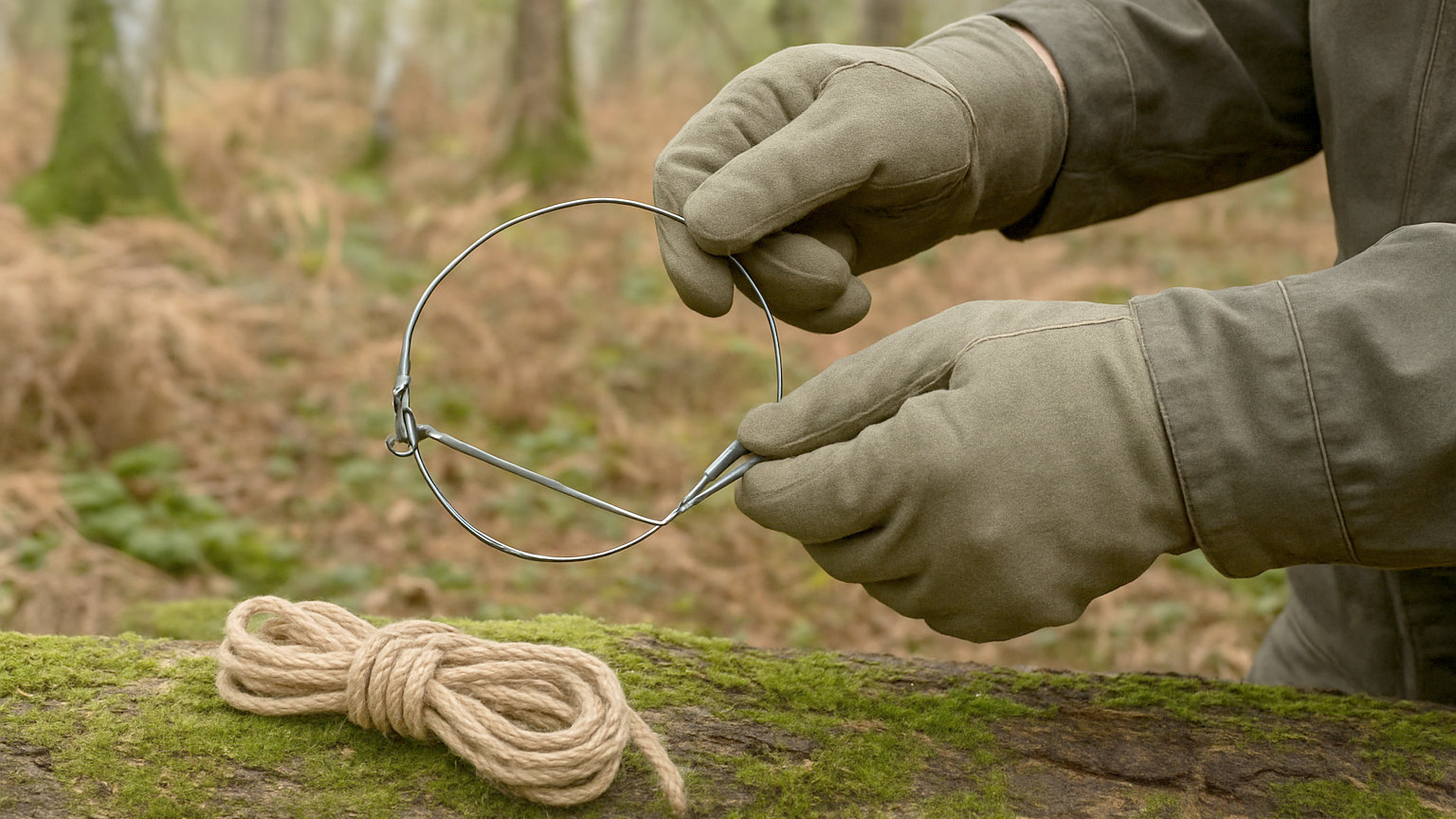
Considerably stricter than it was. Wales prohibited the use of snares through the Agriculture (Wales) Act 2023, and Scotland did the same under wildlife management legislation passed in 2024. England retains a more limited permission subject to conditions and codes of practice, and the position there has been subject to ongoing review. Self locking snares have been illegal across Great Britain since the Wildlife and Countryside Act 1981. Anyone considering this must check the current law for their nation, since it has changed recently and may change again.
What other legislation applies?
Several overlapping statutes. The Wildlife and Countryside Act 1981 protects a long list of species and restricts methods of taking others. The Wild Mammals (Protection) Act 1996 makes it an offence to cause unnecessary suffering to any wild mammal. The Animal Welfare Act 2006 applies where animals are under human control. Deer are covered by the Deer Act 1991, including close seasons and permitted methods. Game legislation and the Theft Act cover taking animals from land without the right to do so.
- Snares are banned in Wales and Scotland and restricted in England
- Self locking snares are unlawful across Great Britain
- Causing unnecessary suffering to a wild mammal is an offence
- Many species are protected and may not be taken at all
- Taking animals from land you have no right to be on is poaching
- Freshwater fishing requires a rod licence and usually permission
Does being in an emergency change anything?
Not in any way you should rely on. There is no general survival exemption in British wildlife law. A genuine emergency might influence how a prosecution is approached, and that is a matter for the courts rather than a defence you can plan around. Given how unlikely a prolonged unassisted survival situation is in Britain, building a skill set around unlawful methods makes very little practical sense.
Is trapping actually useful for survival?
Rarely, and this is the more important point. Trapping has a low success rate, requires many traps checked regularly, and delivers little energy relative to the effort of building and monitoring them. Small mammals provide modest calories and almost no fat. Meanwhile food is the lowest survival priority, well behind shelter, water and signalling, and a person in difficulty in Britain will almost always be found or walk out long before food matters.
What about fishing?
Legally clearer and practically more productive. Freshwater fishing in England and Wales requires a rod licence from the Environment Agency, available online for a modest fee, plus the permission of whoever controls the fishing rights. Sea fishing from the shore generally requires no licence, though local byelaws, size limits and closed seasons apply. For anyone wanting a realistic wild food skill involving animals, rod and line fishing is the sensible route.
What can you do lawfully?
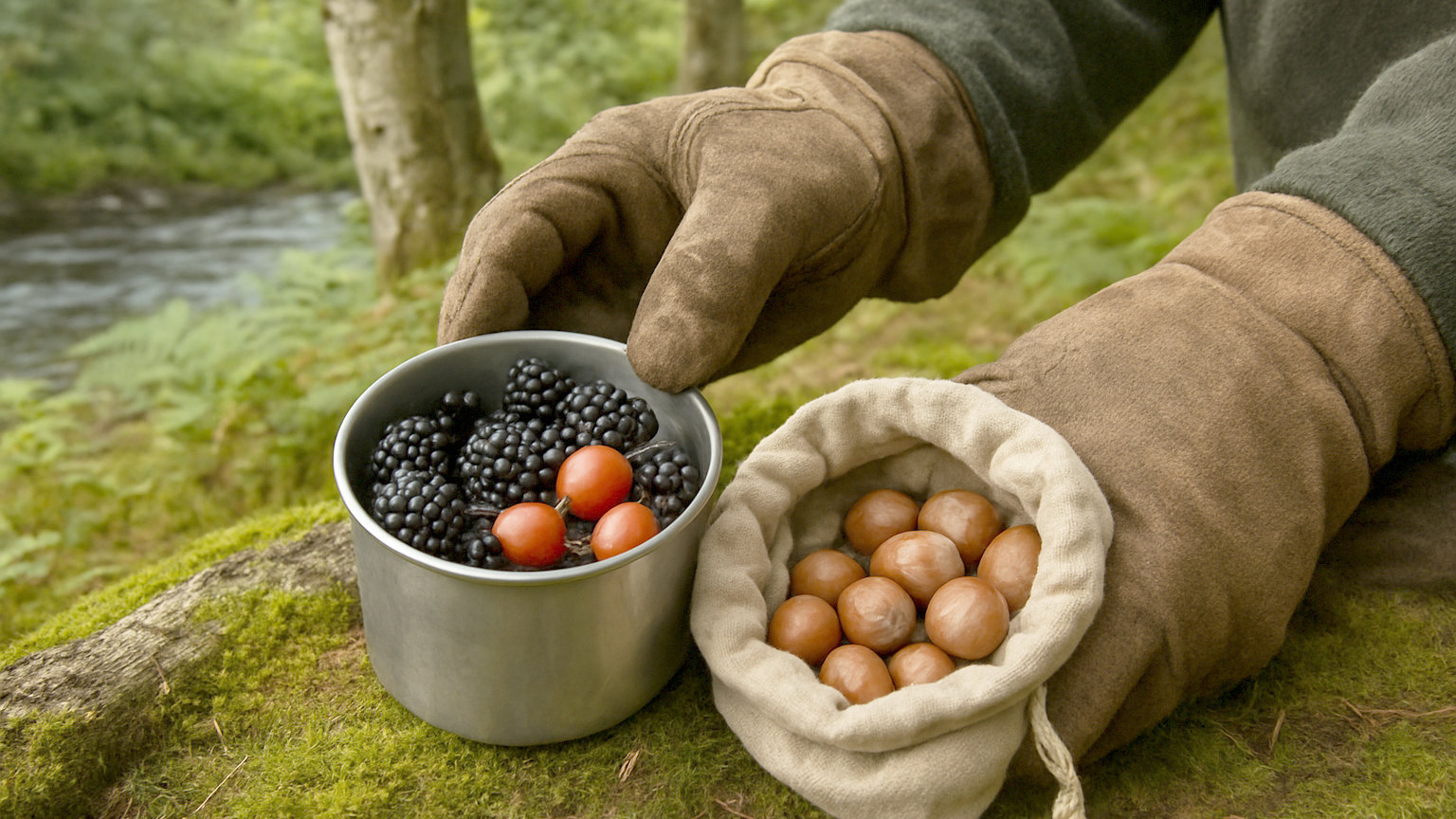
Learn the theory, understand the law, and practise adjacent skills. Understanding animal tracks, signs and behaviour is legal, interesting and genuinely useful for fieldcraft and wildlife watching. Fishing with the correct licence and permission is straightforward. Foraging plants is lawful in most places with permission. Building traps for practice on your own land without setting them for live animals raises no issue.
Where should you check the current position?
Government guidance for your nation, since England, Wales, Scotland and Northern Ireland differ and the law in this area has moved quickly. The relevant environment or rural affairs department publishes current guidance, and local wildlife crime officers can advise. Anything you read in a survival manual, particularly one written abroad or more than a few years ago, should be treated as out of date.
Learn the law before the technique, treat fishing as the practical route to wild protein, and remember that food is the priority that matters least.