The universal edibility test is one of the most widely reproduced pieces of survival advice and one of the least sound. It appears in military manuals, in countless books and across the internet, and following it can kill you.
What does the test involve?
A long sequence: separating the plant into parts, testing for contact reaction on the skin, then on the lip, then the tongue, then chewing without swallowing, then swallowing a small amount and waiting eight hours, then eating a larger quantity and waiting again. The full procedure takes over twenty four hours per plant part and requires abstaining from all other food throughout.
Why does it fail?
Because the deadliest toxins produce no early symptoms at all. Amatoxins, found in the death cap and destroying angel, cause no reaction for six to twenty four hours, by which point irreversible liver damage is already under way. A person following the test to the letter would pass every stage and eat a full portion of a mushroom that will kill them. The test detects irritants and fast acting toxins and is blind to precisely the compounds that matter most.
- Delayed toxins produce no symptoms within the test window
- Cumulative toxins cause harm only after repeated exposure
- It consumes over twenty four hours and considerable water
- It requires fasting, worsening an already poor energy position
- It provides false confidence, which is more dangerous than ignorance
What else is wrong with it?
The cost. Twenty four hours of fasting while testing a single plant part is an appalling use of time and energy in a survival situation, and the test requires water for rinsing at several stages, which may be scarce. Some toxins are cumulative, causing no harm from one small dose but real damage from repeated meals, which the test cannot detect by design. And it does not apply to fungi at all, though people routinely assume it does.
Why does food matter so little anyway?
Because starvation is not the emergency people imagine. A healthy adult can survive weeks without food, while exposure kills in hours and dehydration in days. In almost every realistic survival scenario in Britain, the person will be found, walk out, or be rescued long before food becomes a genuine threat to life. Spending a day testing an unknown plant while cold, wet and short of water is an inversion of the actual priorities.
What should you do instead?
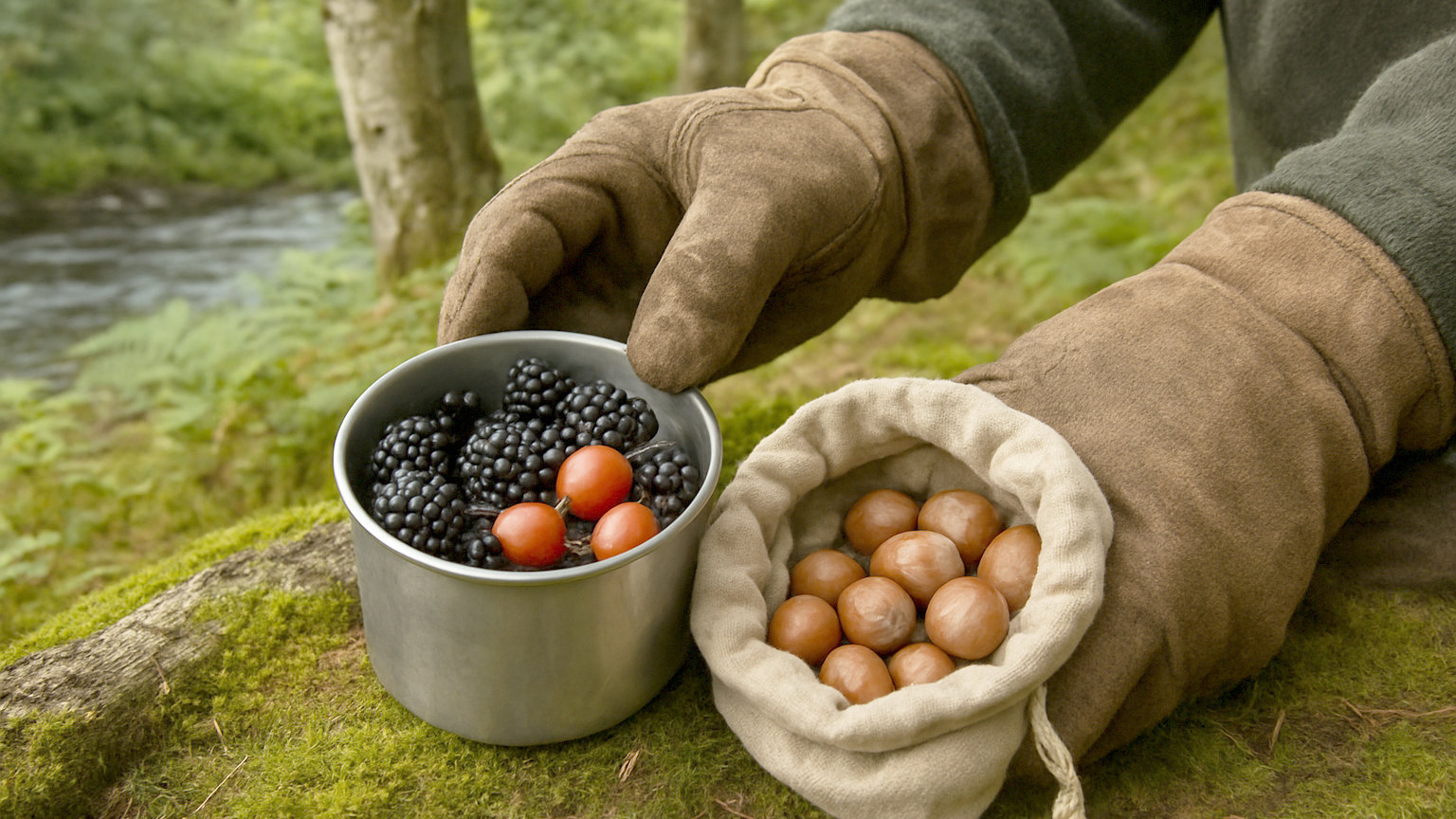
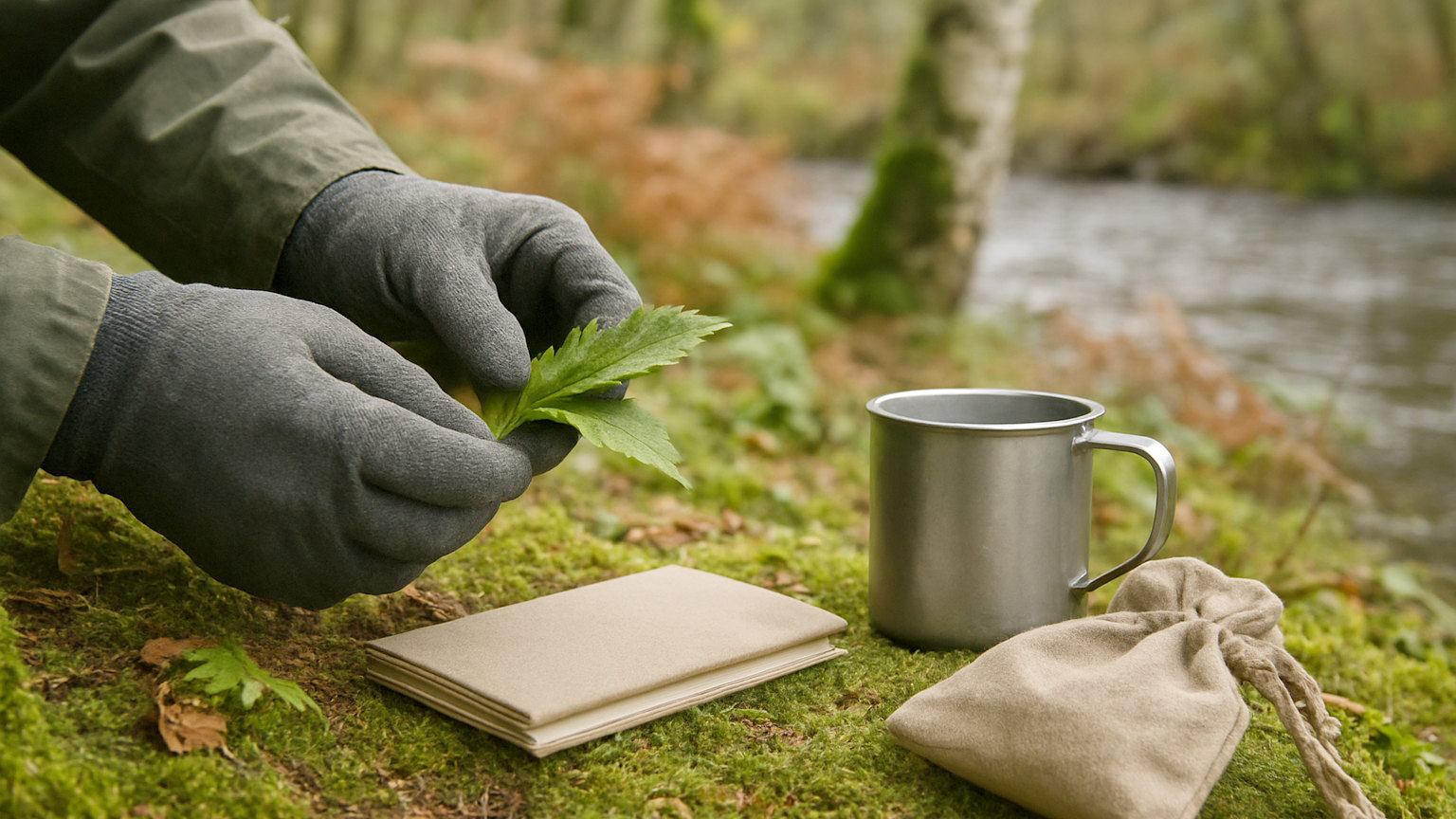
Eat only what you can positively identify, and accept hunger otherwise. A small confident list learned in advance is worth more than any field test. Blackberries, nettles, dandelion, rosehips and hazelnuts are widespread, unmistakable and have no dangerous lookalikes. Learning half a dozen such species before you go is achievable in an afternoon and provides genuine capability, whereas the edibility test provides only the appearance of it.
Is there any situation where it makes sense?
Almost none in Britain or anywhere with a functioning rescue system. In a genuinely prolonged unassisted survival situation in unfamiliar terrain, the calculation shifts slightly, and even then the sensible approach is to prioritise animal protein, which carries far fewer identification risks than plants, and to focus on shelter, water and signalling. The test remains a poor tool wherever it is applied.
Why does it persist?
Because it feels systematic and it has been copied forward from older manuals for decades without reexamination. It offers a procedure where the honest answer is that there is no safe shortcut to identification. That honest answer is unsatisfying, which is precisely why the appealing but unreliable alternative has spread so widely.
What about watching what animals eat?
Another appealing rule that does not hold. Birds eat yew arils and holly berries that would make a person seriously ill, deer browse plants toxic to humans, and squirrels handle fungi that would kill you. Different species metabolise toxins differently, and a compound harmless to one animal can be lethal to another. Observing wildlife tells you about that animal and nothing reliable about your own tolerance, so it belongs with the other folk tests rather than with actual identification.
Learn a handful of species properly, treat food as the lowest survival priority, and ignore the test wherever you encounter it.