The legal position on foraging in Britain is more permissive than many assume and more restricted than most foragers realise. The details turn on a few specific distinctions. This is general information rather than legal advice.
What does the law actually say about picking?
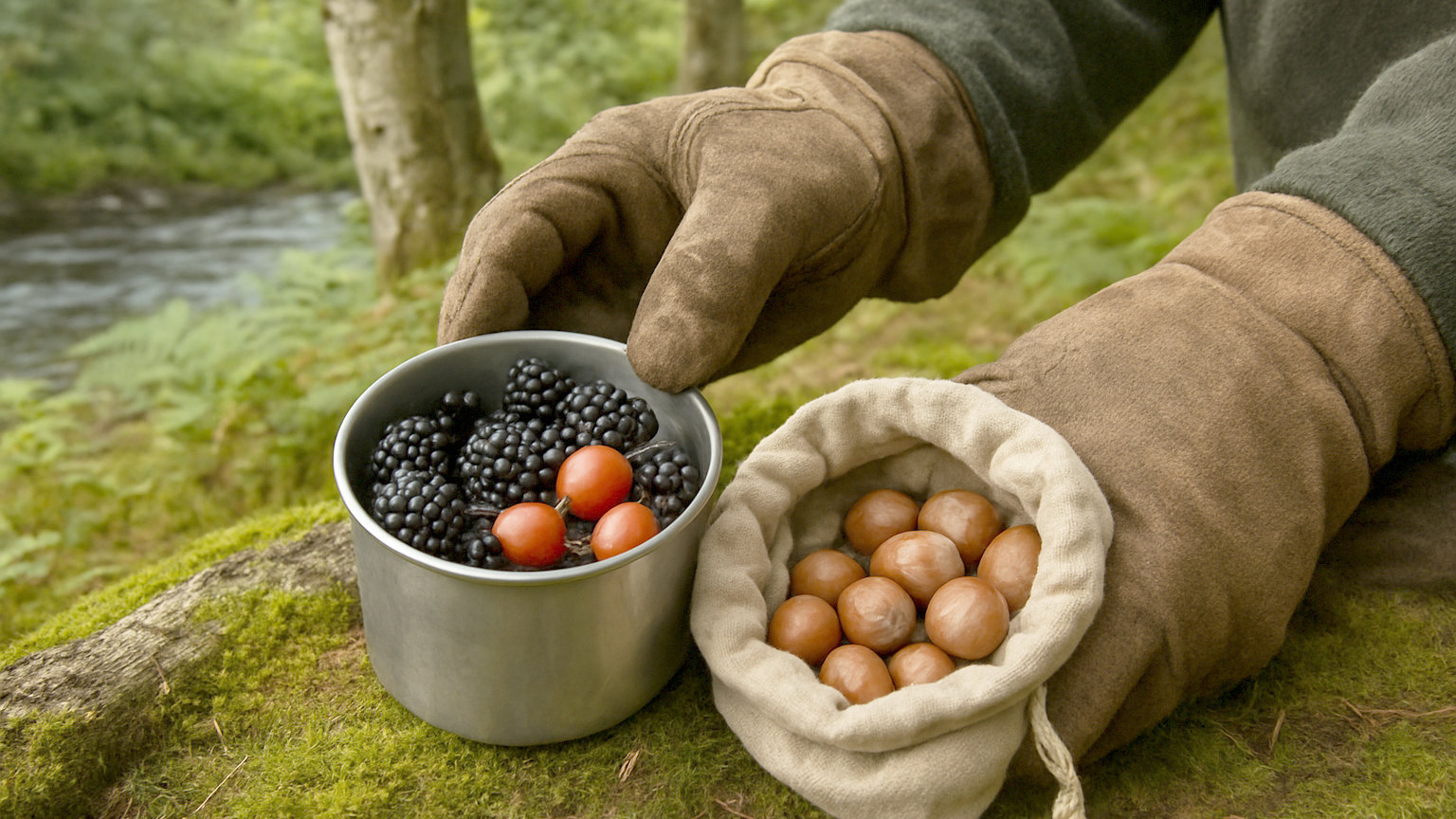
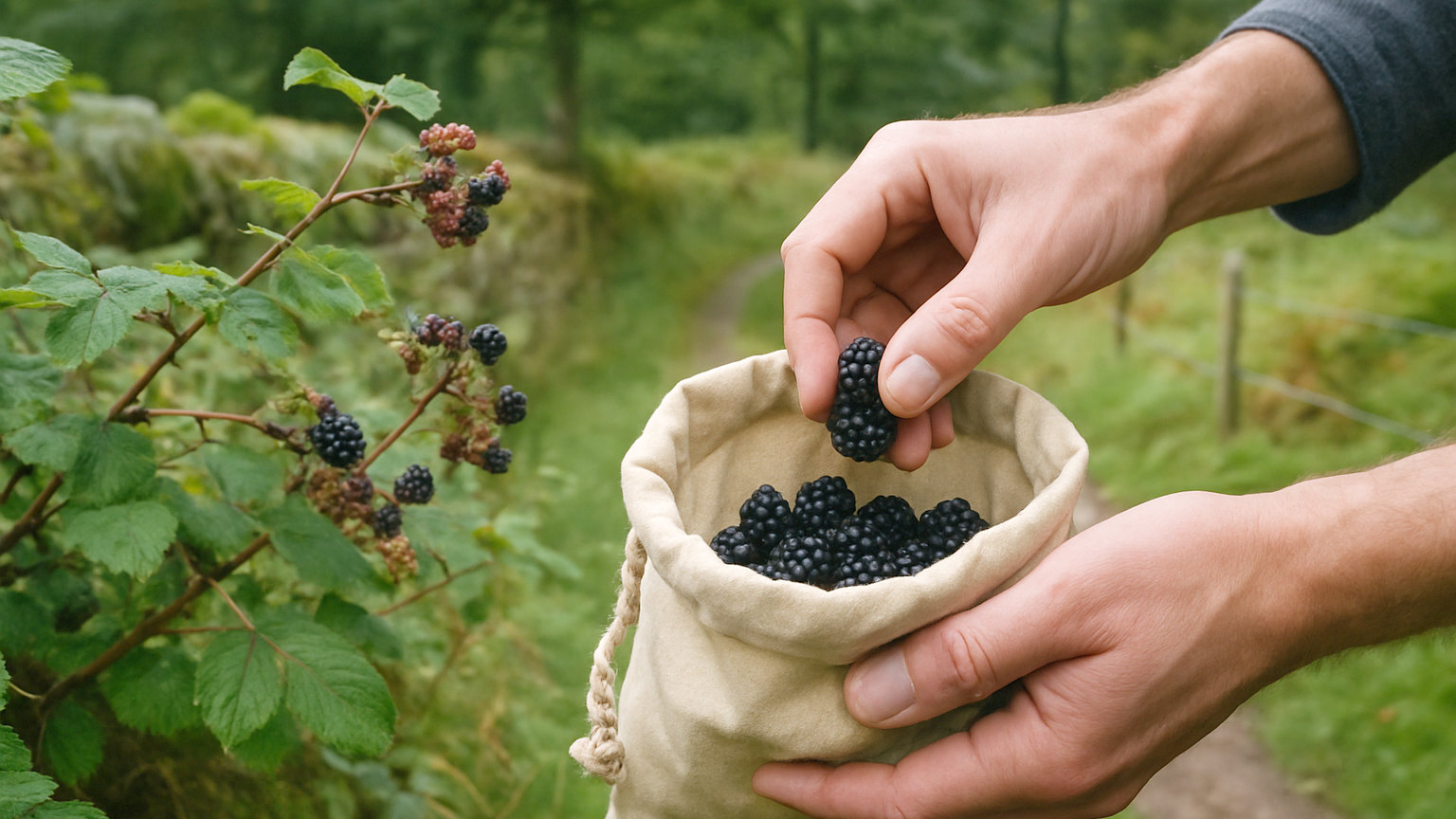
Section 4 of the Theft Act 1968 provides that a person picking mushrooms, flowers, fruit or foliage growing wild on any land does not commit theft, provided it is not for reward, sale or commercial purpose. This is the provision underpinning casual foraging in England and Wales. It concerns theft specifically and does not override other legislation, byelaws or the law of trespass.
What is the difference between picking and uprooting?
A legally significant one. The Wildlife and Countryside Act 1981 makes it an offence to uproot any wild plant without the permission of the landowner or occupier. Uprooting means removing the plant from the ground it is growing in, so taking leaves, fruit or flowers is picking, and digging up a root or bulb is not. This is why wild garlic leaves are generally fine and wild garlic bulbs are not.
- Picking fruit, foliage, flowers and fungi is not theft under the 1968 Act
- Uprooting any wild plant without permission is an offence
- Commercial collection needs the landowner permission
- Access rights permit walking, not harvesting
- Protected sites and reserves may prohibit collection entirely
- Some species are individually protected and must be left alone
Does a right to roam include foraging?
No, and this is a common and consequential misunderstanding. The Countryside and Rights of Way Act grants access on foot to certain open country and registered common land in England and Wales. That right covers walking and associated activities and does not extend to taking anything from the land. Scotland has a broader statutory right of responsible access under the Land Reform Act, and the Scottish Outdoor Access Code addresses foraging, but the same principle applies that access and harvesting are separate questions.
Where is foraging prohibited outright?
Sites of Special Scientific Interest, National Nature Reserves and many local nature reserves have byelaws restricting or banning collection. National Trust land generally prohibits foraging without permission. The New Forest has specific restrictions on fungi collection introduced because of commercial harvesting pressure. Royal Parks, many local authority parks and Ministry of Defence land all carry their own rules. Check locally rather than assuming.
Are any species individually protected?
Yes, and the list is longer than most foragers expect. Schedule 8 of the Wildlife and Countryside Act protects specified plants which may not be picked, uprooted or destroyed at all. Certain fungi are included. Some coastal and upland species that look like reasonable foraging targets are on that list, which is another reason to identify properly before harvesting and to check the schedule if in any doubt.
What about foraging on private land?
Being there without permission is trespass, which is generally a civil matter rather than a criminal one but is still unlawful, and foraging does not create a right to be somewhere. Public footpaths grant a right of passage along the path and not a right to wander into the surrounding land or to harvest from it. Reaching over a hedge from a public path into private land is legally murky and socially unwelcome.
What is the sensible approach?
Ask. Most landowners respond well to a polite request, particularly for small quantities, and a conversation converts an ambiguous position into a clear one. Beyond that, forage modestly, take only for personal use, stay on land where you are entitled to be, and check the rules for any designated site before collecting anything.
Does it change if you sell what you pick?
Substantially. The Theft Act protection applies only to picking that is not for reward, sale or other commercial purpose, so selling foraged produce without the landowner permission removes the exemption entirely. Commercial foraging also brings food safety and traceability obligations, and several sites have introduced restrictions specifically because of commercial harvesting pressure. Anyone considering selling wild produce, including to a local restaurant, needs written permission and should take proper advice first.
Pick rather than uproot, seek permission, avoid protected sites, and the legal position is straightforward for anyone foraging modestly for their own use.