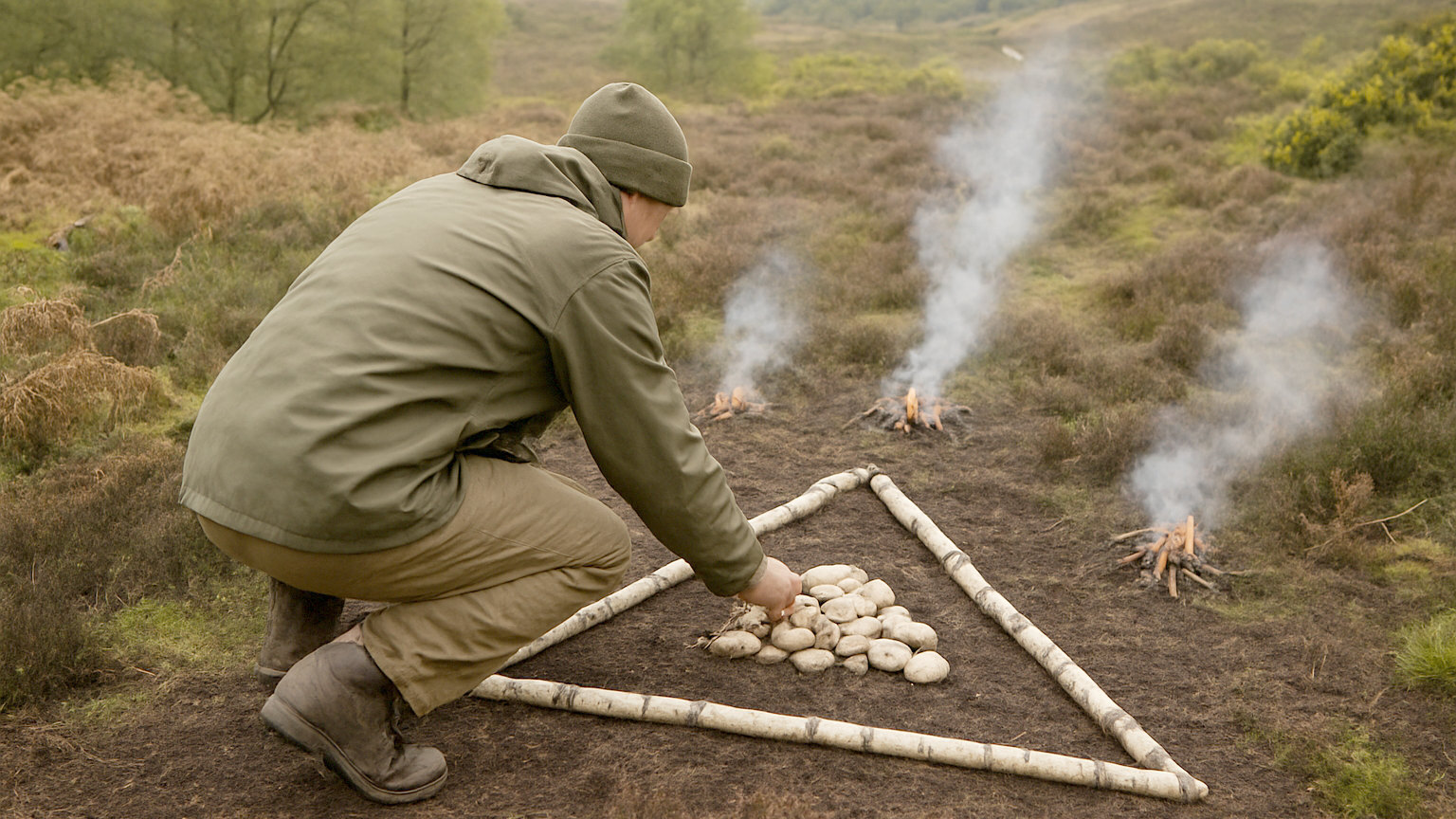
Boiling assumes fuel, a container that tolerates heat and conditions in which a fire is possible. Remove any of those and you need alternatives, all of which work but none of which are quite as forgiving.
How does solar disinfection work?
The method known as SODIS uses ultraviolet radiation from sunlight to inactivate pathogens. Fill a clear plastic bottle of two litres or less with water, lay it on its side in full sun, and leave it for six hours in bright conditions or two full days if it is overcast. Ultraviolet A damages the genetic material of bacteria, viruses and protozoa, and the modest heating adds to the effect. The World Health Organization recognises it as a valid household treatment, and it costs nothing beyond a bottle.
What are the limits of the solar method?
Several, and they matter. The water must be reasonably clear, because ultraviolet cannot penetrate turbidity, so anything cloudy must be filtered or settled first. The bottle must be clear plastic rather than glass or coloured plastic, since most glass blocks ultraviolet A. Bottles larger than two litres are too deep for reliable penetration. Cold overcast British winter conditions make it slow and unreliable, which limits its usefulness here compared with sunnier climates. Laying bottles on a reflective surface such as corrugated metal improves results noticeably.
- Chemical tablets, the lightest and most reliable non thermal option
- Solar disinfection, free but slow and weather dependent
- Hollow fibre filters, fast and effective against protozoa and bacteria
- Ultraviolet pens, quick and thorough but need batteries and clear water
- Improvised sand and charcoal filters, clarify water but do not disinfect
Can you build a filter from natural materials?
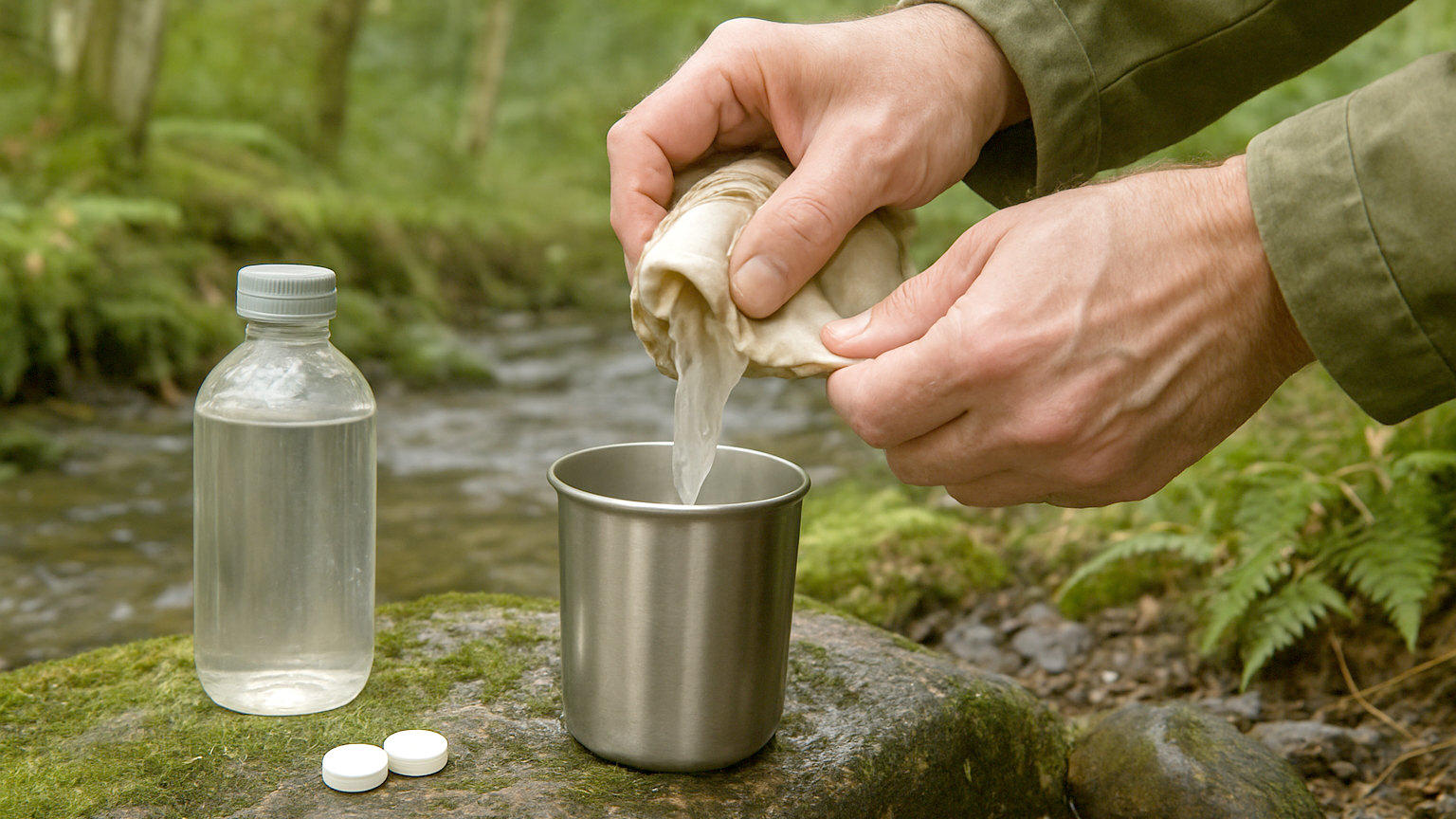
You can build a clarifier, and the distinction matters. Layering gravel, sand and crushed charcoal in a container or an inverted bottle produces water that is visibly clearer and tastes better, because particles and some organic compounds are removed. It does not reliably remove pathogens. Treat an improvised filter as a pre treatment stage that makes chemical or solar disinfection work far better, never as the treatment itself.
How useful is settling and decanting?
More than people expect, as a first stage. Leave silty water undisturbed for several hours and the heavier particles fall out, allowing you to pour off clearer water from the top. This dramatically improves the performance of tablets, ultraviolet pens and solar disinfection, all of which are impaired by turbidity. Adding a small amount of crushed clean chalk or fine clay can help particles clump and settle faster, a technique used in large scale water treatment as flocculation.
What about ultraviolet pens?
They are quick and effective, inactivating bacteria, viruses and protozoa in around ninety seconds per litre. The trade offs are batteries, fragility and the same turbidity limitation as sunlight. A pen with dead batteries is useless, so anyone relying on one should carry spares and a backup treatment. In clear water with working power they are among the fastest options available.
Which should you rely on?
Chemical tablets, for almost everyone. They weigh a few grams, cost very little, keep for years, work in the dark and in the cold, and need no equipment beyond a container. Solar disinfection is a genuinely valuable fallback that requires nothing you would not already have, and improvised filtration makes everything else work better. Combining a rough filter with tablets covers most realistic situations without a fire.
Does freezing kill anything?
Not reliably, which catches people out in winter. Freezing kills some bacteria but leaves giardia and cryptosporidium cysts viable, and viruses survive it comfortably. Melting snow or ice produces water that is no safer than the source it came from, and snow that has lain on ground grazed by animals should be treated exactly like stream water. Melted snow also needs care for a different reason: eating snow directly costs significant body heat to melt it internally, so always melt it in a container first, ideally adding a little liquid water to start the process.
Clarify first, disinfect second, and the absence of fuel stops being the obstacle it initially appears.