Boiling is the oldest and most dependable water treatment there is, and it is also the one most surrounded by folklore. Ten minutes, twenty minutes and boil it twice all circulate widely. The actual figure is considerably shorter, and understanding why makes the guidance easier to apply sensibly.
What is the standard recommendation?
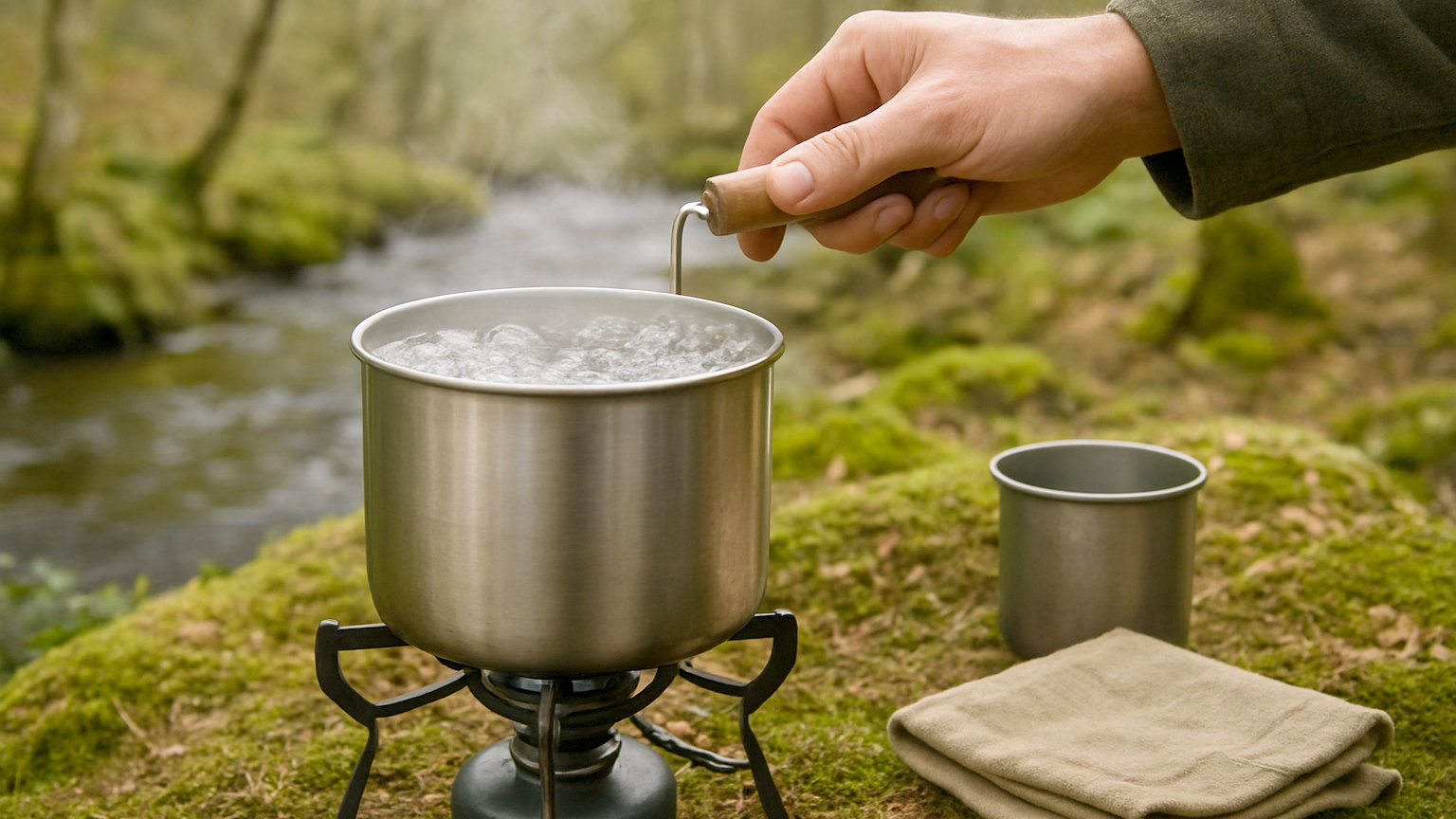
Bring the water to a rolling boil and hold it there for one minute. That is the guidance issued by public health bodies including the World Health Organization and the United States Centers for Disease Control. Above roughly two thousand metres of elevation, extend that to three minutes. A rolling boil means vigorous, continuous bubbling that does not stop when you stir it, not the first few bubbles forming on the base of the pan.
Why is one minute enough?
Because the pathogens are already dead long before the water boils. Heat inactivates bacteria, viruses and protozoa through a combination of temperature and time, a relationship known as pasteurisation. Water held at sixty degrees centigrade for a few minutes kills giardia and cryptosporidium. At seventy degrees, most bacteria and viruses are destroyed within a minute or so. By the time water reaches one hundred degrees, the job is finished. The extra minute exists as a safety margin for uneven heating and for the fact that few people can measure temperature in the field.
Why does altitude change the number?
Water boils at a lower temperature as atmospheric pressure drops, falling roughly one degree for every three hundred metres of elevation. At three thousand metres it boils at about ninety degrees, which is still far above the pasteurisation threshold, so it remains perfectly effective. The extended three minute recommendation is a precaution rather than a necessity, reflecting the reduced margin rather than any real risk of survival at those temperatures.
- Rolling boil for one minute at normal elevation
- Three minutes above roughly two thousand metres
- Filter or settle out silt before boiling for better taste and clarity
- Cover the pan to save fuel and speed the process
- Let it cool covered to avoid recontamination
Does boiling longer make water safer?
No. Once pathogens are dead they cannot become deader, and prolonged boiling only wastes fuel and time. Worse, it concentrates anything that does not evaporate. If the water contains nitrates, heavy metals, lead or agricultural chemicals, boiling reduces the volume of water while leaving the contaminant behind, so the concentration rises. This is the crucial limitation to understand: boiling is a biological treatment only and does nothing whatsoever about chemical pollution.
What about the taste afterwards?
Boiled water tastes flat because dissolved oxygen is driven off during heating. Pouring it back and forth between two containers a few times reintroduces air and restores much of the taste. Letting it cool fully helps as well. If the source was silty, pre filtering through cloth or letting sediment settle before boiling makes a far greater difference to palatability than anything you do afterwards.
How should you store it once boiled?
In a clean, covered container, ideally the one you boiled it in. The most common way people undo their own work is by pouring treated water into the bottle they had been drinking untreated water from, or by touching the neck and rim with unwashed hands. Let it cool with the lid on, avoid dipping cups into the container, and pour rather than decant by immersion. On a boil water notice at home, remember that ice, toothbrushing and washing salad all count as consumption.
What can you boil water in?
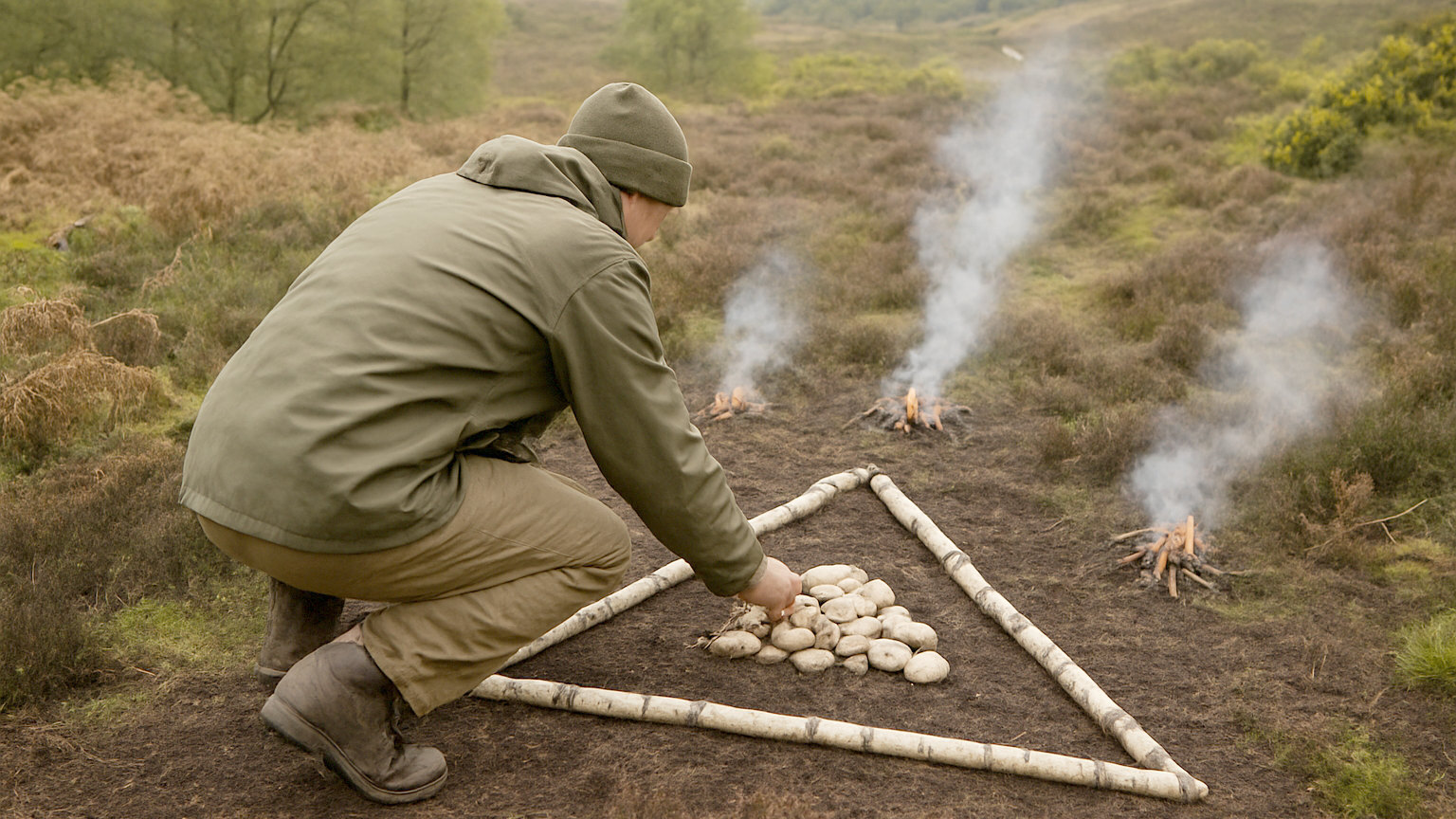
More than people assume. Any metal container works, including a steel bottle, a mess tin, a tin can with the label burnt off, or a foil food tray. Plastic bottles can be used carefully, held just above flame with water inside, because the water keeps the plastic below its melting point, though the result is fragile and worth avoiding if there is any alternative. Where no fireproof vessel exists, rock boiling works well: heat clean dry stones in the fire and drop them into water held in a wooden bowl, a hollow, or even a lined pit. Never use river stones, which can trap moisture and burst violently when heated.
One minute at a genuine rolling boil, three at altitude, and nothing gained by longer. The remaining risk is chemical, and that is a question of choosing a better source.