People spend heavily on sleeping bags and then have cold nights, because the component doing most of the work is underneath them rather than on top.
Why does the mat matter more?
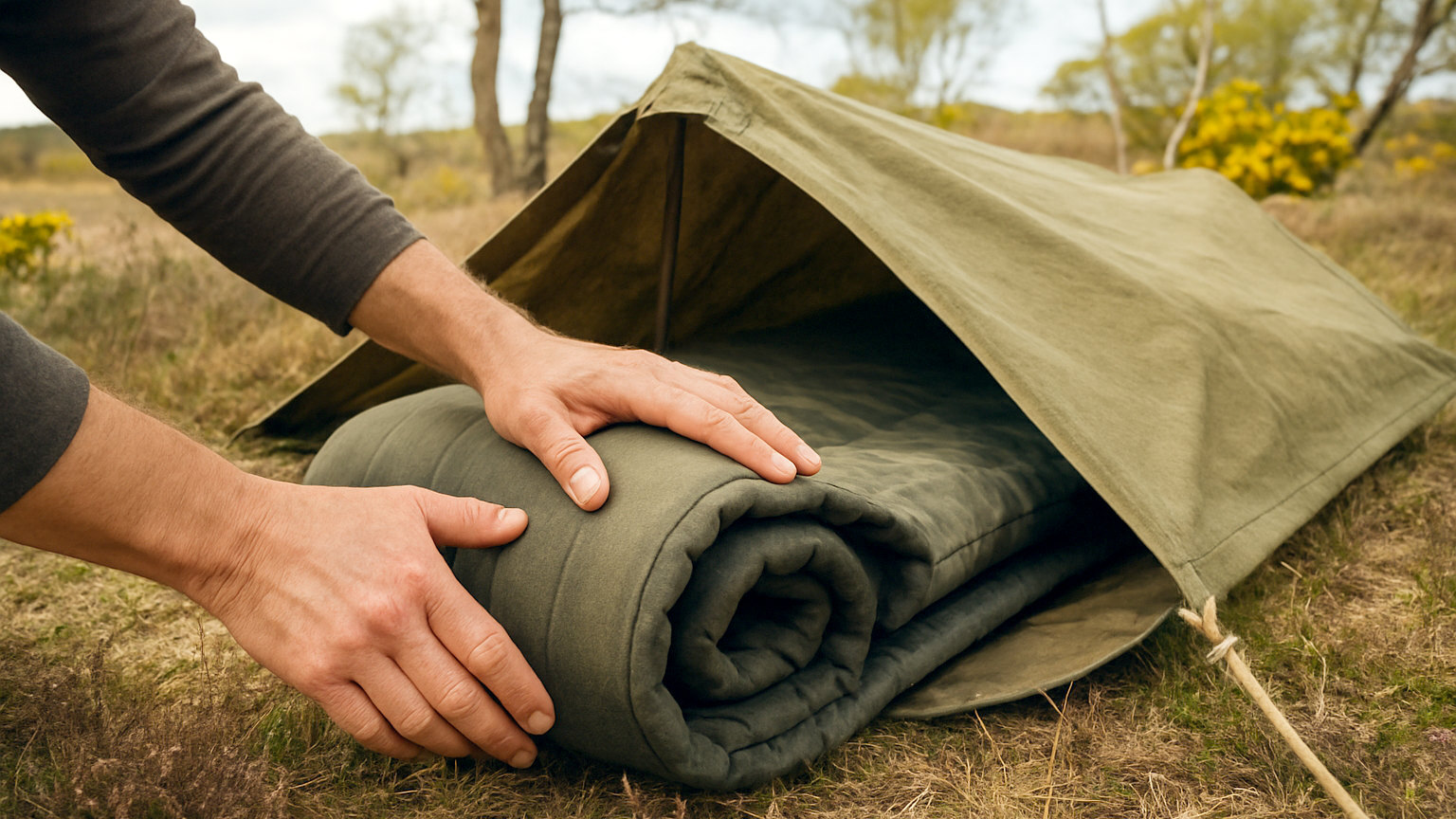
Because conduction into cold ground removes heat far faster than cold air does, and because the insulation in a sleeping bag is compressed flat beneath you and provides almost nothing. Whatever the bag is rated to, the ground is taking heat directly unless something insulating sits between. Most cold nights blamed on a bag are actually a mat problem.
What is R value?
A measure of thermal resistance, now standardised so figures can be compared across manufacturers. Roughly, one to two suits summer, three to four suits three season use, and above five is winter and snow. Values add, so putting a foam mat under an inflatable one gives you the sum of both, which is a cheap way to extend a mat into colder conditions.
- Mat R value determines whether the night is warm
- One to two for summer, three to four for three seasons, five plus for winter
- R values add, so stacking two mats works
- Bag ratings quote comfort, limit and extreme figures
- Use the comfort figure, not the limit or extreme
- Down is warmer for its weight and useless when wet
How do you read a bag rating?
Three numbers are quoted under the European and international test standard: comfort, limit and extreme. Comfort is the temperature at which a standard woman sleeps comfortably. Limit is where a standard man sleeps curled up. Extreme is a survival figure at which hypothermia is a risk, and it is not a usable temperature. Buy on the comfort figure and treat the extreme number as marketing.
Down or synthetic?
Down is lighter, packs smaller, lasts longer and loses essentially all its insulation when wet. Synthetic is heavier and bulkier, retains some warmth when damp and dries faster, and costs less. For British conditions where everything gets damp, synthetic is forgiving. For anyone who can keep a bag dry and wants light weight, down is superior. Hydrophobic down treatments help and do not eliminate the problem.
What else affects how warm you sleep?
A great deal that has nothing to do with the bag. Eating before bed provides fuel for heat production. A hat, since a bare head loses heat. Dry clothing rather than damp. A hot water bottle. Emptying your bladder, since the body spends energy keeping urine warm. Not overfilling the bag with clothing, which compresses the insulation.
What about a bivvy bag?
A waterproof outer for the sleeping bag, which adds wind protection, a few degrees of warmth and the ability to sleep without a tent. Breathable ones cost considerably more and manage condensation better. A basic non breathable bivvy or a survival bag works and leaves you damp with condensation by morning, which is acceptable for a night and unpleasant for several.
How should you store it?
Uncompressed, always. Storing a sleeping bag in its stuff sack permanently damages the loft, which is what provides the insulation, and a bag stored compressed for a year may never fully recover. Keep it in a large cotton or mesh sack, or hung up, in a dry place. This single habit determines whether a bag lasts five years or twenty.
What should you buy first?
The mat, if you are choosing. A good mat with a modest bag outperforms an excellent bag on a thin mat in almost every condition. If money is limited, buy the best mat you can and a synthetic bag rated a little conservatively, then upgrade the bag later.
What about sleeping in an emergency rather than camping?
The priorities compress to insulation from the ground and shelter from wind. Someone benighted without camping equipment is far better served by sitting on a rucksack or a foam mat inside a group shelter than by anything else available, since the ground and the wind are what take the heat. This is why a foam sit mat and a group shelter are disproportionately valuable in a day pack.
Buy the mat first and check its R value, read the comfort rating rather than the extreme, choose synthetic for damp conditions, and store the bag uncompressed.