A considerable amount of equipment is sold on the strength of a scenario that does not happen to British walkers. Recognising the pattern saves money and pack weight.
What is wrong with tinned survival kits?
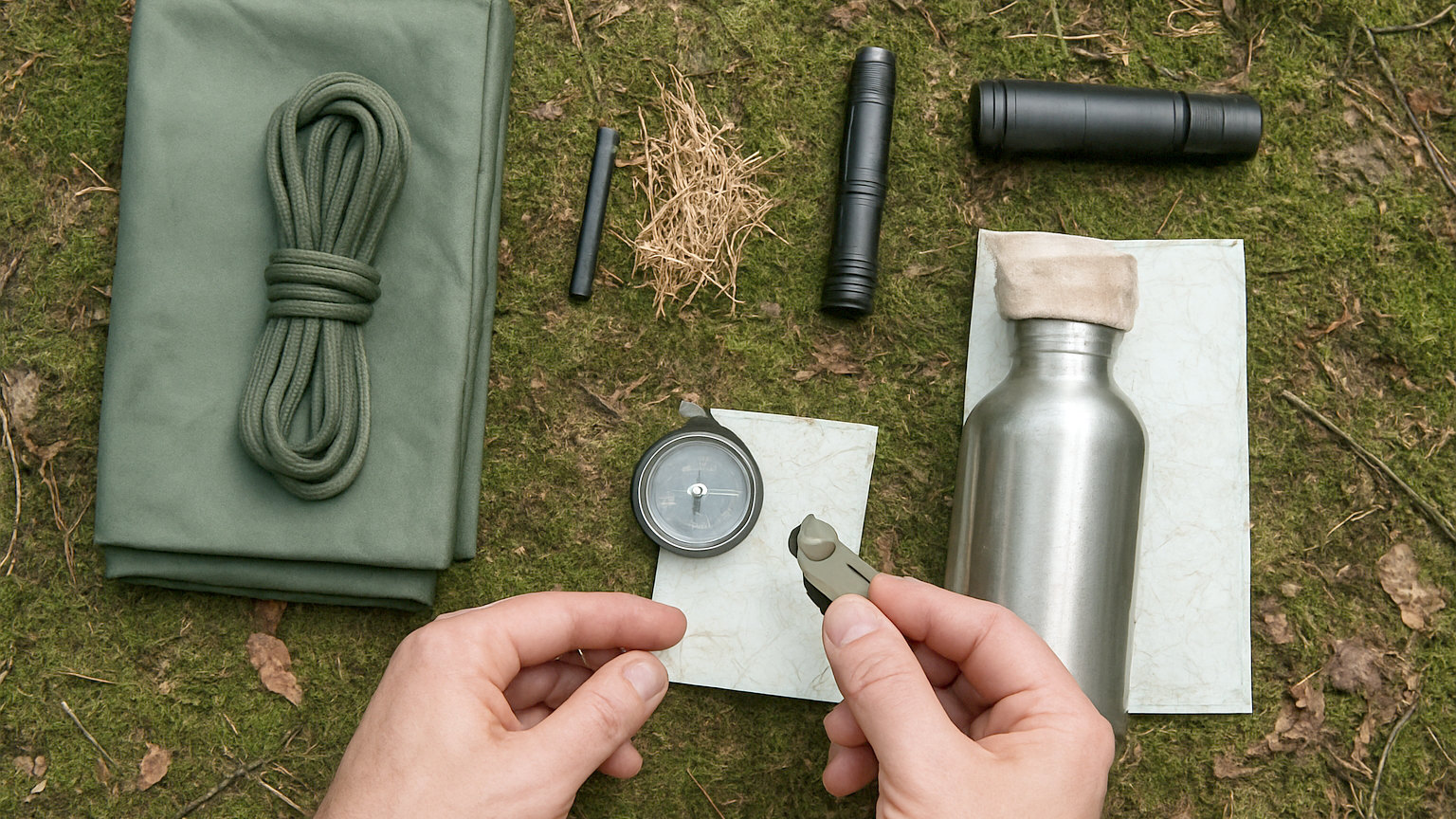
The contents are chosen to fill a tin rather than to work. A typical kit contains a tiny ferro rod that is difficult to use with cold hands, a few matches, a wire saw, some fishing line, a button compass and a razor blade. Almost none of it performs under pressure, and the tin creates a sense of preparedness that displaces carrying things that would actually help.
Why are wire saws useless?
Because they break. The cheap braided wire saws included in kits typically fail within a few strokes on anything substantial, and even the better ones are slow and exhausting compared with batoning with a knife or simply snapping dead wood. A small folding saw weighs little and cuts genuinely well, which is the correct answer if you need to cut wood.
- Tinned survival kits, chosen to fill a tin rather than to work
- Wire saws, which break and cut poorly
- Paracord bracelets, holding too little cord to matter
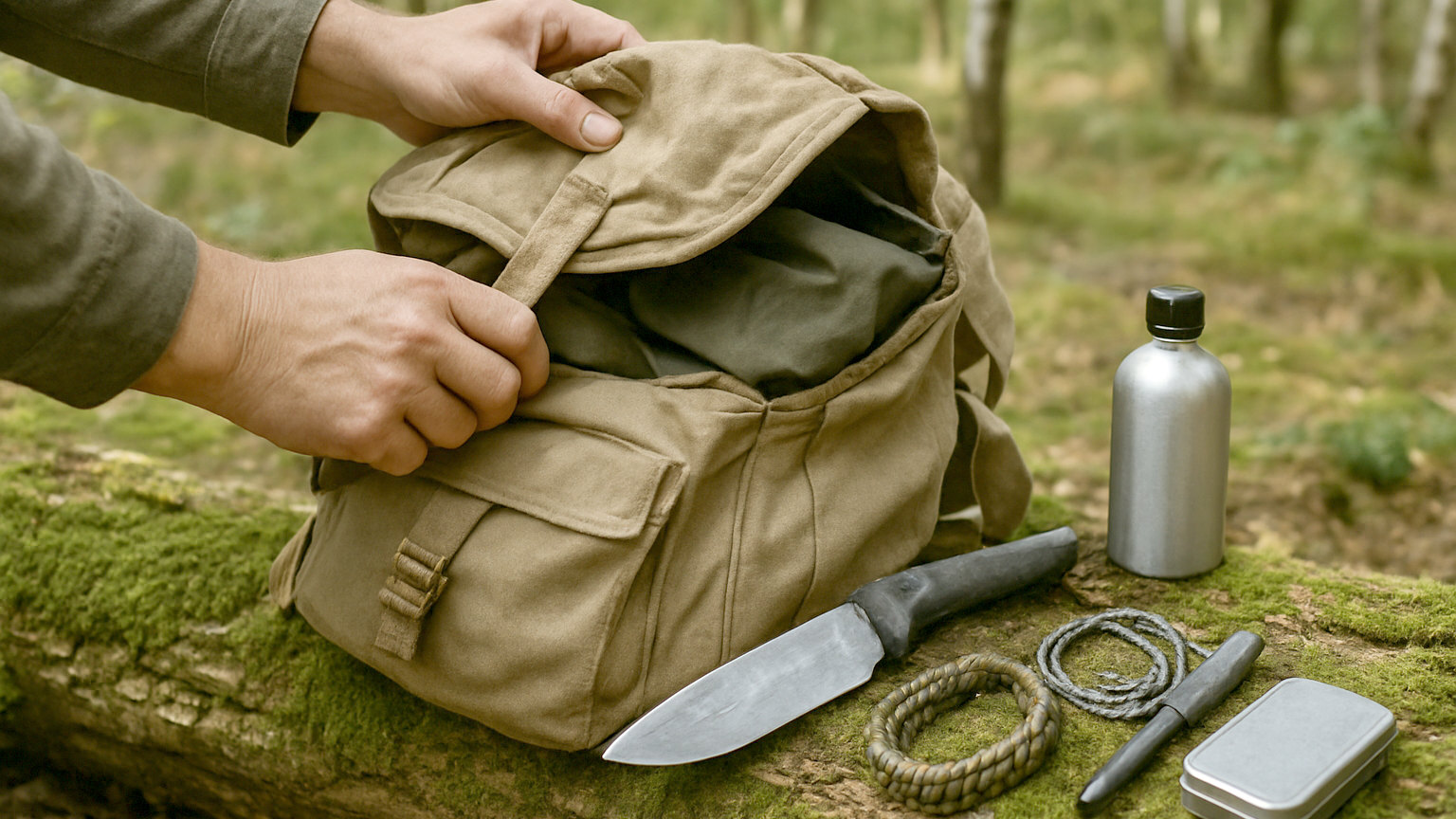
- Very large knives, harder to use and no more capable
- Button compasses, inaccurate and hard to use
- Tactical styling, which adds cost and attracts attention
What about paracord bracelets?
Pleasant items containing perhaps three metres of cord, which is enough for a repair and not for anything structural, and which takes several minutes to unpick. Anyone treating one as their cordage is carrying far less than they think. A small hank of line in a pocket weighs the same and deploys instantly.
Why are large knives a poor choice?
Because almost every task is fine work. Preparing food, carving, feather sticks, cutting cord and processing small wood are all done better with a blade of nine to eleven centimetres. Large blades are heavier, less controllable and no better at anything a walker does. They also raise obvious legal and social problems when carried.
What about button compasses?
They indicate roughly which way is north and cannot be used for the thing a compass is for, which is taking and walking a bearing from a map. A baseplate compass costs little more, weighs almost nothing and does the actual job. Compasses built into whistles, zip pulls and knife pommels are frequently inaccurate by tens of degrees.
What about tactical styling?
It adds cost and attracts attention without adding capability. Military patterned bags and pouches mark you out, suggest you are carrying something worth taking, and cost more than plain equivalents. In a rest centre, a hotel or a station during a disruption, blending in is an advantage rather than a compromise.
What should the money go on instead?
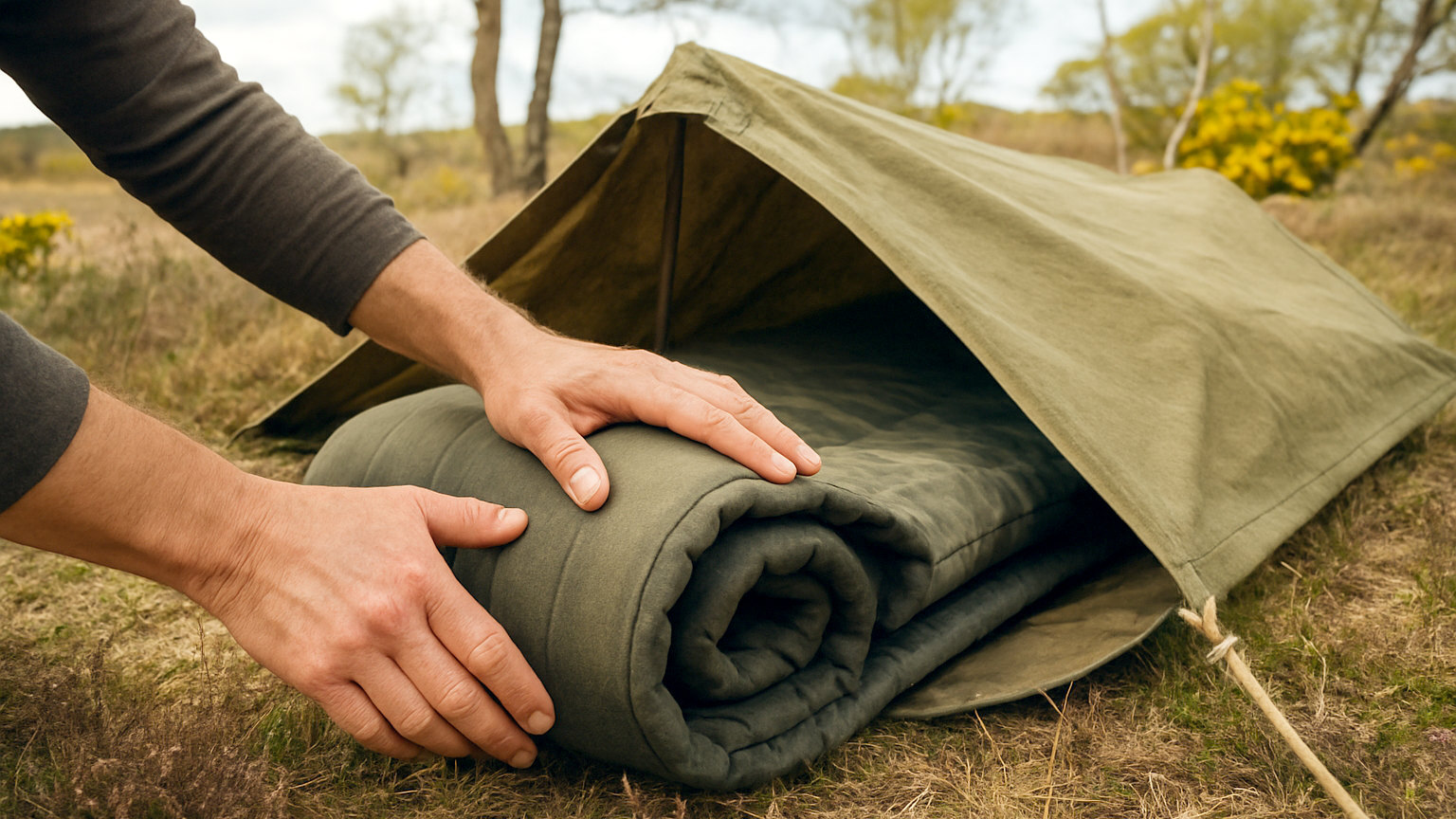
A group shelter or survival bag. A decent head torch. A waterproof jacket. A means of treating water. A map and a baseplate compass. Warm layers and spare socks. Every one of these addresses something that actually happens, and together they cost less than a single premium knife.
Is any of it worth owning?
Some, in the right context. A folding saw is genuinely useful for camp craft. A good fixed blade is a pleasure and a capable tool for anyone doing woodwork outdoors. The distinction is between equipment bought because you use it and equipment bought because it belongs to an idea of preparedness that does not match your actual outdoor life.
Why does this equipment sell so well?
Because it is more interesting than the alternatives. Researching knives and fire steels is enjoyable in a way that buying a plain waterproof and registering for emergency SMS is not, and equipment offers a sense of progress that habits do not. That is a normal human response rather than a failing, and being aware of it is what stops a hobby quietly replacing preparation.
Skip the tinned kits, wire saws and bracelets, buy a group shelter and a head torch instead, and place each purchase against something that actually happens.