Survival equipment is a large market built on a small number of genuine needs. Working from the needs rather than the product categories produces a much shorter and more useful list.
What are the actual categories?
Six. Shelter from wind and rain. Insulation to retain body heat. Light. A means of making water safe. A means of navigating. And a means of calling for help. Anything that does not serve one of those is optional, and most items marketed as survival gear serve none of them.
What does that look like in practice?
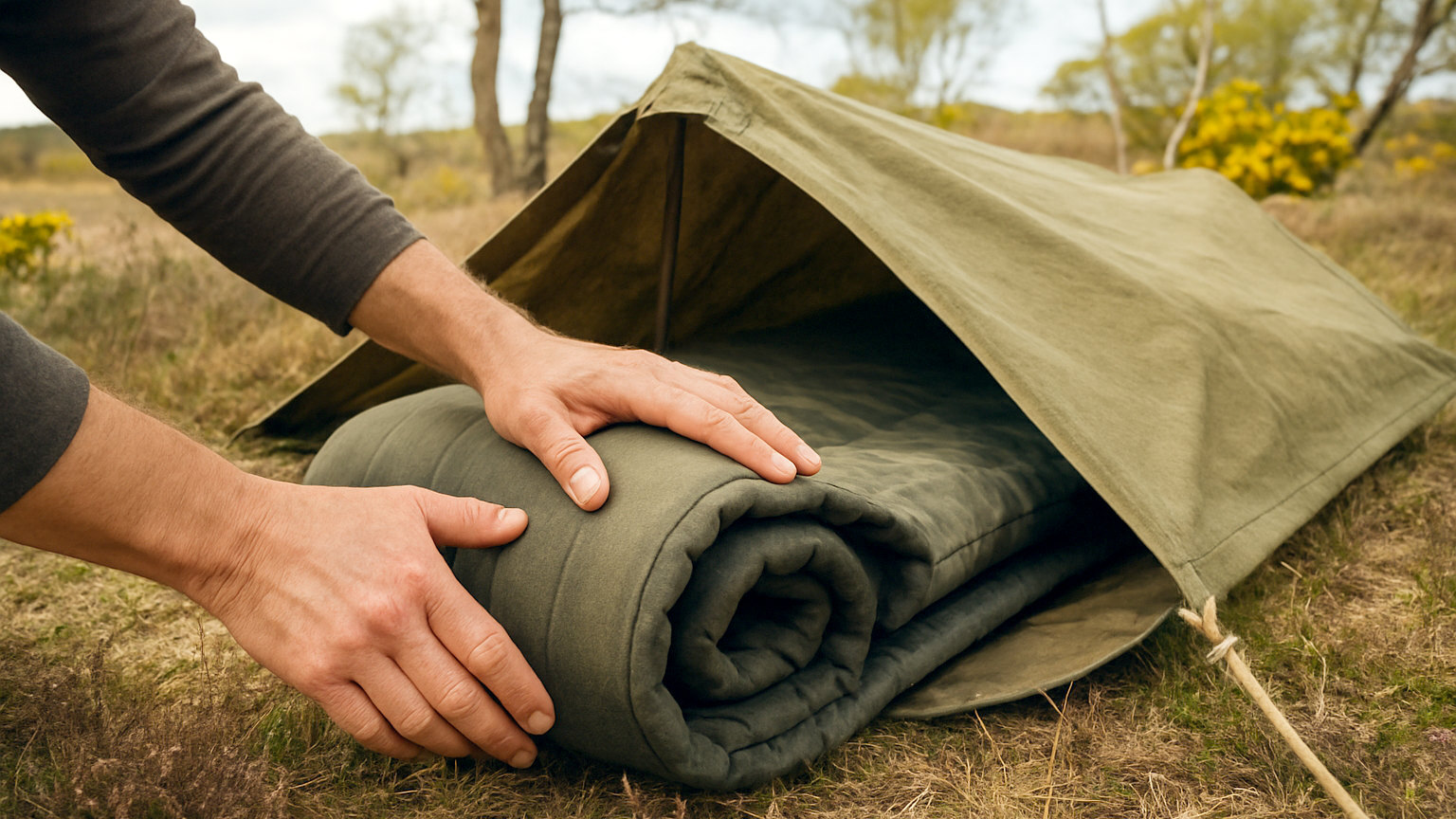
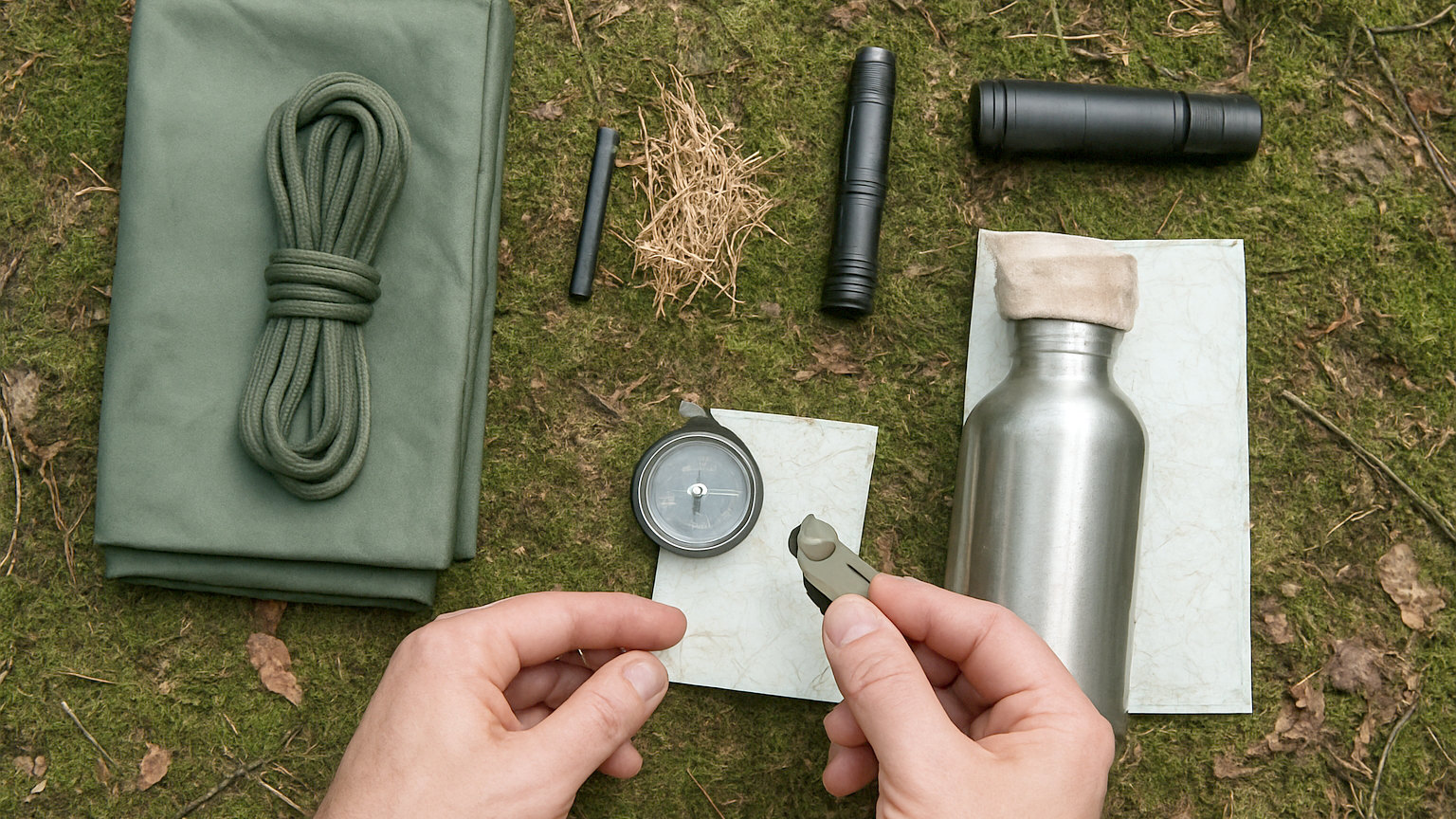
A waterproof jacket and a group shelter or survival bag. Warm layers, a hat and gloves. A head torch with spare batteries. A filter or purification tablets. A map, a compass and a charged phone. A whistle and a registered emergency SMS setup. That is a complete kit for a British hill day, weighs very little and costs less than a single fashionable knife.
- Shelter: waterproof, group shelter or survival bag
- Warmth: insulating layers, hat, gloves, spare socks
- Light: head torch and spare batteries
- Water: filter or purification tablets
- Navigation: map, compass and a phone
- Communication: whistle and emergency SMS registration
What is missing from that list?
Almost everything sold in the survival section. Large knives, fire steels in quantity, wire saws, paracord bracelets, tactical pouches and tinned survival kits address a scenario in which you are living outdoors indefinitely, which is not what happens to British walkers. Fire lighting has genuine value and belongs lower down the list than shelter and light.
Does the answer change for camping?
It expands rather than changes. Camping adds a tent or tarp, a sleeping bag and mat, a stove and fuel, and cooking equipment, all of which are comfort and capability rather than survival. The six categories remain the emergency core, and a well equipped camper already satisfies all of them without buying anything labelled survival.
What about at home?
The same six with different equipment. Shelter is the house. Warmth is layers, blankets and a means of heating one room. Light is torches. Water is stored bottles. Navigation is irrelevant. Communication is a charged phone, a battery radio and a written contact list. The categories translate, which is why they are the useful frame.
What should you buy first?
A head torch and a waterproof, in that order, if you have neither. Light and staying dry address the two things most likely to turn an inconvenience into a problem, and both are useful every time you go out rather than only in an emergency. After those, a group shelter or survival bag delivers more safety per pound and per gram than anything else available.
How do you avoid overbuying?
By asking which of the six categories an item serves and whether you already have something covering it. A second knife serves none. A third fire lighting method duplicates the first two. If you cannot place an item in a category, or the category is already covered, it is a preference rather than a need, which is fine as long as you know that is what you are doing.
What is the honest summary?
Most people already own most of what they need and are missing one or two specific items, usually a group shelter, a decent head torch or a means of treating water. Identifying those gaps is more useful than acquiring another category of equipment.
Does the season change it?
The categories hold and the weighting shifts. Winter puts far more emphasis on insulation and light, since darkness arrives early and cold is the dominant threat, so spare layers, a hat and gloves and a second torch matter more. Summer shifts weight toward water, since consumption rises and streams dry up. Reviewing the same six categories twice a year rather than carrying one fixed kit is the sensible approach.
What do rescue teams say people lack?
Consistently the same short list: a group shelter or survival bag, a head torch, adequate warm layers, and having left word of the route with someone. Those four appear again and again in accounts of callouts, and none of them is expensive or heavy. It is a useful corrective to a market that emphasises knives and fire lighting.
Work from the six categories, buy a head torch and a waterproof first, add a group shelter, and place every purchase in a category before making it.