Outdoor equipment spans an enormous price range, and the relationship between price and usefulness is uneven. A few categories genuinely reward spending and most do not.
Where does money genuinely help?
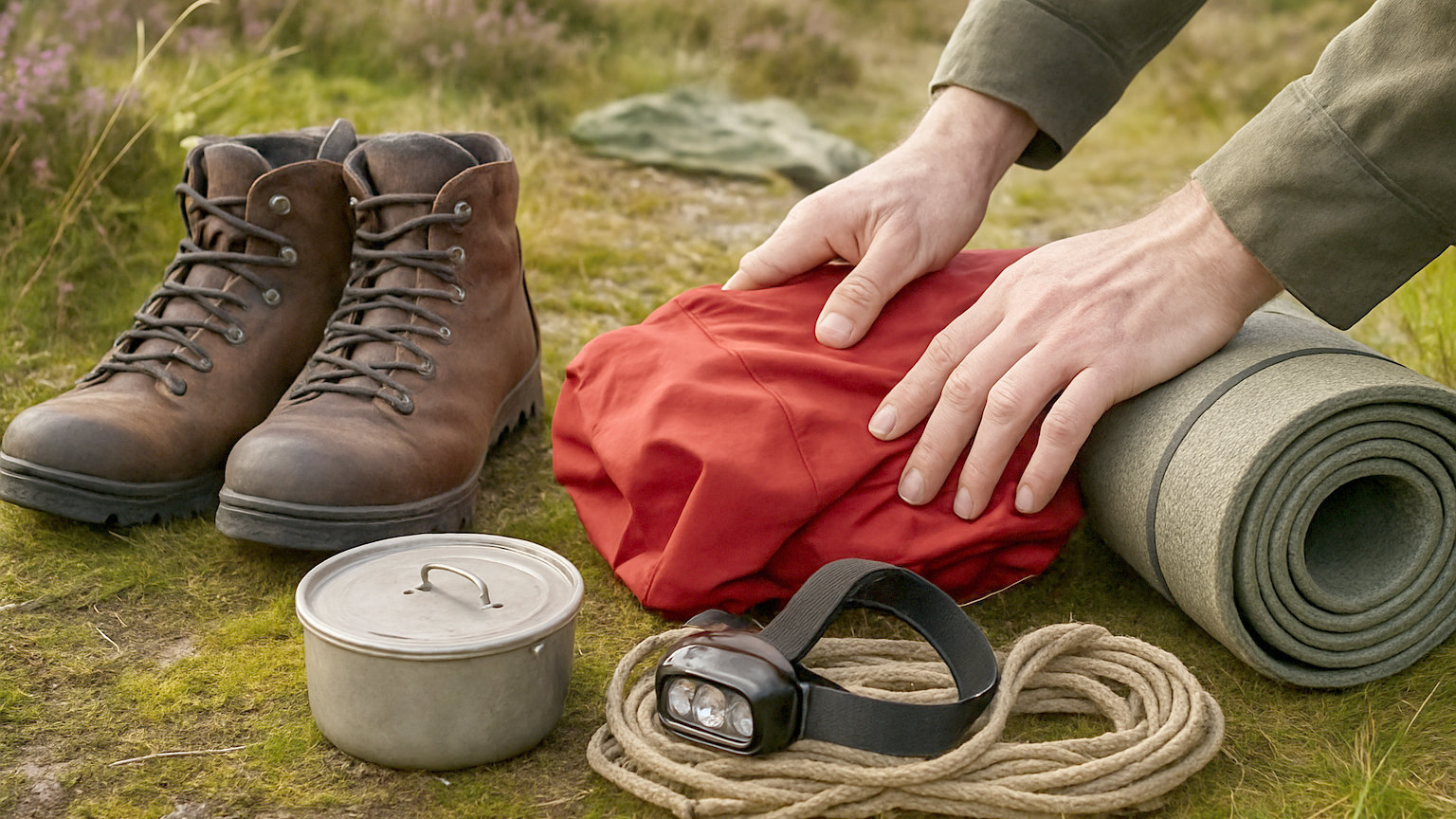
Boots, waterproof shell, sleeping mat and head torch. These four are the items where cheap versions fail in ways that matter: boots that cause blisters or fall apart, shells that leak, mats that lose air or provide no insulation, and torches that die early or produce far less light than claimed. Failure in each has real consequences.
Why boots above everything?
Because you cannot walk out on damaged feet, and fit and construction are what prevent that. A well made boot that fits properly, worn in before a long day, prevents blisters and supports the ankle on rough ground. Cheap boots with poor lasts, soft soles and rough seams cause problems within a few miles. This is the single highest value purchase in outdoor equipment.
- Boots, where fit and construction prevent injury
- Waterproof shell, where cheap versions leak
- Sleeping mat, where R value determines a warm night
- Head torch, where cheap ones fail and overstate output
- Base layers, fleeces and cordage perform well cheaply
- Above a mid price point you buy weight savings, not function
Where is cheap perfectly fine?
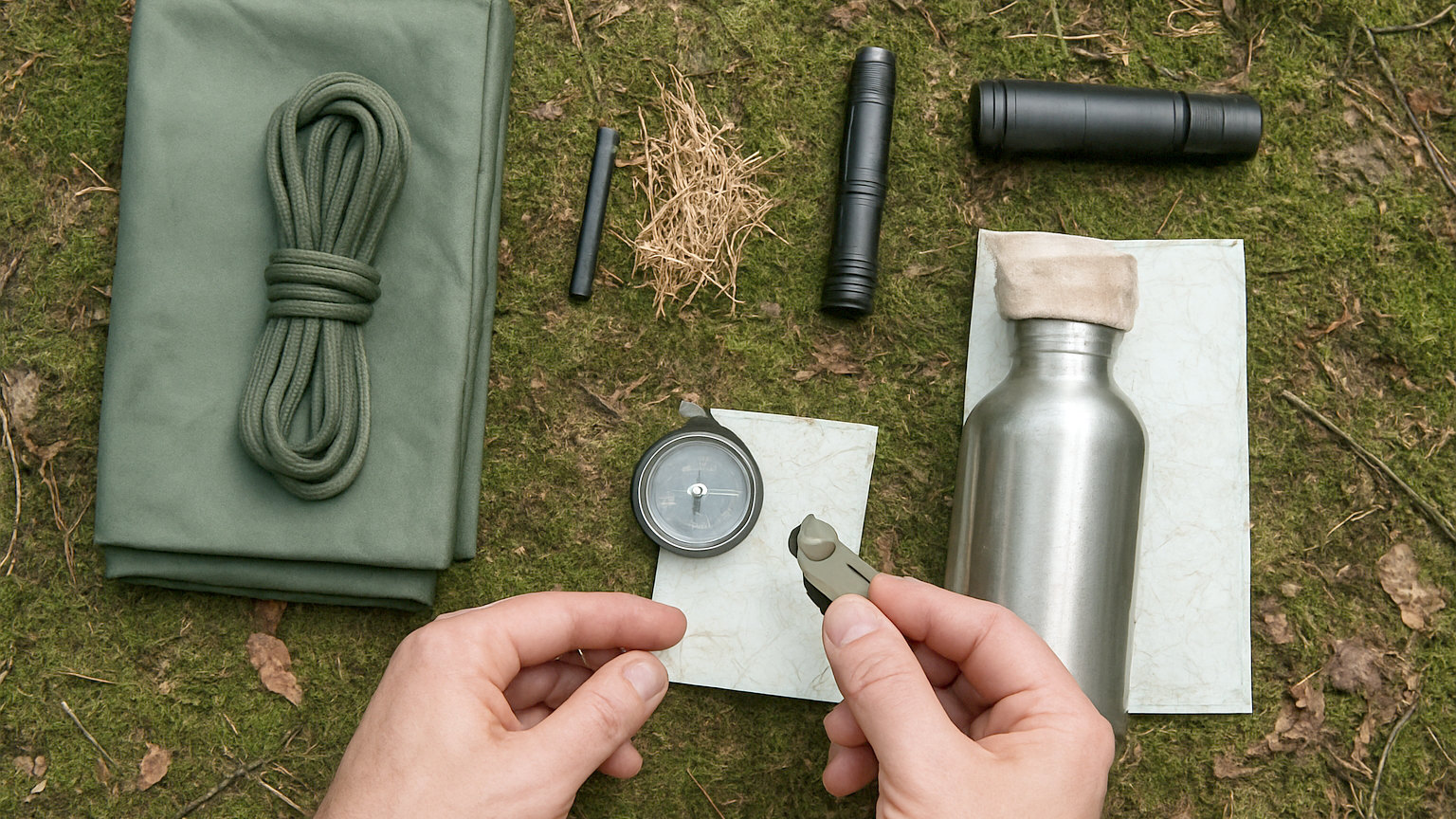
Base layers, fleece mid layers, hats, gloves, cordage, dry bags, water bottles, stuff sacks and most cooking equipment. A supermarket fleece insulates much like an expensive one. Own brand synthetic base layers work. A plain gas stove boils water as well as a premium one. In these categories the money buys branding, small weight savings and finish rather than function.
What does the top of the market actually buy?
Weight, mostly, and durability at the extremes. Premium equipment is lighter for the same performance, uses more advanced fabrics and is designed for conditions most people never encounter. If you are carrying everything for a week, or operating in genuinely severe conditions, that matters. For a British hill day it is a preference rather than a necessity.
What about second hand?
Excellent value for many items and poor for a few. Rucksacks, tarps, cooking equipment, poles and hard goods are often available cheaply and last decades. Be cautious with sleeping bags, since loft may have been damaged by long compression, with waterproofs where the membrane may be past its life, and with anything safety critical such as climbing equipment or helmets.
How should you build a kit on a budget?
Buy the four priorities properly and everything else cheaply, then upgrade individual items as they wear out or as a genuine limitation appears. That produces a functional kit quickly rather than a partial expensive one. End of season sales, outlet shops and last year models offer substantial savings on unchanged equipment.
What is never worth paying for?
Survival branding, which adds a premium to ordinary items. Tinned kits. Gadgets combining several functions badly. Anything sold primarily on appearance or on implausible specification claims. In each case the ordinary version from an ordinary retailer works better and costs less.
What is the best value single purchase?
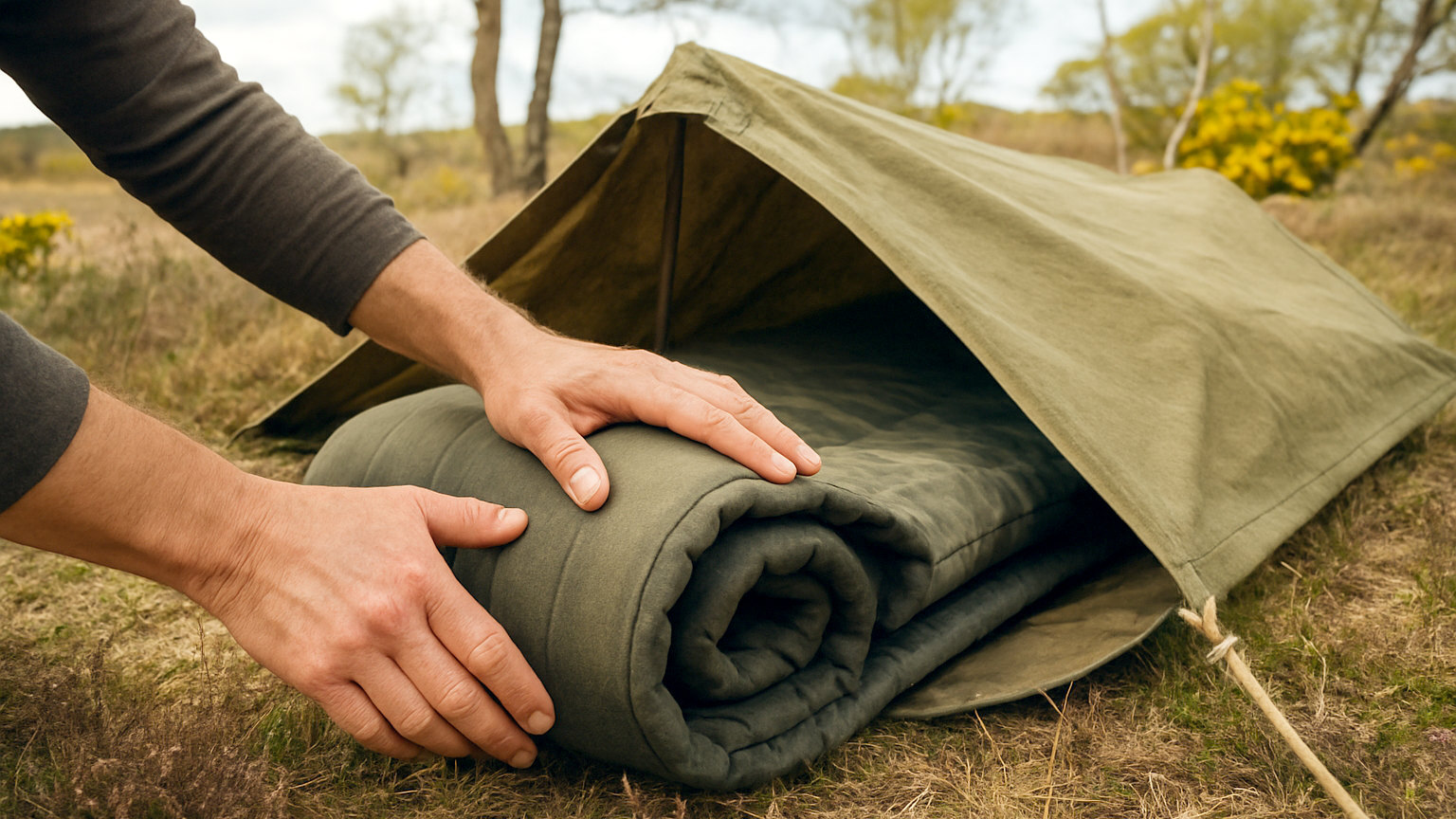
A group shelter, at perhaps thirty to sixty pounds. Nothing else delivers as much genuine safety per pound, it works for a whole party, it deploys in under a minute and it turns a deteriorating situation around within minutes. Most walkers do not own one, and it is the item mountain rescue teams most often wish people had.
How do you know when to upgrade?
When a specific limitation appears rather than on a schedule. If your pack hurts on long days, your waterproof wets out within an hour, or you are cold at night despite a good bag, those are concrete reasons pointing at a specific item. Upgrading because equipment is old, or because a better version exists, generally produces a heavier wallet and an identical experience.
Spend on boots, shell, mat and torch, buy everything else cheaply, avoid survival branding, and put sixty pounds into a group shelter.