Storm related power cuts affect large numbers of British households every winter, and a small number last for days. It is the most likely emergency most people will face, and preparing for it costs very little.
What actually stops working?
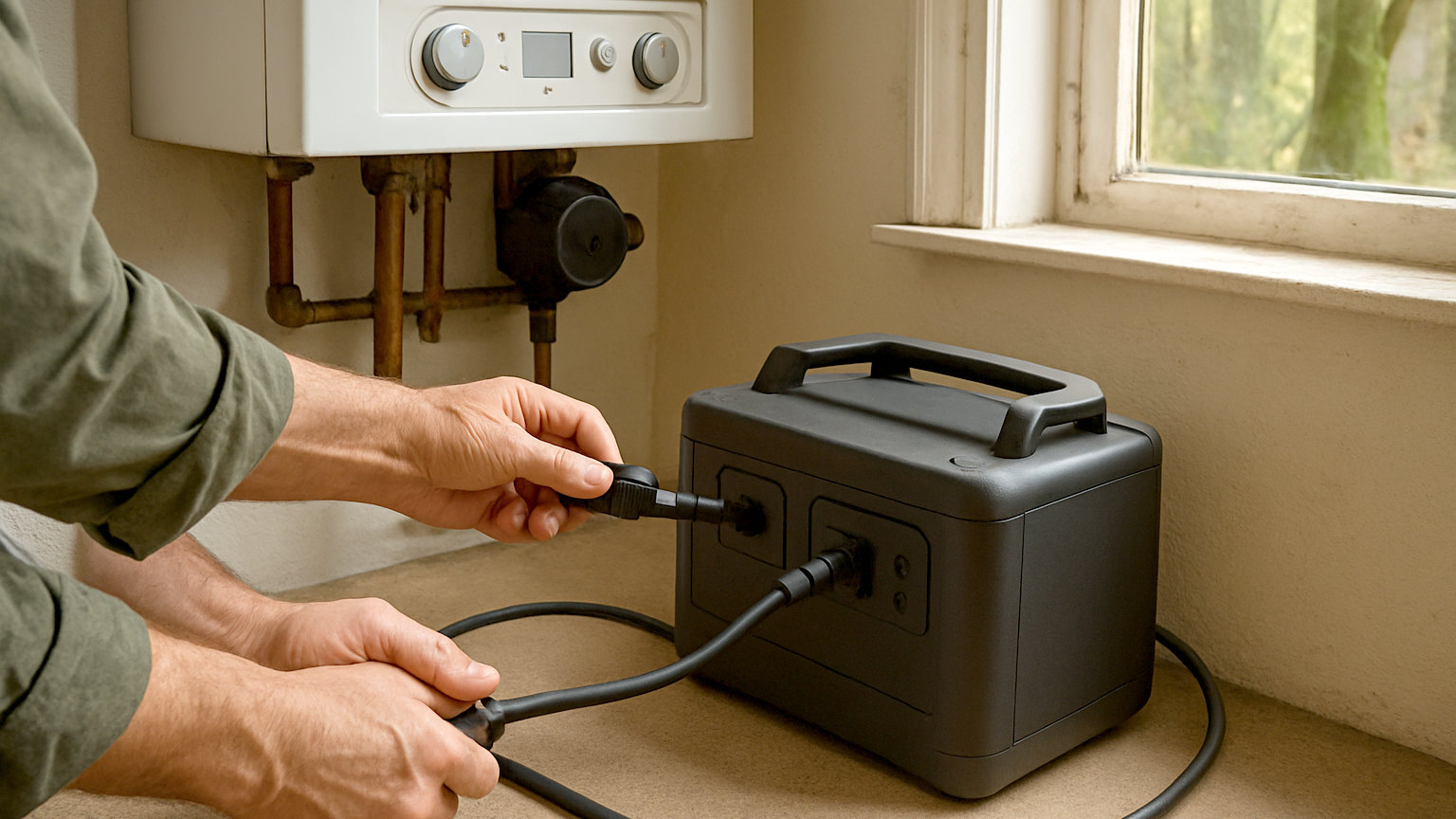
More than people expect. Lighting, cooking, refrigeration and the internet obviously. Also gas central heating, because the boiler, pump and controls are electrically powered, so a gas boiler provides no heat without electricity. Cordless phones stop working while corded landlines may not. Electric gates, garage doors and stairlifts stop. Mobile masts run on battery backup that is measured in hours. Some homes with private water pumps lose water too.
What should you prepare?
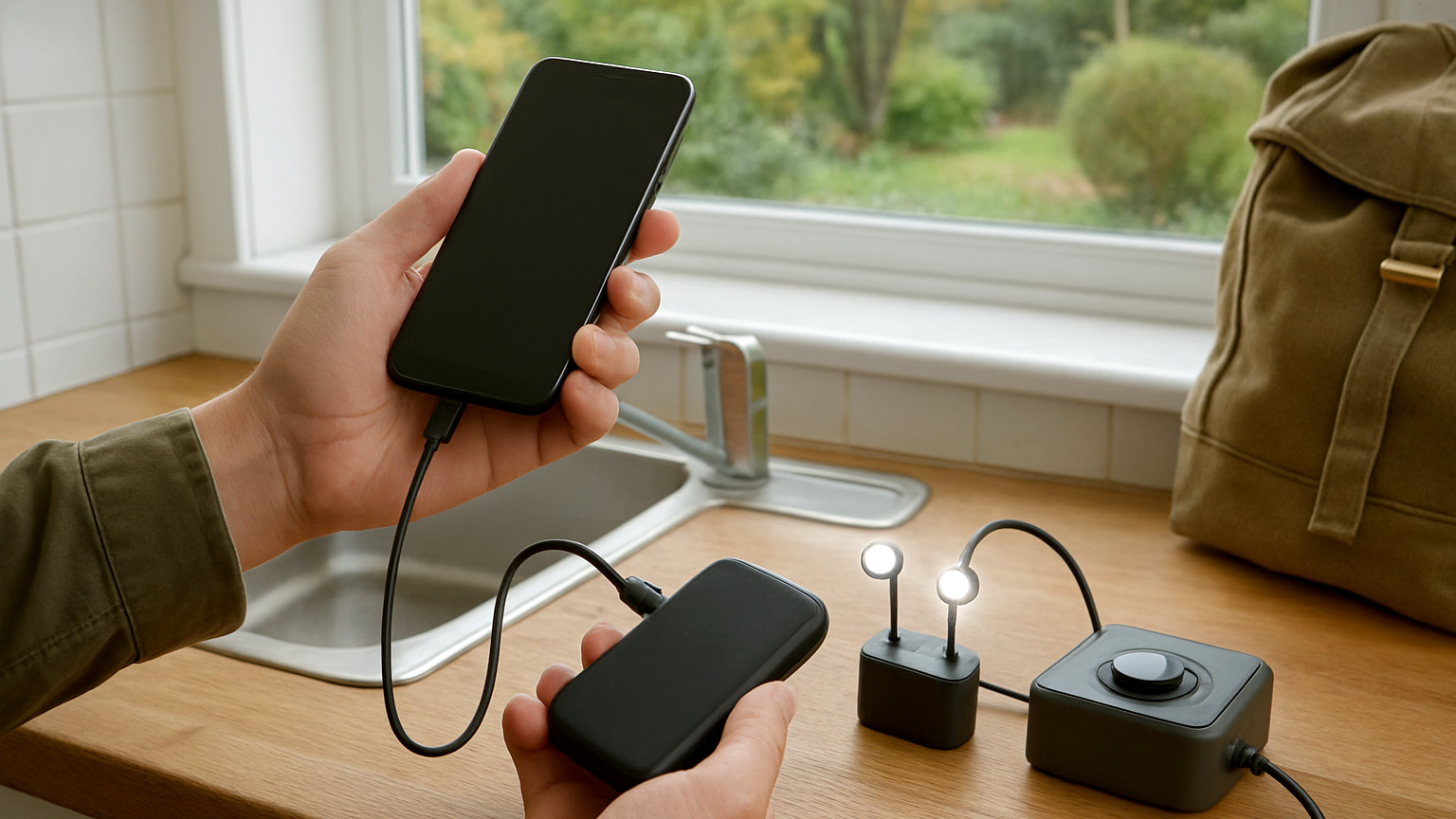
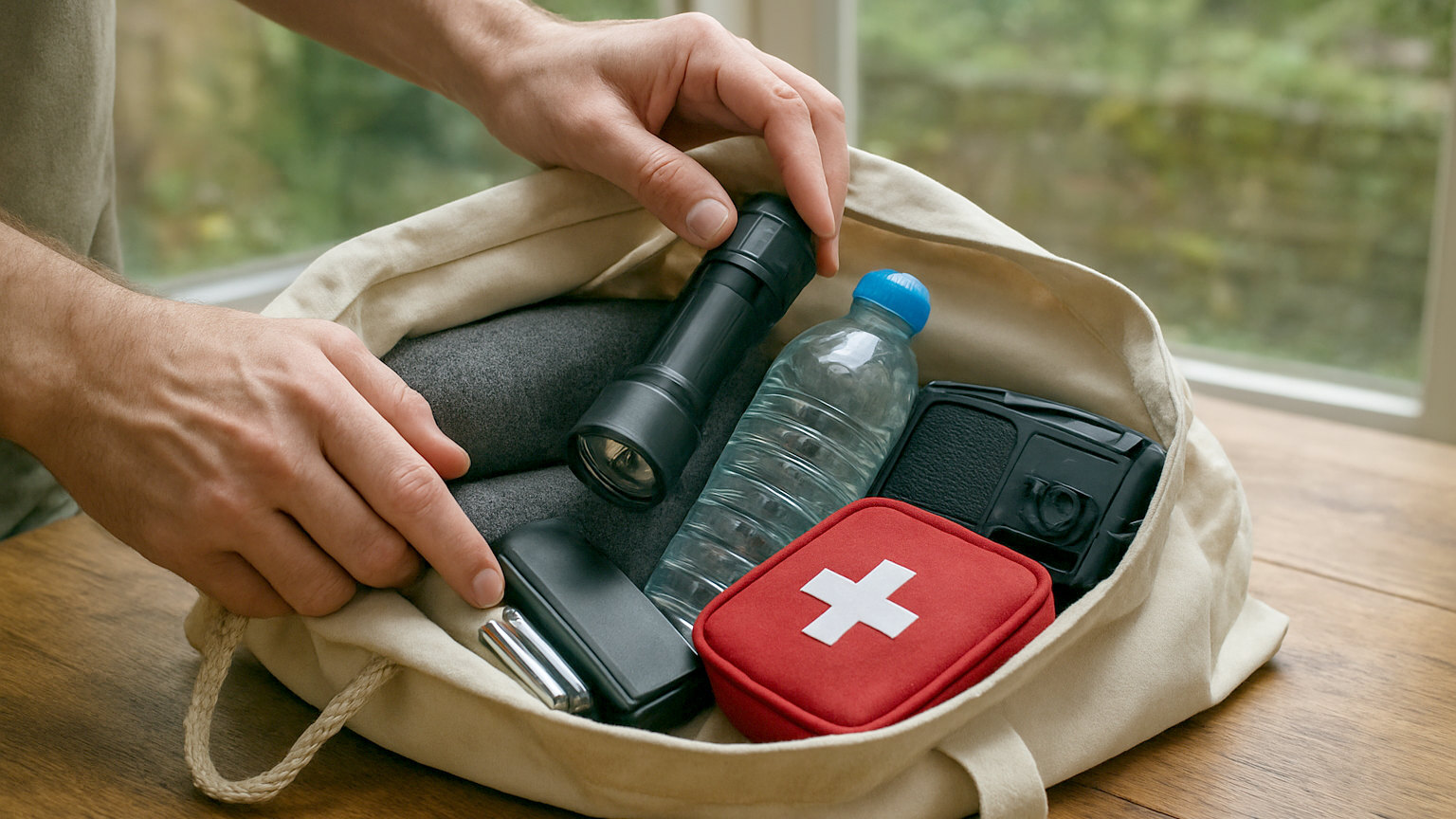
Light first, then warmth, then communication and food. A wind up or battery torch in every bedroom and one by the fuse box. Head torches, which leave hands free and are far more useful than candles. A power bank for phones, kept charged. Warm layers and blankets accessible. A battery or wind up radio, since local radio carries emergency information when the internet is gone. Food that needs no cooking, and a means of boiling water safely.
- Torches and head torches in every room, with spare batteries
- Charged power banks for phones
- A battery or wind up radio for local information
- Warm layers, blankets and a hot water bottle
- Food requiring no cooking, and a manual tin opener
- Cash, since card machines and cash points fail
- The number 105 saved in every phone
What is 105 and who should register?
105 is the free national number connecting you to your local electricity network operator to report a power cut or check on progress. It is worth saving in every phone in the house. Separately, energy and water suppliers maintain a Priority Services Register for people who are elderly, disabled, chronically ill, dependent on powered medical equipment, or who have young children. Registration is free, takes a few minutes, and brings advance warning of planned work, priority reconnection and welfare support during outages.
How long does food stay safe?
A closed fridge holds a safe temperature for around four hours and a full freezer for roughly twenty four to forty eight hours, considerably less if half empty. The critical rule is to keep the doors shut, since each opening costs hours. Fill freezer gaps with bottles of water, which increases thermal mass and doubles as an emergency water store. If frozen food has thawed and been above five degrees for more than a few hours, discard it rather than refreezing.
How do you stay warm without heating?
By heating people rather than rooms. Choose one room, preferably small and south facing, close the doors and curtains, and keep everyone in it. Layers of thin clothing trap more air than one thick layer. Hot water bottles, filled from water boiled on a gas hob or camping stove, are highly effective. Eat and drink warm things. Never use a barbecue, patio heater or generator indoors, since carbon monoxide from these kills people every winter.
What about cooking?
A gas hob will usually light with a match even when the electric ignition is dead, though modern boilers and some hobs with electronic safety cut offs will not. A camping stove used with proper ventilation, or outdoors, covers the rest. Plan a meal or two that requires no cooking at all, since that removes the problem entirely for the first day.
What should you do when power returns?
Restore load gradually rather than everything at once, since a simultaneous surge across a street can trip the supply again. Check the freezer contents, reset clocks and heating timers, and check on neighbours, particularly anyone elderly or living alone. Note what you were missing, because the gaps in your preparation are never obvious until you have sat through an outage.
Torches, power banks, a radio, warm layers and 105 in your phone cover almost everything. Register anyone vulnerable on the Priority Services Register today.