Children cope with emergencies considerably better when they know what to do, and considerably worse when preparation has been presented as a catalogue of frightening possibilities. The difference is almost entirely in how it is taught.
What is the minimum they should know?
Their full name, their home address, and a phone number for a parent and for the out of area contact. How to dial 999 and what to say. Where the meeting point is. And that in most emergencies the right thing is to find a trusted adult and stay put rather than to go looking for anyone. That short list covers most of what a child can usefully do and is achievable well before school age.
How do you teach dialling 999?
By practising the conversation rather than the dialling. Explain that they should say which service they need, then their address, then what has happened, and that they should stay on the line and answer questions. Children as young as four have summoned help successfully. Make clear that 999 is for emergencies where someone is hurt, in danger or there is a fire, and that they will never be in trouble for calling if they genuinely thought it was needed.
- Full name, home address and a parent phone number
- How to dial 999 and what to say when asked
- Where the meeting points are and how to get to them
- How to get out of the house and where not to go back
- Which neighbours are safe to go to
- That staying put and finding an adult is usually right
How do you avoid frightening them?
By keeping it practical, brief and calm, and by framing it as something the family does rather than something to worry about. Children take their emotional cue from the adult delivering the information, so a matter of fact tone matters more than the words. Avoid dwelling on consequences, avoid detailed scenarios, and answer questions honestly but briefly. Comparing it to a fire drill at school gives them a familiar frame.
What changes with age?
Younger children need concrete actions and very short lists: where to go, who to find, the number to call. Primary aged children can learn the address, memorise a number and understand the meeting points. Teenagers can take real responsibility, including collecting a younger sibling, operating the shut offs, and knowing the grab bag contents. Give teenagers a genuine role, since being useful is far better for them than being managed.
Should they carry anything?
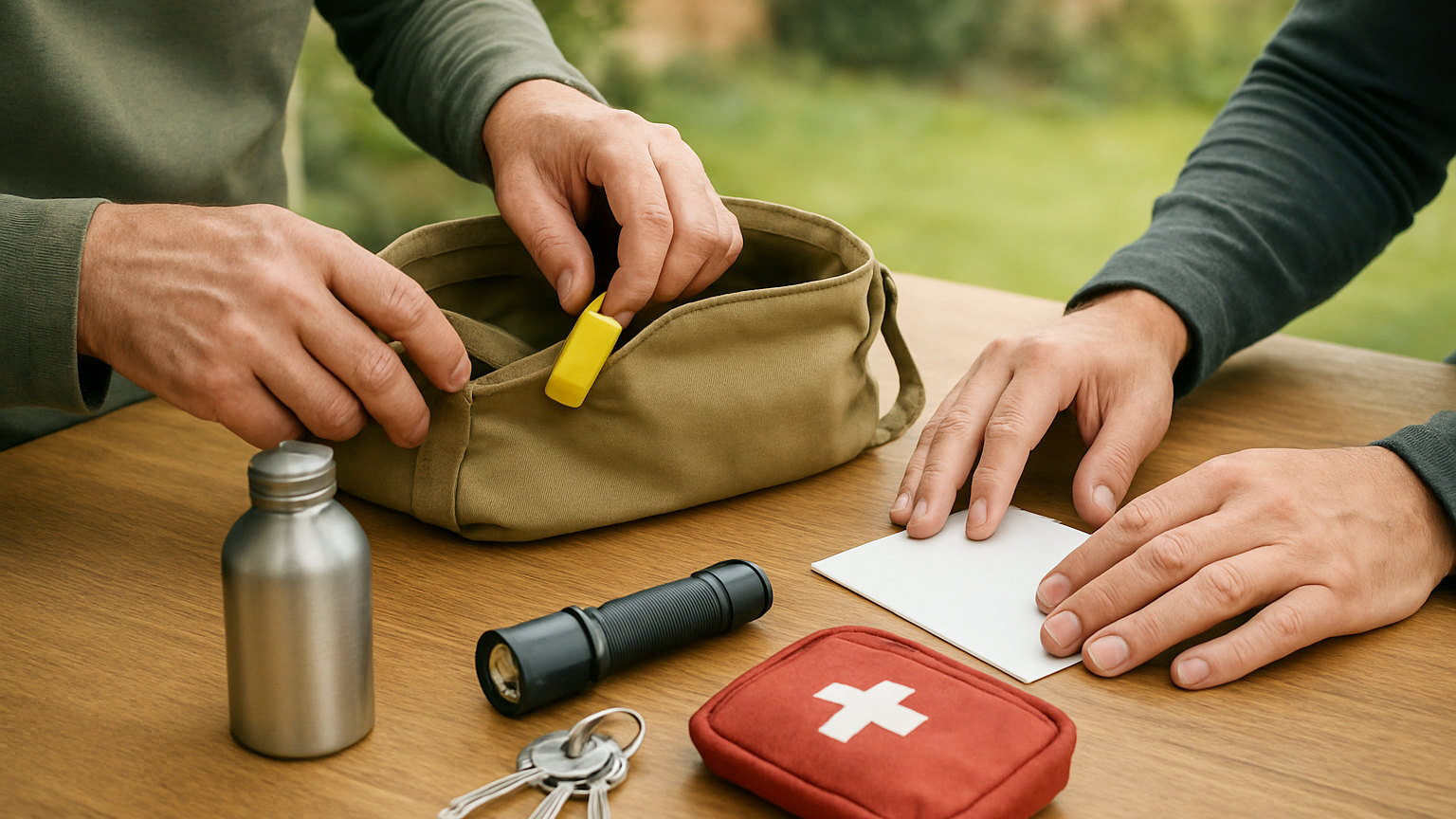
A card with the essentials, in a school bag or a coat pocket. Name, address, two phone numbers including the out of area contact, and any medical information such as an allergy or asthma. This covers the case where they are separated and someone else needs to help them, and it works when a phone is lost, flat or forgotten.
What about school arrangements?
Know them, and make sure the school knows yours. Schools generally keep children on site until an authorised adult collects them, so check who is on that authorised list and add a second person who is unlikely to be affected by the same problem as you. Tell your child who might come for them, so that an unexpected but authorised adult does not cause alarm.
How do you handle their questions afterwards?
Directly and without minimising. Children notice more than adults assume and fill gaps with something worse than the truth. Explain what happened simply, tell them what is being done, and be clear about what is over. Keeping routines going, including meals, bedtimes and school, does more for their sense of safety than reassurance does.
What if they are home alone?
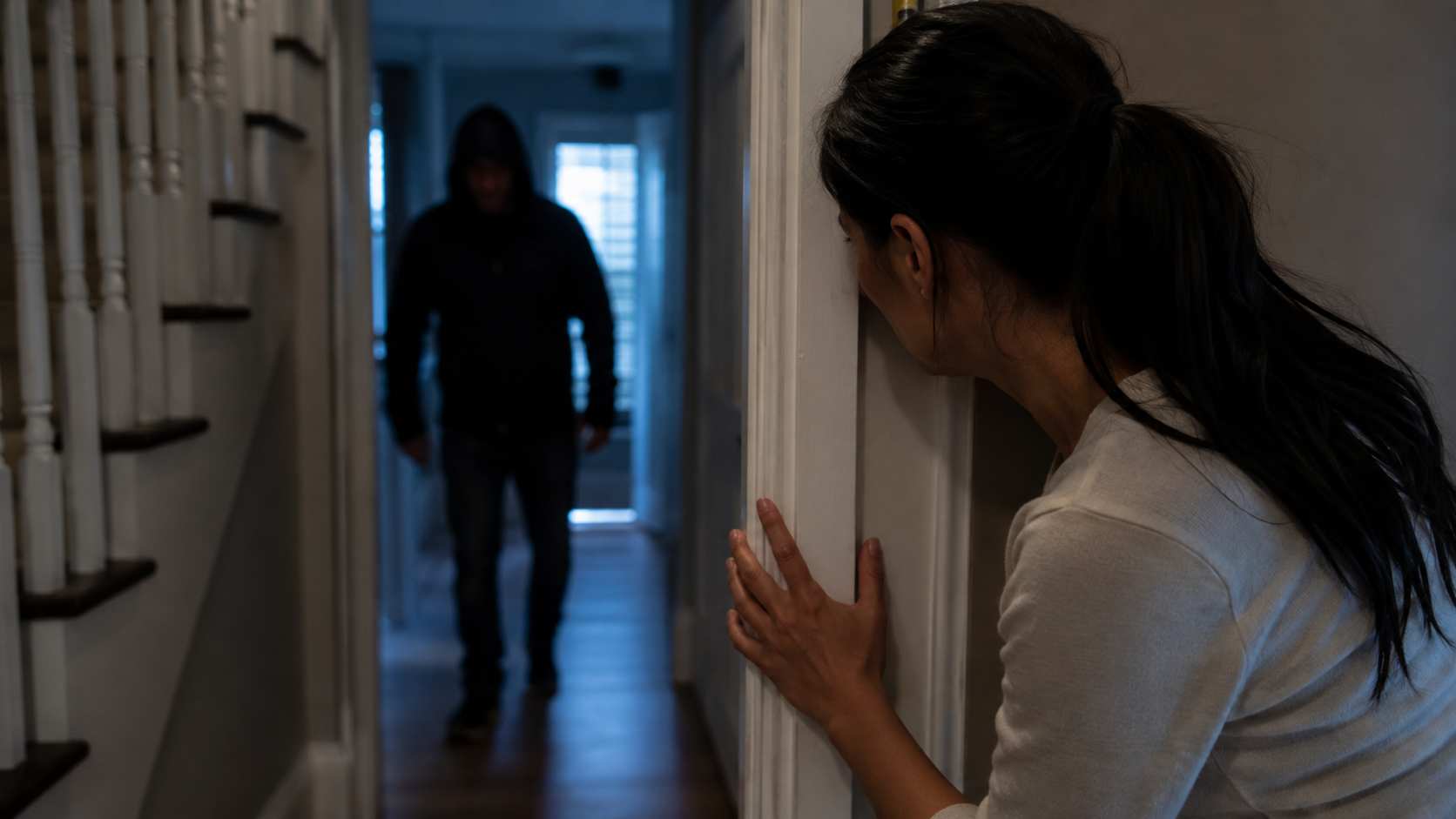
Give them a short list of what to do and, more importantly, permission to act. Older children left alone should know how to get out, where to go, who to call, and which neighbours are safe to approach. The most valuable thing you can tell them is that leaving the house is always the right choice if something frightens them, and that they will never be in trouble for going to a neighbour or calling 999 over something that turns out to be nothing.
Teach the address, the numbers and the meeting point, practise briefly and calmly, and give older children a real job to do.