Writing a plan feels like the work, and it is only half of it. Rehearsal is what converts a document into something a frightened household can actually execute, and it reliably reveals problems no amount of planning anticipates.
What should you rehearse first?
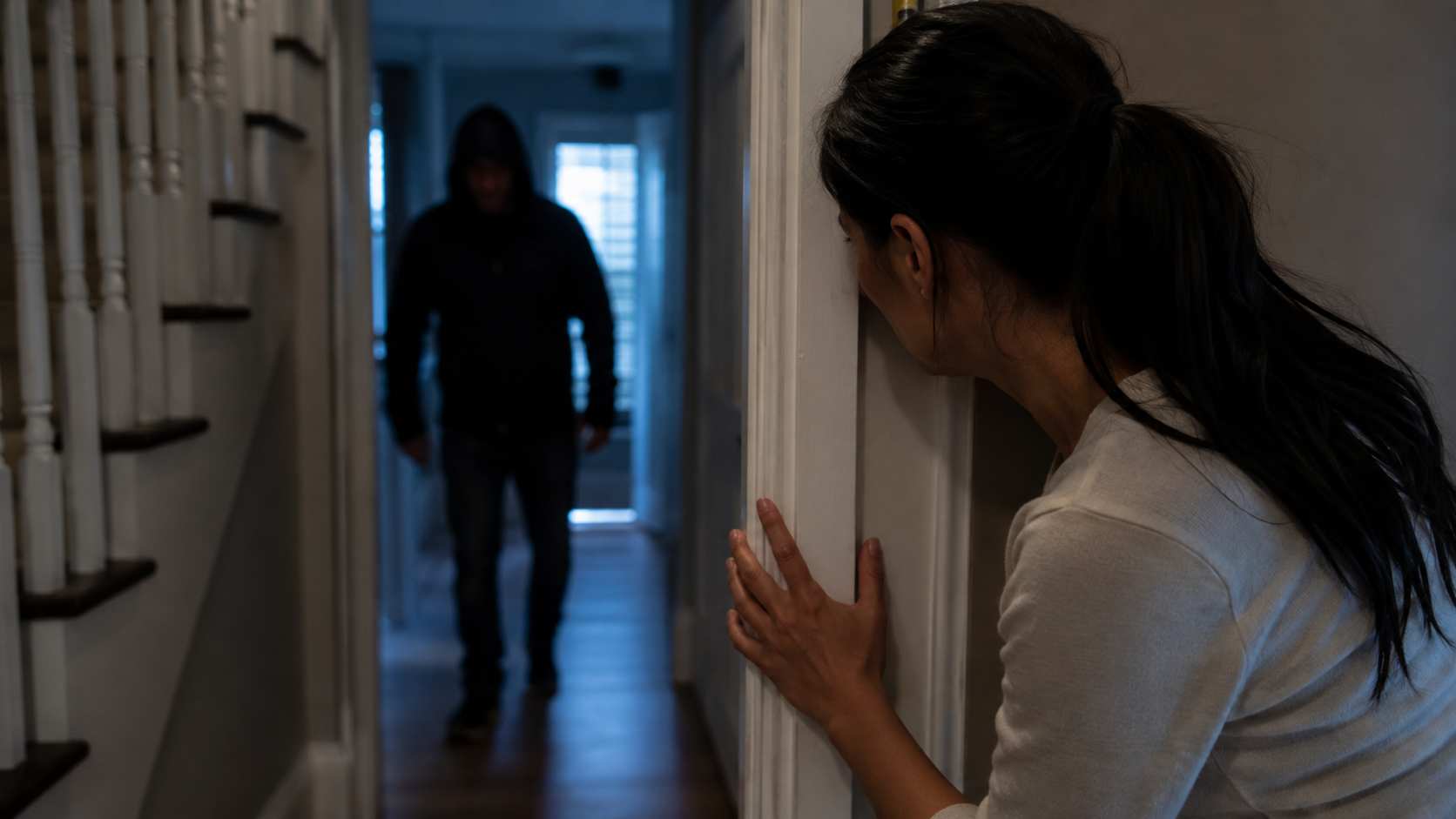
Getting out of the house. A home fire escape drill is the single most valuable rehearsal because fire allows the least time to think, with only a few minutes available before smoke makes escape impossible. Walk the primary route out, then the alternative route, then to the first meeting point. Do it once in daylight and once in darkness, since a familiar house is a completely different place in the dark and in smoke.
How often is enough?
Twice a year for the fire drill, and annually for the wider plan review. Tying it to the clocks changing works well, and that is also when smoke alarm batteries should be tested. More frequent drilling has diminishing returns for a household, and less frequent means children have forgotten and details have gone stale.
- Practise the fire escape route in daylight and in darkness
- Walk to both meeting points with everyone, including children
- Test that everyone can reach the out of area contact
- Check that each person can find and operate the shut offs
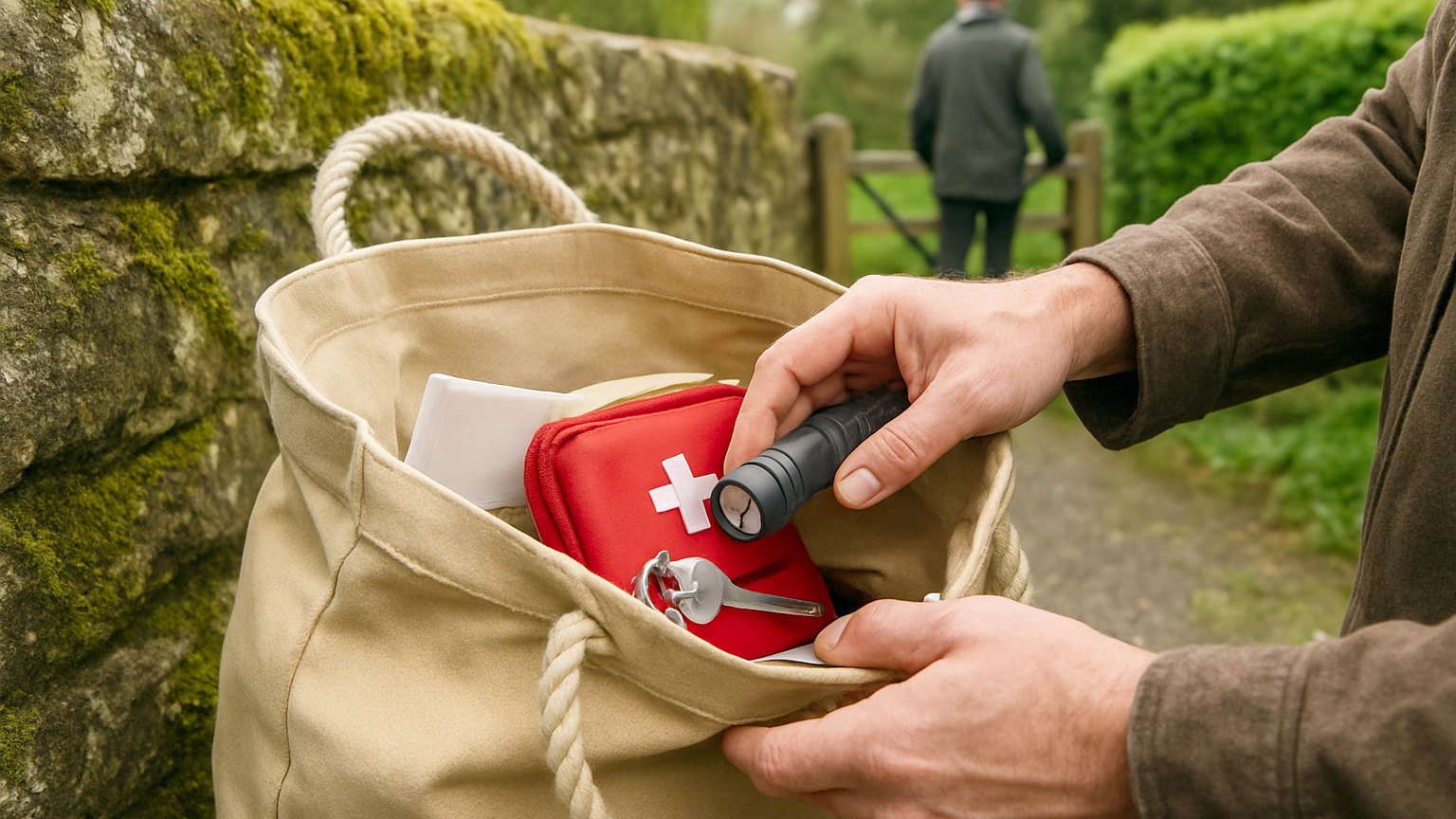
- Try the grab bag by living from it for an evening
- Run a power cut evening with the consumer unit switched off
What does a power cut rehearsal reveal?
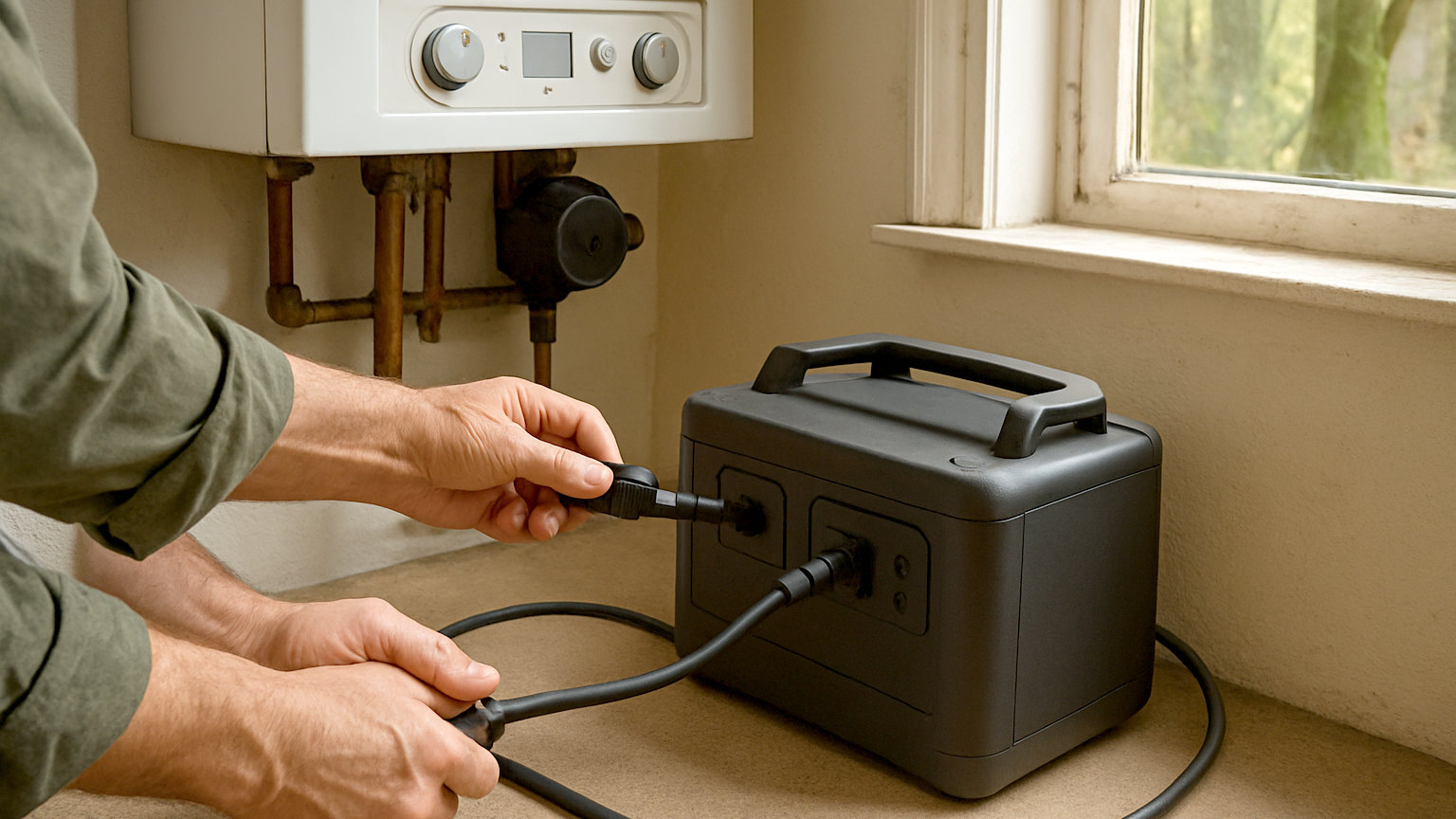
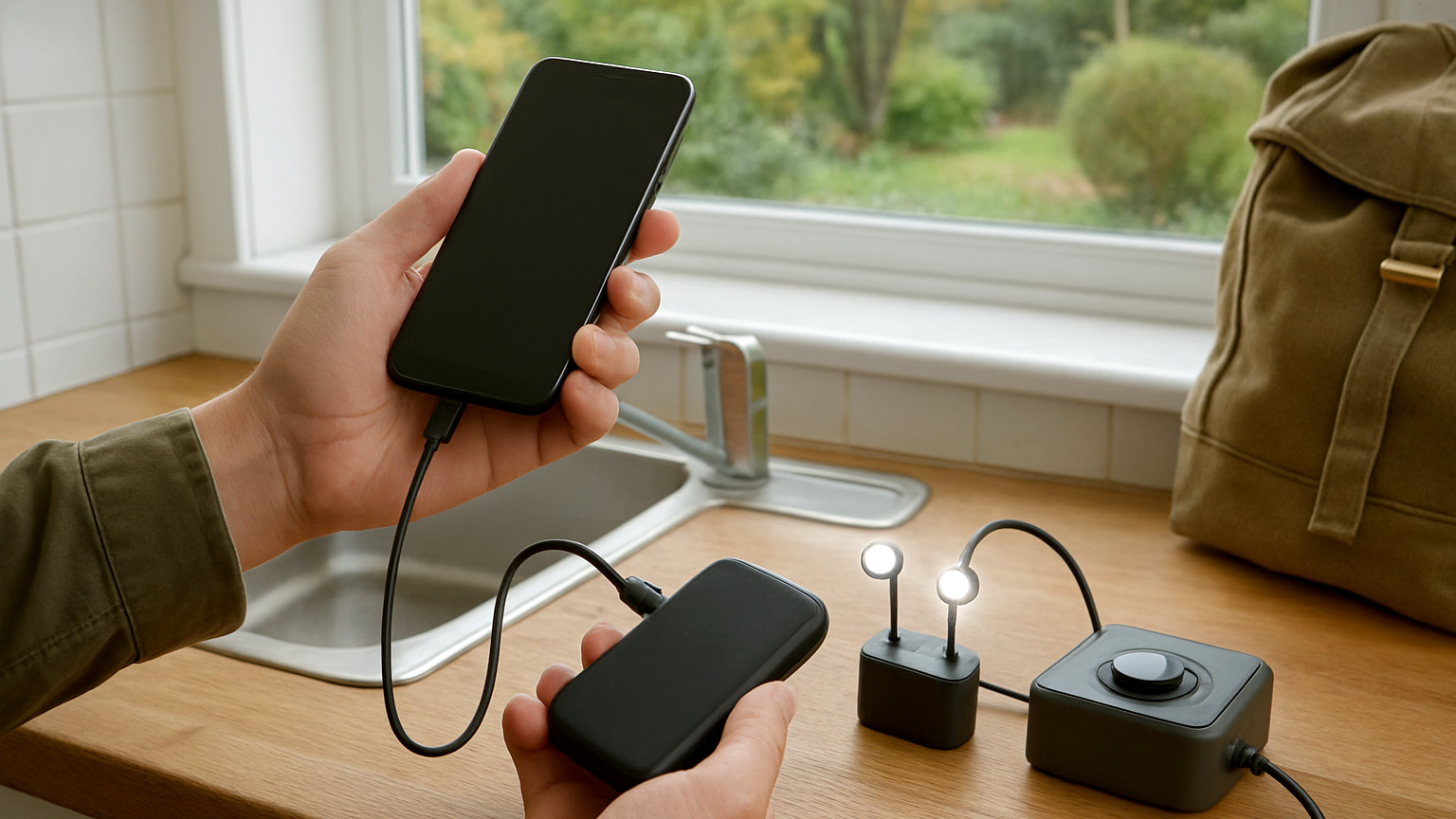
A great deal, and it is easy to run. Switch off the consumer unit for an evening and live normally. You will discover which torches have flat batteries, that the boiler does not work, that the cordless phone is dead, that nobody can find the radio, and that the tin opener is electric. Every one of these is trivial to fix in advance and genuinely annoying to discover during a real outage in February.
How do you practise with children?
Calmly and briefly, framed as a game rather than a warning. Small children respond well to short, matter of fact rehearsals and badly to lengthy discussion of what could go wrong. Focus on concrete actions: where to go, who to find, the number to call. Praise them for remembering rather than testing them for gaps, and keep each session short enough that it stays light.
What usually goes wrong?
Predictable things. The second escape route is blocked by furniture or a locked window with no accessible key. The meeting point is across a road a child should not cross alone. Nobody can find the stopcock. The out of area contact has changed their number. The grab bag contains expired medication and a phone charger for a phone nobody owns any more. Rehearsal finds all of these cheaply.
Should you involve neighbours?
Where you can. Knowing which neighbour has a key, who would check on an elderly resident, and who has a generator or a four wheel drive turns individual plans into something more robust. Some areas have community emergency plans coordinated through parish councils or Local Resilience Forums, which are worth finding out about, since they identify local risks and volunteers in advance.
What should you do after a drill?
Write down what failed and fix it within the week, then update the plan. A drill that identifies three problems and changes nothing has achieved less than not drilling, because it creates false confidence. Keep the list short and act on it immediately, while the inconvenience is still fresh enough to motivate the fix.
Should you time the drill?
Once, to calibrate expectations, then stop worrying about it. Timing a fire escape tells you whether the route works or whether something is blocking it, and it usually reveals that the plan takes longer than assumed. After that, repeated timing turns a useful habit into a stressful performance, particularly for children. The aim is that everyone knows the route and the meeting point, not that the household sets a record.
Two drills a year, one of them in the dark, and an evening with the power off. That is the whole programme, and it costs almost nothing.