Preparedness content tends to gravitate toward the dramatic, which is unhelpful because it makes the whole subject feel remote. The emergencies that actually affect British households are mundane, local and comparatively easy to prepare for.
What actually happens to British households?
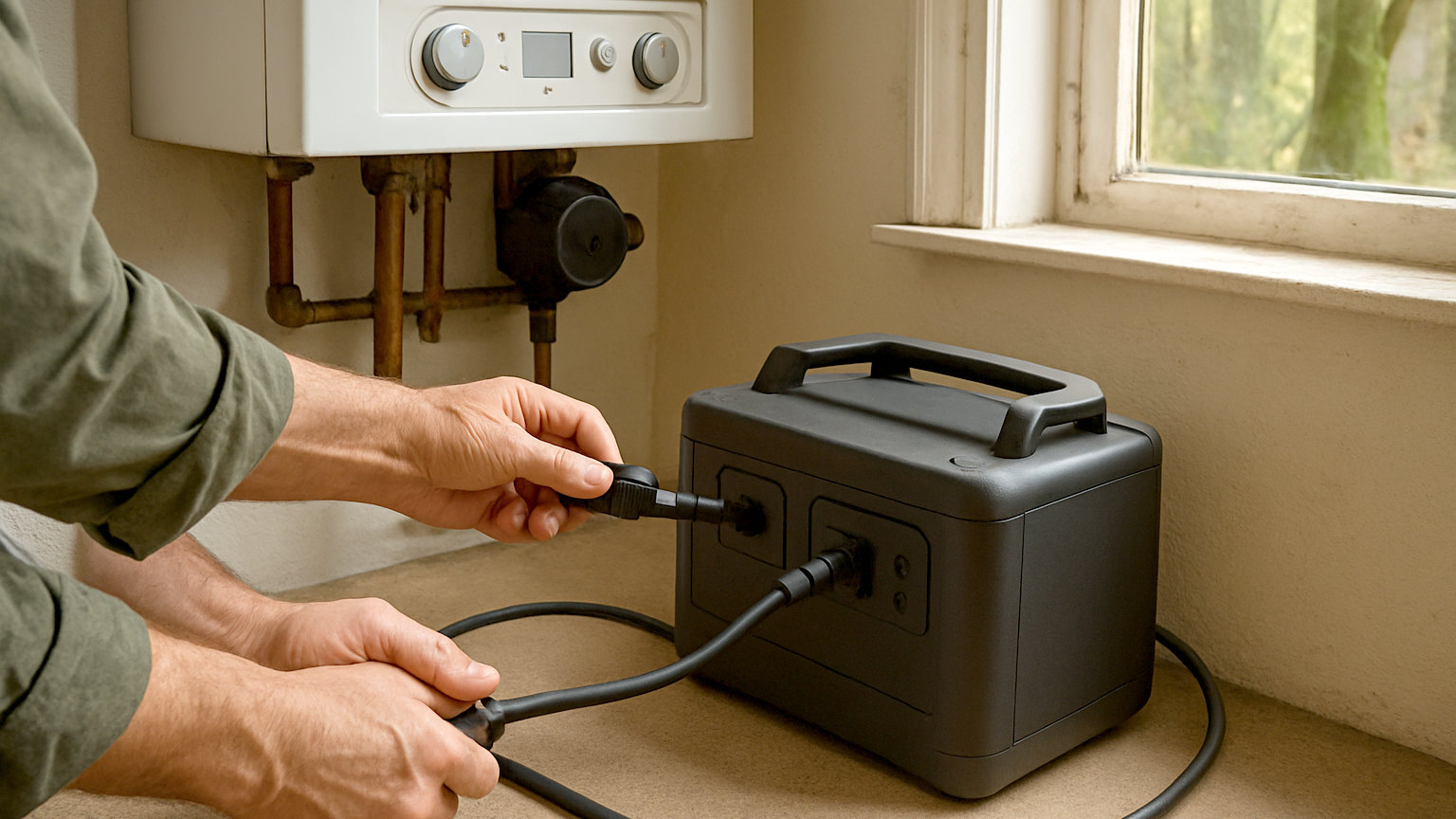
Power cuts, by a wide margin, particularly during winter storms. Burst water mains and boil water notices. Localised flooding, which affects hundreds of thousands of properties and threatens many more. Severe weather closing roads and schools. House fires. Gas leaks requiring evacuation of a street. Loss of internet and phone service. Illness in the household. These are the realistic list, and preparing for them is neither expensive nor eccentric.
How do you assess your own risk?
By looking at where you live. Check the official flood risk maps for your postcode, which cover rivers, sea and surface water separately. Note whether you are at the end of a rural power network, which correlates with longer outages. Consider proximity to industrial sites, major roads and railways carrying hazardous loads, and reservoirs. Your local authority and Local Resilience Forum publish a community risk register identifying the specific hazards planned for in your area.
- Power cuts, the most likely disruption for most households
- Water supply interruption and boil water notices
- Flooding from rivers, sea and surface water
- Severe weather closing roads and schools
- House fire, the most immediately dangerous
- Gas leak or local incident requiring evacuation
Why does preparing for the likely cover the unlikely?
Because the requirements converge. Water, food, light, warmth, communications, cash, medication and documents are needed in almost any disruption, regardless of cause. A household equipped for a three day power cut is substantially equipped for a flood, an evacuation or a wider emergency. This is why scenario specific planning is largely wasted effort compared with building general capability.
What about the rare and serious events?
They are worth understanding and not worth building your preparation around. Pandemics, industrial accidents and major infrastructure failures do occur, and the household response to each is broadly the same as for a power cut plus following official instructions. Governments including the United Kingdom publish civil resilience guidance covering these, and reading it once is sensible. Reorganising your life around them is not.
How long should you prepare for?
Official guidance generally suggests being able to manage for three days without outside help, with a week being a more comfortable target. Most disruptions in Britain resolve well within that. Beyond a week, you are into scenarios where the effort and cost rise steeply for diminishing likelihood, and where community and state response would normally have arrived.
What is not worth planning for?
Anything where the preparation would not help or where the scenario is speculative. Elaborate defensive preparations, long term self sufficiency and equipment bought for imagined collapse absorb money and attention that would be better spent on a decent torch, a week of food and water, and a written plan. The gap between households that are prepared and unprepared is almost entirely at the basic end.
Where should you start?
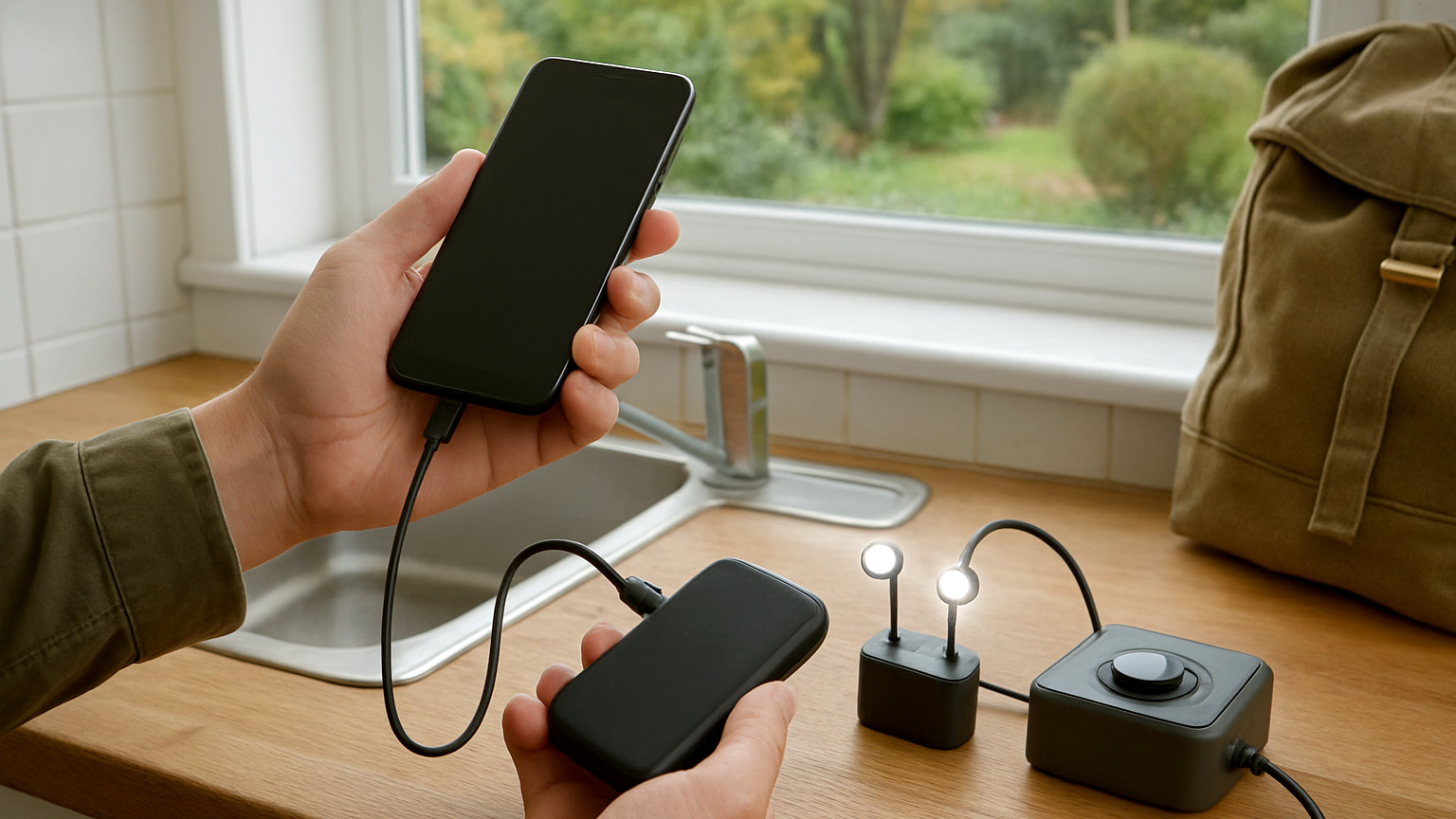
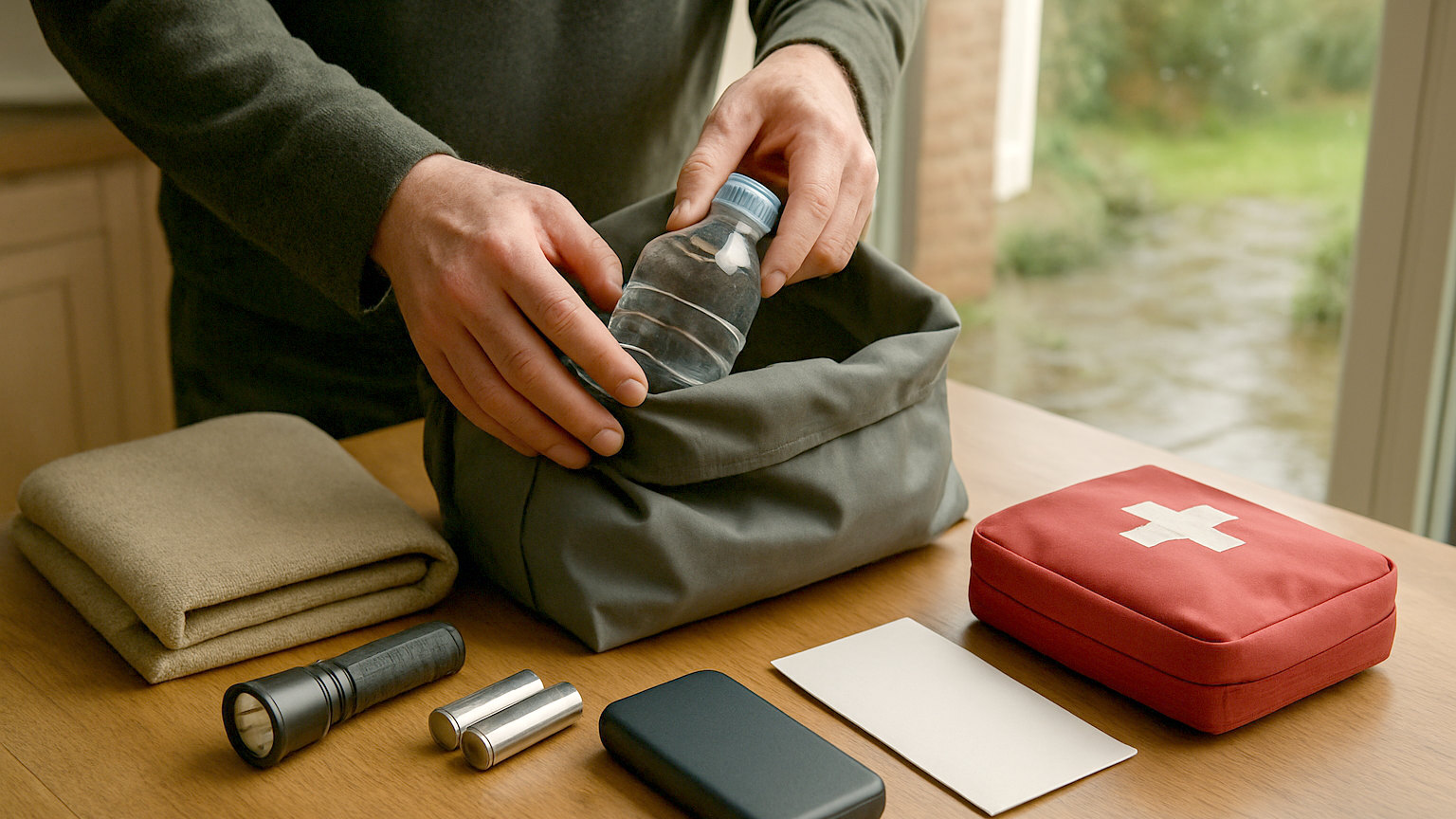
With a power cut, since it is the most likely and the preparation is cheap. Torches, power banks, a radio, warm layers, food needing no cooking, and 105 saved in your phone. Then water storage, then the written plan, then the grab bag. That sequence gives the greatest return for the least money and effort.
Does where you live change the answer?
Considerably, and it is the main reason to check rather than copy a generic list. A flat in a city centre faces different risks from a farmhouse at the end of a rural power line. Coastal properties face tidal flooding and wind, upland properties face snow and isolation, and homes near industrial sites or major transport routes face incident related evacuation. Ten minutes on the flood maps and your council risk register tells you which of the general list deserves most of your attention.
Check your flood risk, read your local risk register once, and prepare for a week without power. That covers the overwhelming majority of what will ever happen.