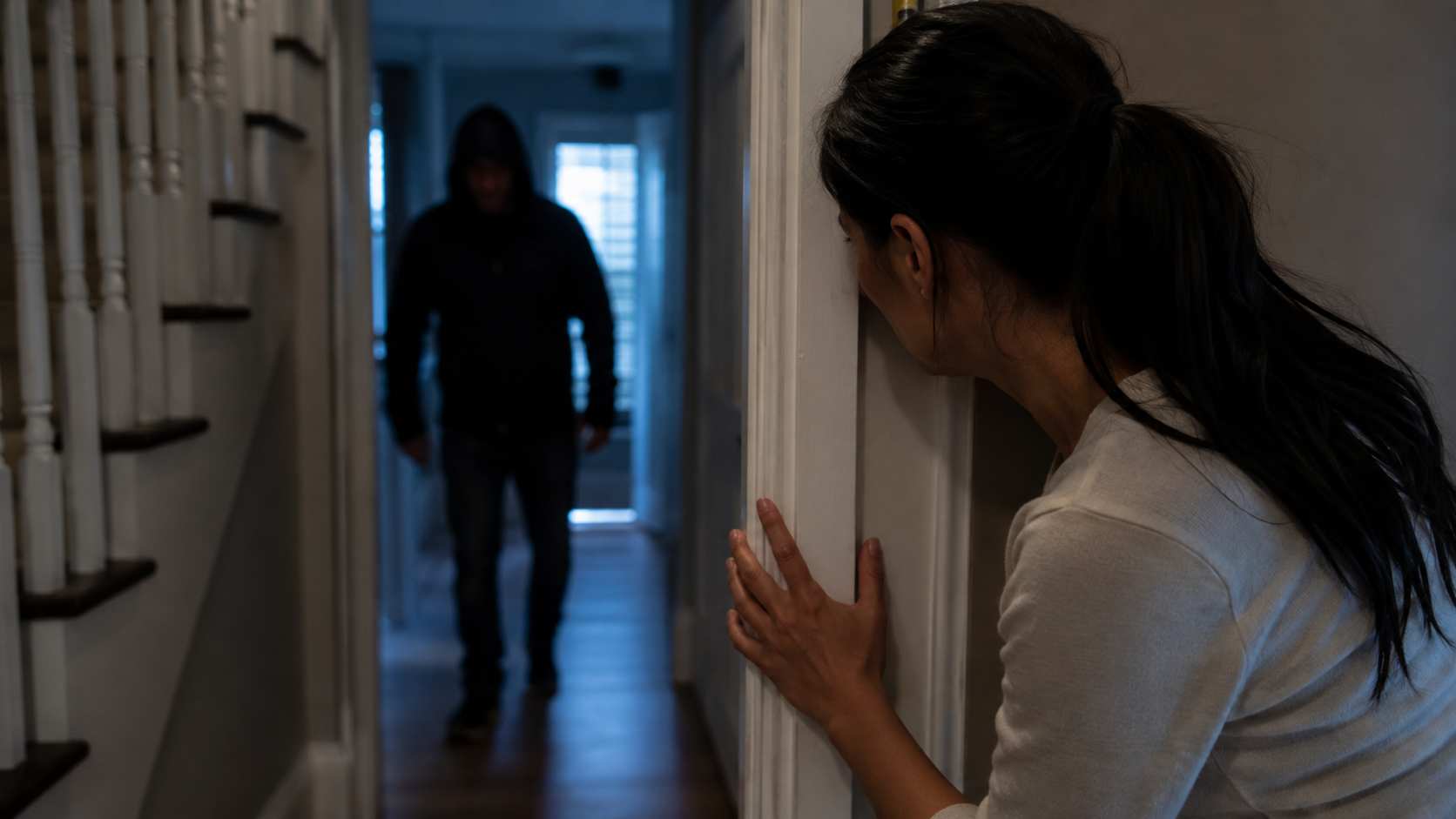
Separation is the normal state of a household during the working day, and an emergency rarely waits until everyone is home. Agreed meeting points solve the reunion problem without depending on phones working.
Why do you need two?
Because they solve different problems. The first is immediately outside the house, for events such as a house fire where everyone needs to get out and be accounted for quickly. The second is well outside the immediate area, for events such as a flood, a gas leak or an evacuation where the house and its surroundings are unavailable. A household with only one meeting point will find it is the wrong one about half the time.
What makes a good first meeting point?
Somewhere visible, safe and close, that everyone can reach in seconds without crossing a road. A specific tree, a neighbour driveway, a particular lamp post or the end of the path. It should be far enough from the building to be safe from fire and smoke and close enough that nobody has to think about getting there. Fire services advise agreeing this as part of a home fire escape plan, and the point of it is accounting for everyone before anyone considers going back in.
- First point, immediately outside, visible and reachable in seconds
- Second point, well outside the area, reachable on foot or by public transport
- Choose specific landmarks, not vague areas
- Make sure children helped choose them and can find them alone
- Pick somewhere open and public rather than private property
- Agree how long to wait and what to do if someone does not arrive
What makes a good second meeting point?
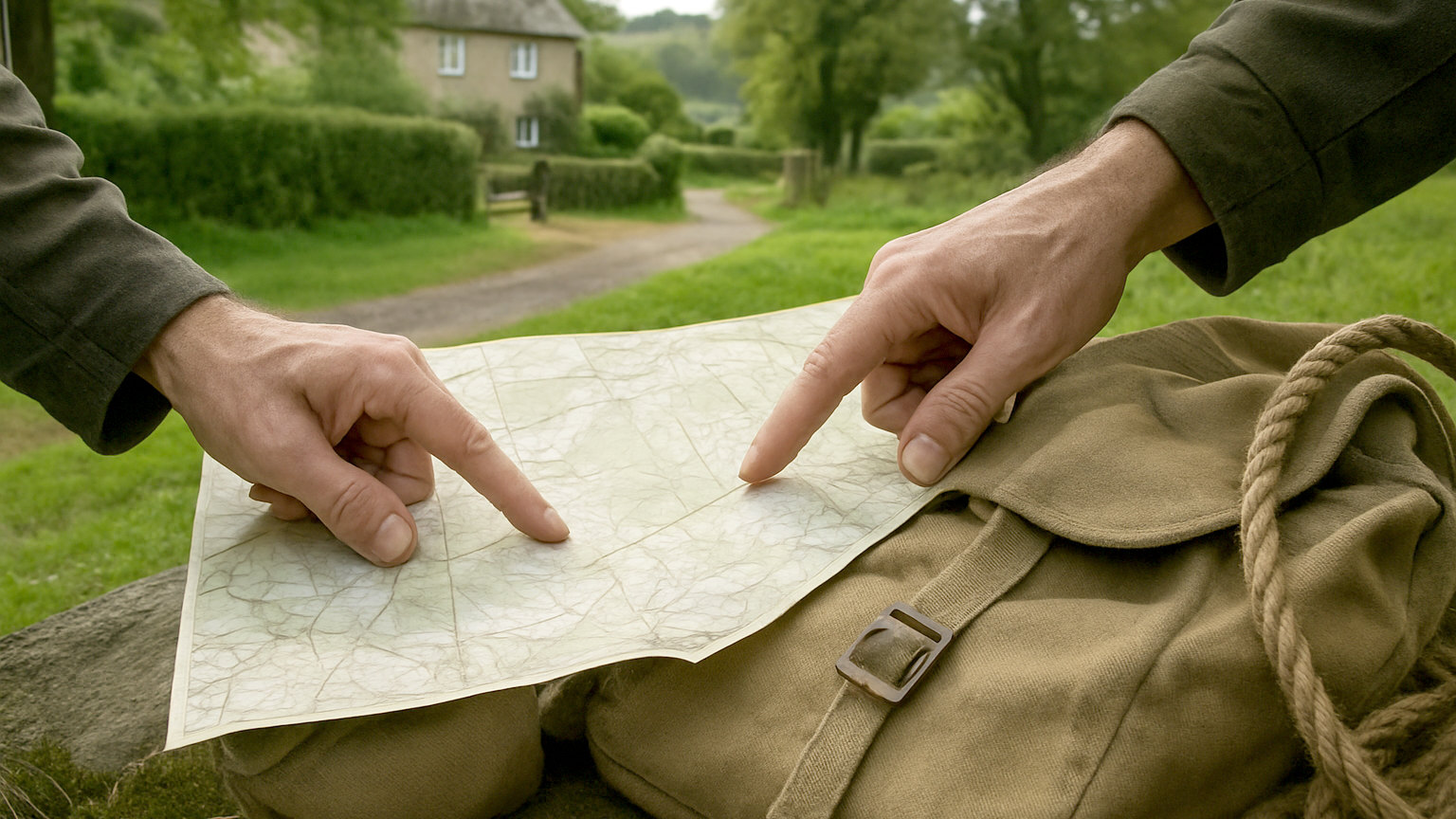
Distance, accessibility and permanence. A relative house in another part of town, a supermarket car park, a library, a leisure centre or a well known landmark all work. It should be reachable without a car, since roads may be closed and vehicles may be unavailable, and it should be somewhere that will still exist in five years. Avoid places that close, such as a specific shop or a pub, and avoid anywhere that requires a code or a key.
Should children be involved in choosing?
Yes, and it matters more than it sounds. A child who helped pick the meeting point remembers it, understands why it was chosen, and is far more likely to go there than to a place assigned to them. Walk the route together, more than once, so that finding it is familiar rather than a problem to solve while frightened. Make sure they know it by a name they use rather than by an address.
How long should you wait?
Agree it in advance rather than deciding in the moment. A common arrangement is to wait an hour at the first point and then move to the second, leaving a note if possible. Decide who is responsible for waiting and who goes to look, and agree that nobody re-enters a building for any reason. Having this settled beforehand prevents the paralysis of not knowing whether to stay or go.
What about rest centres?
Local authorities open rest centres during larger incidents, providing shelter, warmth, food and information, and their locations are usually publicised through local radio, council websites and social media at the time. They are not fixed in advance, so they cannot serve as your agreed meeting point, but knowing they exist and how your council announces them is worth including in the plan.
What should you leave behind?
A note, if it is safe to do so. A message taped inside the front door or left in an agreed place saying who has gone where and when, resolves an enormous amount of uncertainty for anyone arriving later. Include the time, which is the detail people forget and the one that matters most to anyone trying to work out what happened.
Agree two specific points, walk to them with the children, decide how long to wait, and leave a note with the time on it.