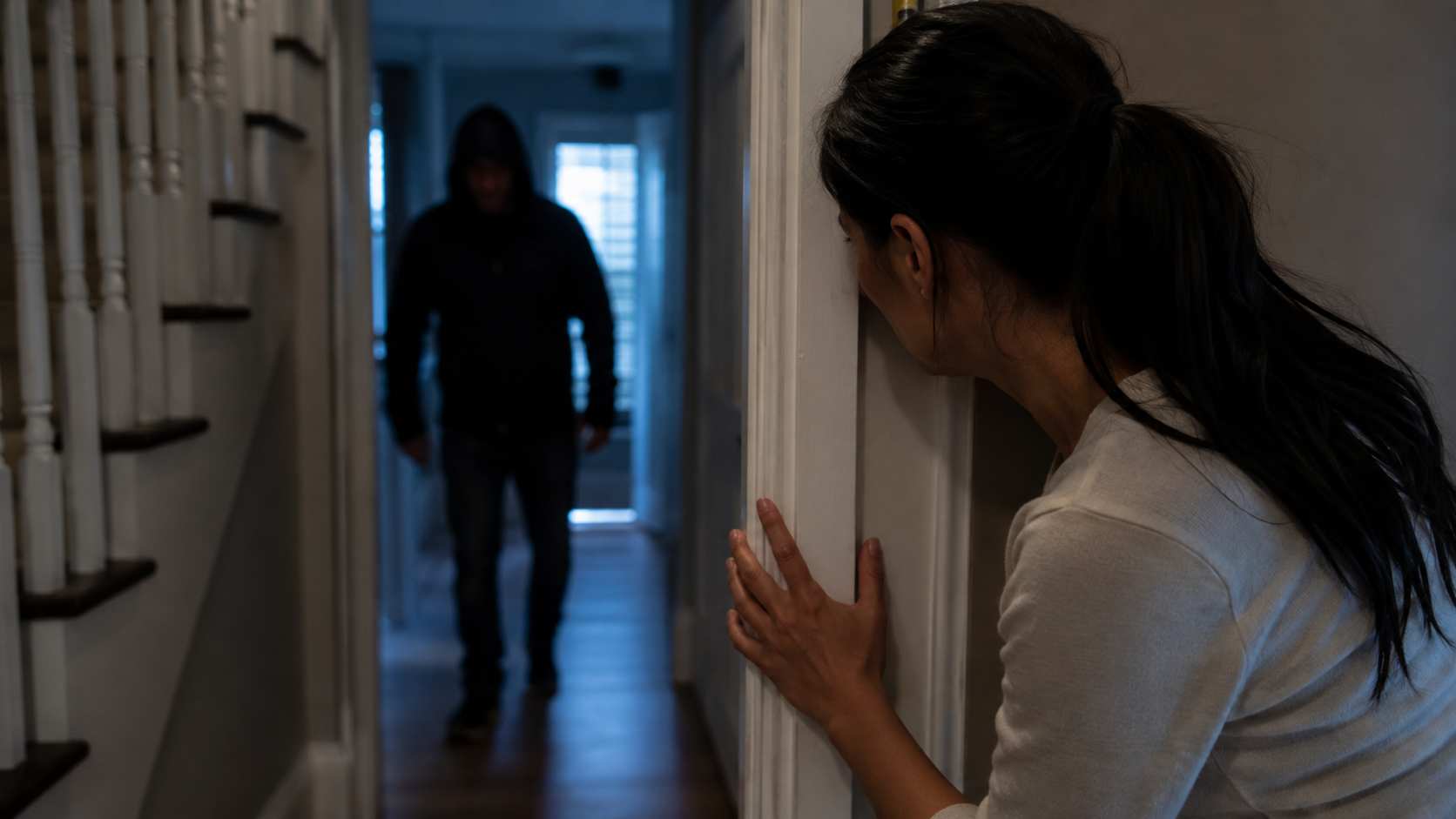
Almost everyone has a vague sense of what they would do in an emergency. Very few households have anything written down, and the difference matters because the person holding the plan in their head is frequently the person who is absent, injured or unreachable when it is needed.
Why does it need to be written?
Because emergencies remove the things an unwritten plan depends on. Phones fail, people are at work or school, and stress degrades recall sharply. A written plan works when a fourteen year old is alone in the house, when a neighbour is helping, or when the person who devised it cannot be contacted. The test is whether someone who was not part of the conversation could follow it unaided.
What should it actually contain?
Less than people expect. Emergency contact numbers including an out of area contact. Two meeting points, one close to home and one outside the immediate area. The location of the stopcock, fuse box and gas shut off. Details of anyone with medical needs and what medication they take. Insurance policy numbers. School and workplace emergency procedures. And a short list of what to grab if you have ten minutes to leave.
- Emergency numbers, including one contact outside your area
- Two meeting points, near home and further away
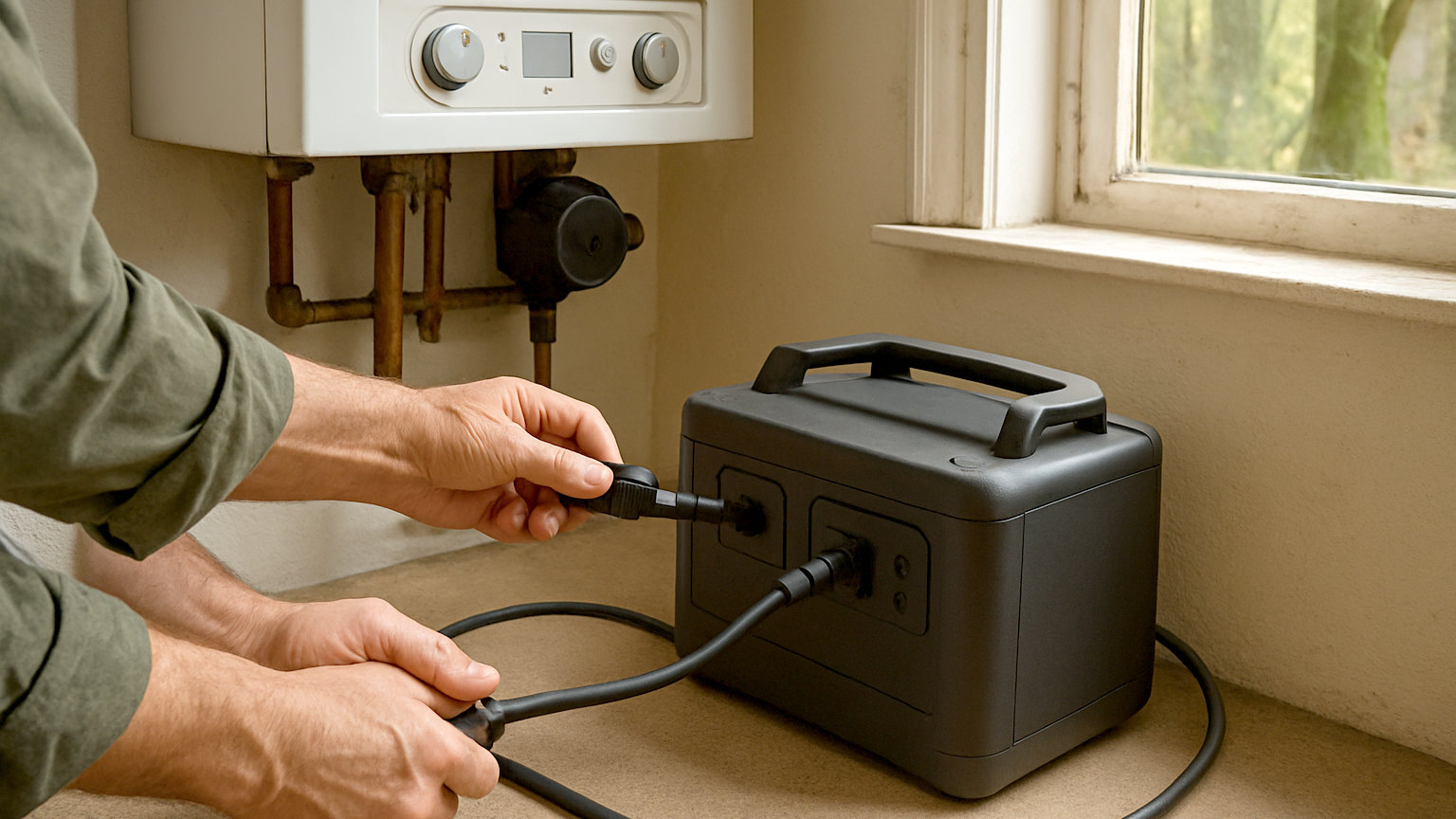
- Location of water, gas and electricity shut offs
- Medical needs, medication and NHS numbers
- Insurance details and key document locations
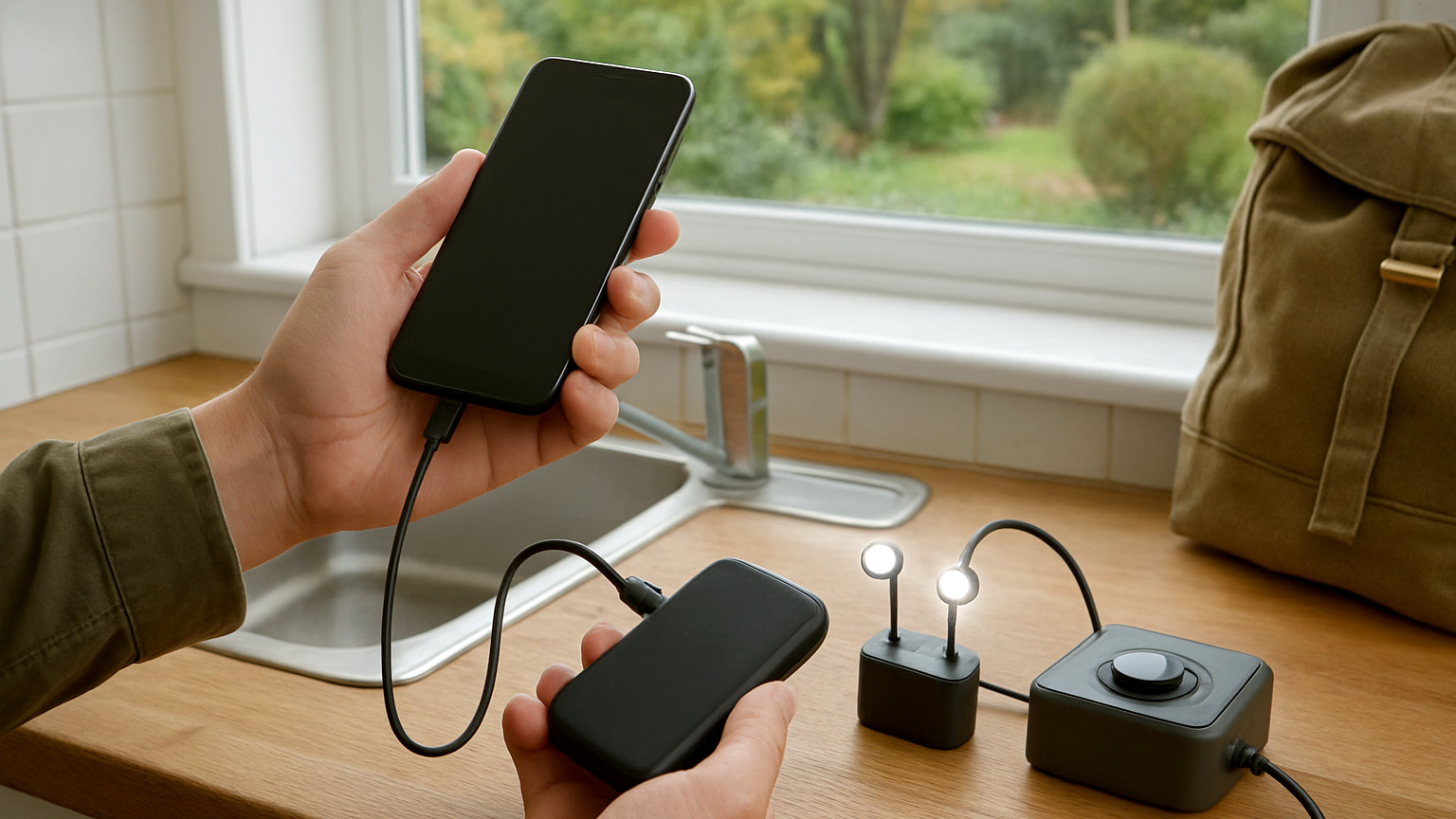
- What to take if you have ten minutes to leave
- Arrangements for pets, and for anyone needing help
Which emergencies should it cover?
The dull local ones, because those are what actually happen. A multi day power cut, a burst water main, a flood warning, a gas leak requiring evacuation, a fire, or a road closed in both directions. Preparing for these covers nearly everything a British household will experience, and the same groundwork handles rarer events. A plan built around dramatic scenarios usually fails on the practical detail that a mundane one gets right.
Where should you keep it?
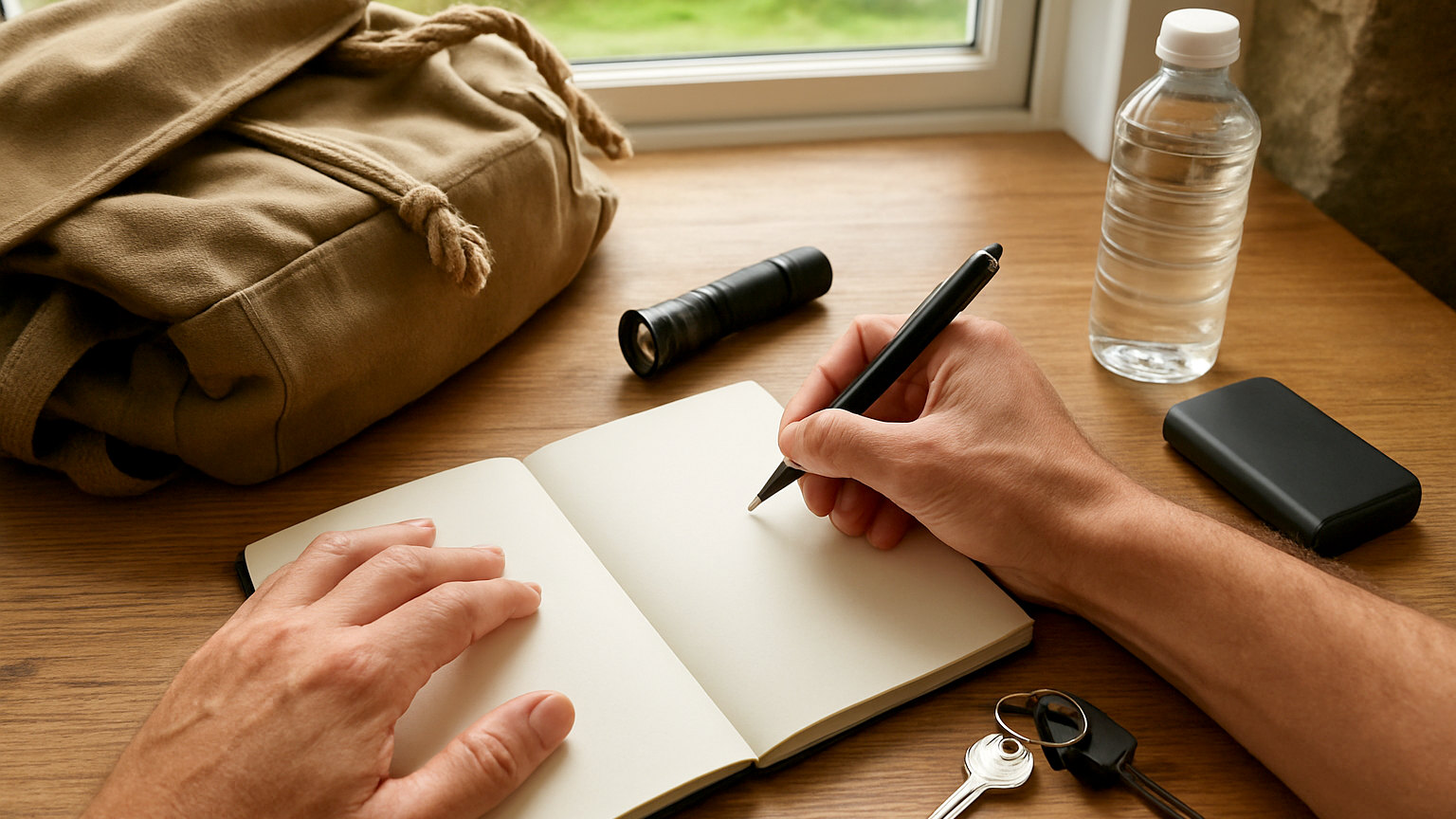
In several places, because a plan only accessible on a phone with a flat battery is not accessible. Print two copies, one by the fuse box or front door and one in the grab bag. Save a photograph on every household phone. Give a copy to the out of area contact. Some households keep a laminated card in each wallet with the essentials, which is more useful than it sounds when someone is away from home.
Who should be involved in writing it?
Everyone who lives there, including children old enough to understand. A plan imposed on a household is a plan nobody remembers, whereas one worked out together gets rehearsed in conversation and remembered. Children in particular should help choose the meeting points, since a place they picked is one they will actually go to.
How detailed should it be?
One or two sides of paper. A long document will not be read under pressure and will not be kept up to date. Aim for something scannable, with numbers and locations prominent and prose kept to a minimum. If you find yourself writing procedures for unlikely scenarios, you have gone too far, and the version that gets used is always the short one.
What is the official guidance?
The United Kingdom government runs a preparedness campaign providing free templates and checklists for household plans, and local authorities publish guidance through Local Resilience Forums, which coordinate emergency planning under the Civil Contingencies Act. Your local council website will list local risks, rest centre arrangements and flood information specific to your area, all of which is worth reading once while writing your own plan.
What is the most common mistake?
Writing it for the person who wrote it. Plans are routinely drafted by the household member most interested in preparedness, in their own shorthand, assuming knowledge everyone else lacks. The result is a document only its author can use, which defeats the purpose entirely. Hand the finished plan to someone else in the house and ask them to explain what they would do, without prompting them. Whatever they cannot answer is what needs rewriting.
Spend an evening on it, keep it to two pages, put a copy where you can find it in the dark, and tell everyone in the house where it is.