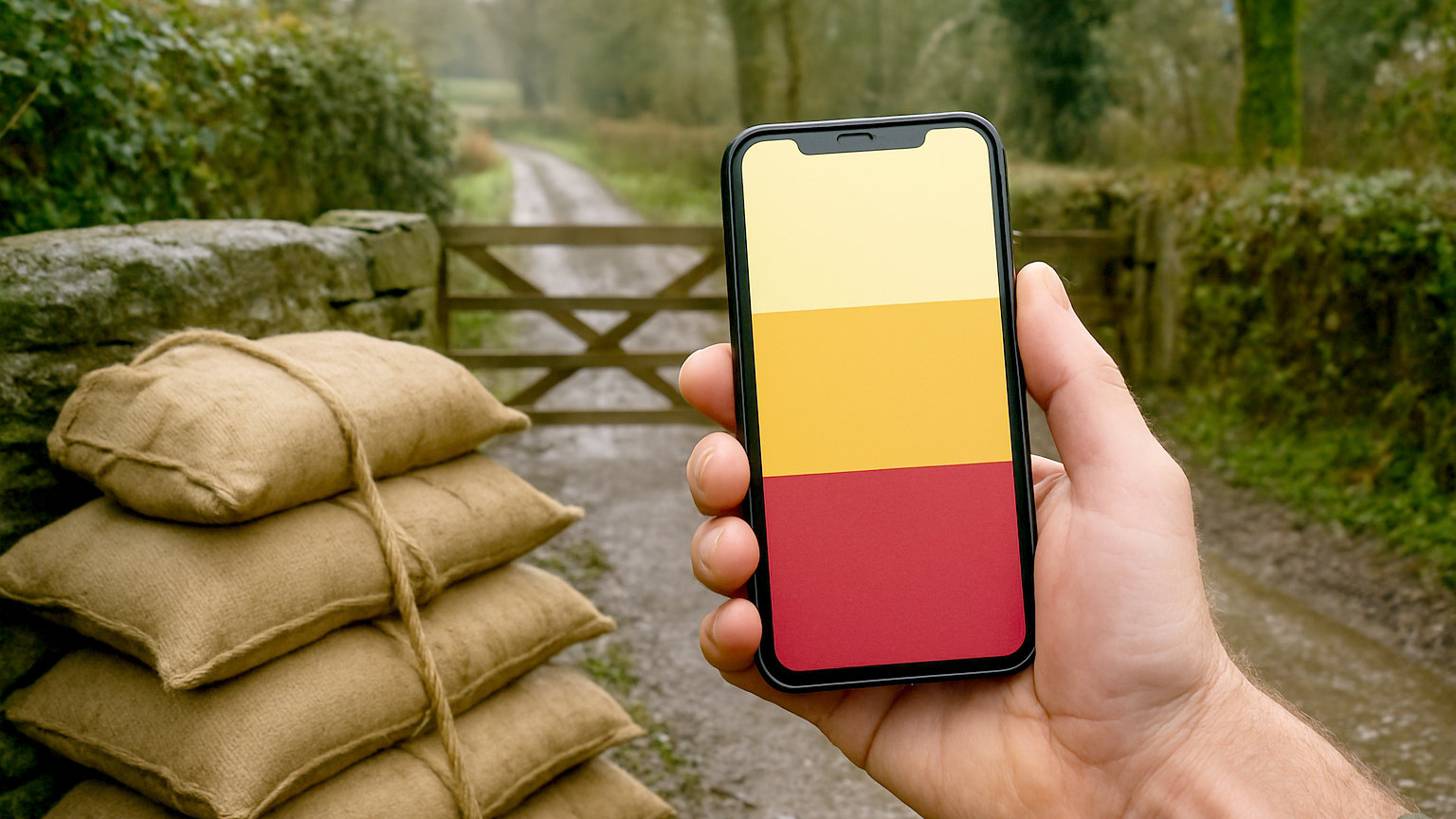
The naming of storms exists to make warnings more memorable and more widely shared, and it works. A named storm means a warning at amber level or above is expected, which usually gives several days of notice.
How does storm naming work?
The Met Office names storms jointly with the Irish and Dutch meteorological services, drawing from an annual list compiled partly from public suggestions. A storm is named when it is expected to cause medium or high impacts, meaning an amber or red warning. Naming has been shown to increase public awareness and the likelihood that people act on warnings.
What should you do outside?
Secure or store anything that can move. Trampolines are the classic problem and should be dismantled, weighted or tied down properly rather than turned on their side. Garden furniture, parasols, bins, plant pots, children toys, ladders and building materials all become projectiles. Check fence panels and gates, and secure anything on a balcony.
- Store or tie down trampolines, furniture, bins and loose items
- Park away from trees, walls and anything that could fall
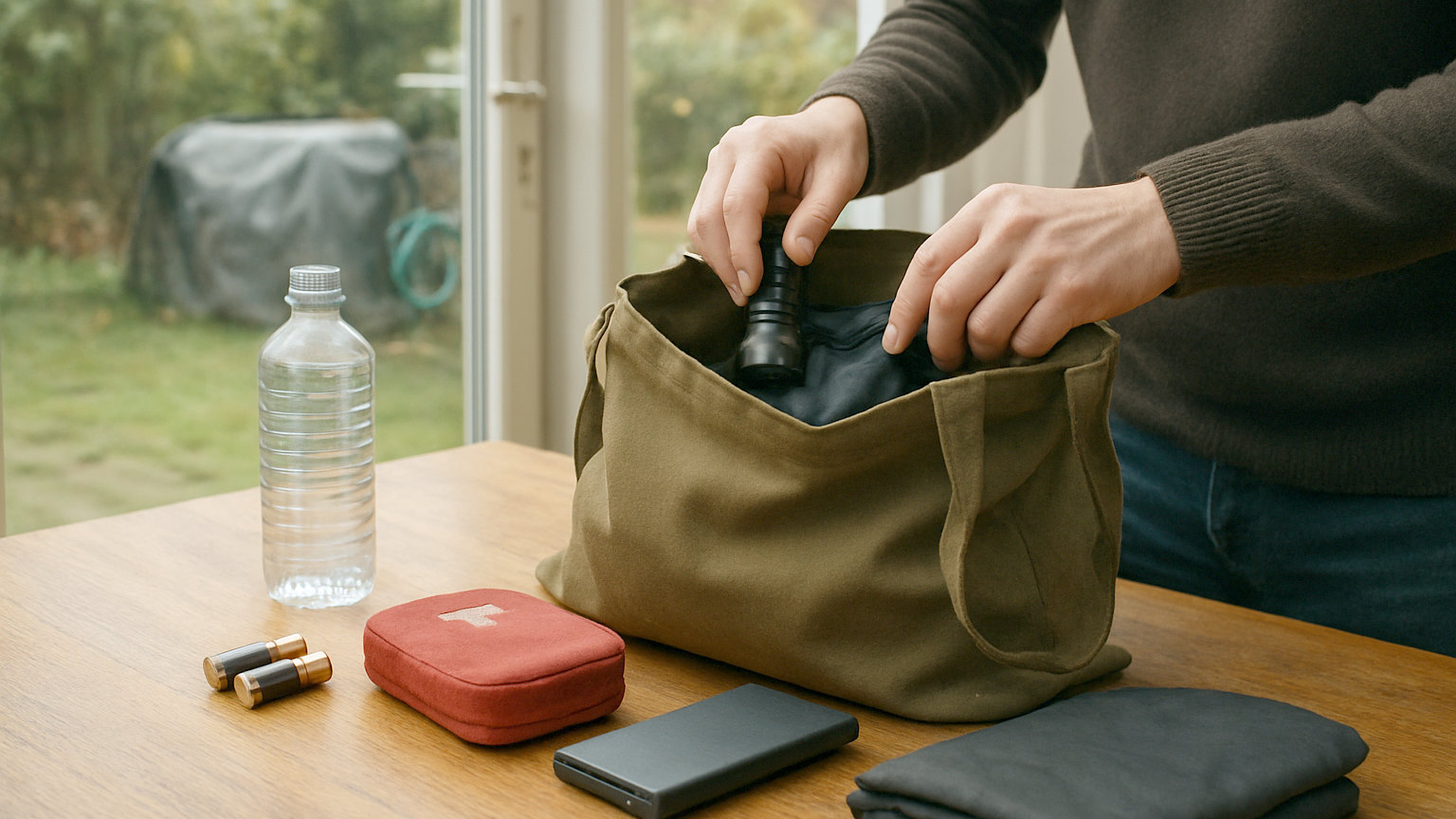
- Charge phones and power banks before it arrives
- Check on elderly or vulnerable neighbours
- Reconsider any journey during the warning period
- Do not go outside during the peak to fix anything
What about the car?
Move it before the storm, not during it. Park away from trees, walls, fences and anything that could fall, and away from areas that flood. If you have a garage, use it. Fill the tank, since fuel stations lose power. Storm damage to a vehicle from a falling tree is a comprehensive claim, and avoiding it entirely is easier than making one.
Should you travel?
Reconsider it at amber and avoid it at red. Rail services are frequently pre emptively cancelled or subject to speed restrictions, bridges close to high sided vehicles, and roads become blocked by fallen trees. Travelling during the peak of a named storm exposes you to falling debris and unpredictable conditions, and the journey is usually postponable.
What should you prepare indoors?
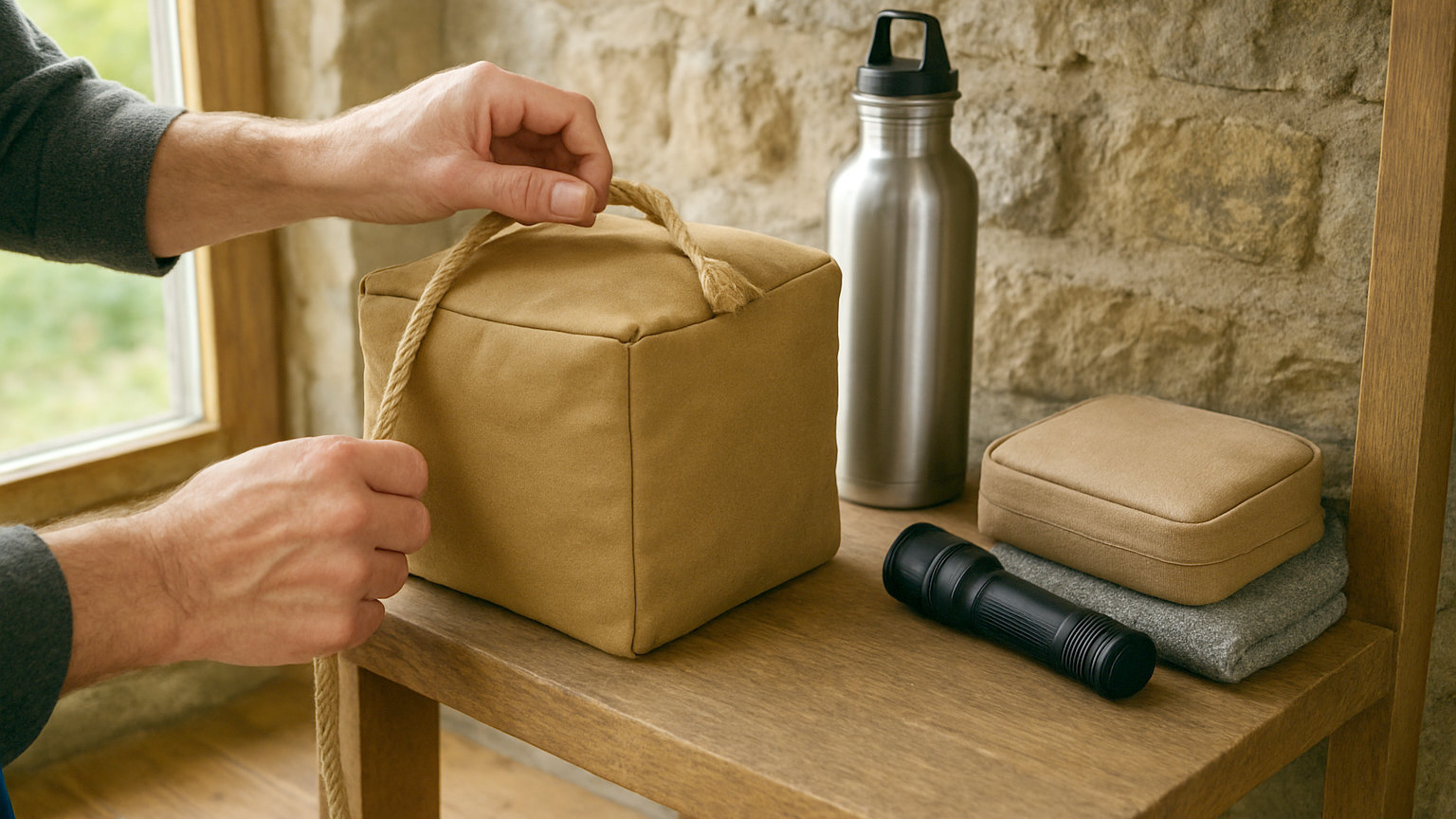
For a power cut, principally, since named storms are the most common cause. Charge phones and power banks, locate torches, check the battery radio, fill some water containers, and make sure you have food that needs no cooking. Know where your consumer unit and stopcock are. This is the standard power cut preparation and a storm warning is the ideal prompt for it.
What should you not do?
Go outside during the peak. People are injured every storm trying to secure something that has already started moving, retrieve a bin, or check a roof. Anything not secured before the wind arrives should be left. Also avoid coastal paths, piers and seafronts during storms, where waves and spray have killed people taking photographs.
What about after it passes?
Inspect carefully and cautiously. Check the roof from the ground with binoculars rather than climbing up, look for displaced tiles, damaged fences and fallen branches, and photograph anything damaged before touching it. Assume any fallen cable is live and stay well clear. Report damage to your insurer promptly and arrange emergency repairs to prevent further damage.
Who should you check on?
Elderly neighbours, anyone living alone and anyone dependent on powered equipment. A storm and the outage that follows affect those households disproportionately, and a knock on the door before it arrives is worth more than one afterwards. This is also the moment to exchange numbers if you have not already.
What about the days afterwards?
Expect disruption to continue well past the storm itself. Fallen trees block roads and railways for days, power restoration in rural areas can take longer than the outage was expected to last, and saturated ground brings further trees down in the following weeks with much less wind. Plan on the disruption outlasting the weather rather than assuming normality returns as soon as the warning expires.
Secure everything outside before it arrives, move the car, prepare for a power cut, postpone travel, check on neighbours, and stay in during the peak.