Lightning kills very few people in Britain each year and injures rather more, and almost all of those affected were outdoors with somewhere safer available. The precautions are simple and the timing rule is worth knowing precisely.
How big is the risk?
Small in absolute terms. Britain sees a handful of lightning deaths in a typical year and several dozen injuries, which is low compared with most weather hazards. That said, the consequences of a strike are severe, the precautions cost nothing, and the risk is concentrated in specific circumstances rather than spread evenly, which makes it worth taking seriously when those circumstances apply.
Who is at risk?
People in the open with no substantial shelter nearby. Hill walkers on ridges and summits. Golfers, anglers and people on open water. Anyone sheltering under an isolated tree, which is among the most dangerous things you can do. People working outdoors. The common factor is being the tallest thing around or being close to something that is.
- Count the seconds between flash and thunder
- Under thirty seconds means seek shelter now
- Wait thirty minutes after the last thunder before returning
- A building or a hard topped vehicle is safe
- Never shelter under an isolated tree
- Get off high ground and away from water
What is the thirty thirty rule?
Two numbers. If the gap between seeing the flash and hearing the thunder is less than thirty seconds, the storm is within about ten kilometres and you should seek shelter immediately. After the last clap of thunder, wait thirty minutes before going back out. The second half is the one people skip, and strikes occur from the trailing edge of storms after the rain has stopped.
Where is genuinely safe?
Inside a substantial building, or inside a hard topped vehicle with the windows closed. A car protects you because the metal shell conducts the current around the occupants rather than through them, which is why convertibles and open vehicles do not. Sheds, tents, bus shelters and open sided structures offer no protection.
What should you avoid?
Being the highest point, and being near the highest point. Summits, ridges, open moorland and beaches. Isolated trees, which are struck preferentially and where current spreads through the ground around them. Metal fences, pylons, gates and wire, which conduct current a long way. Water of any kind. Also avoid touching plumbing or wired equipment indoors during a storm.
What if you are caught in the open?
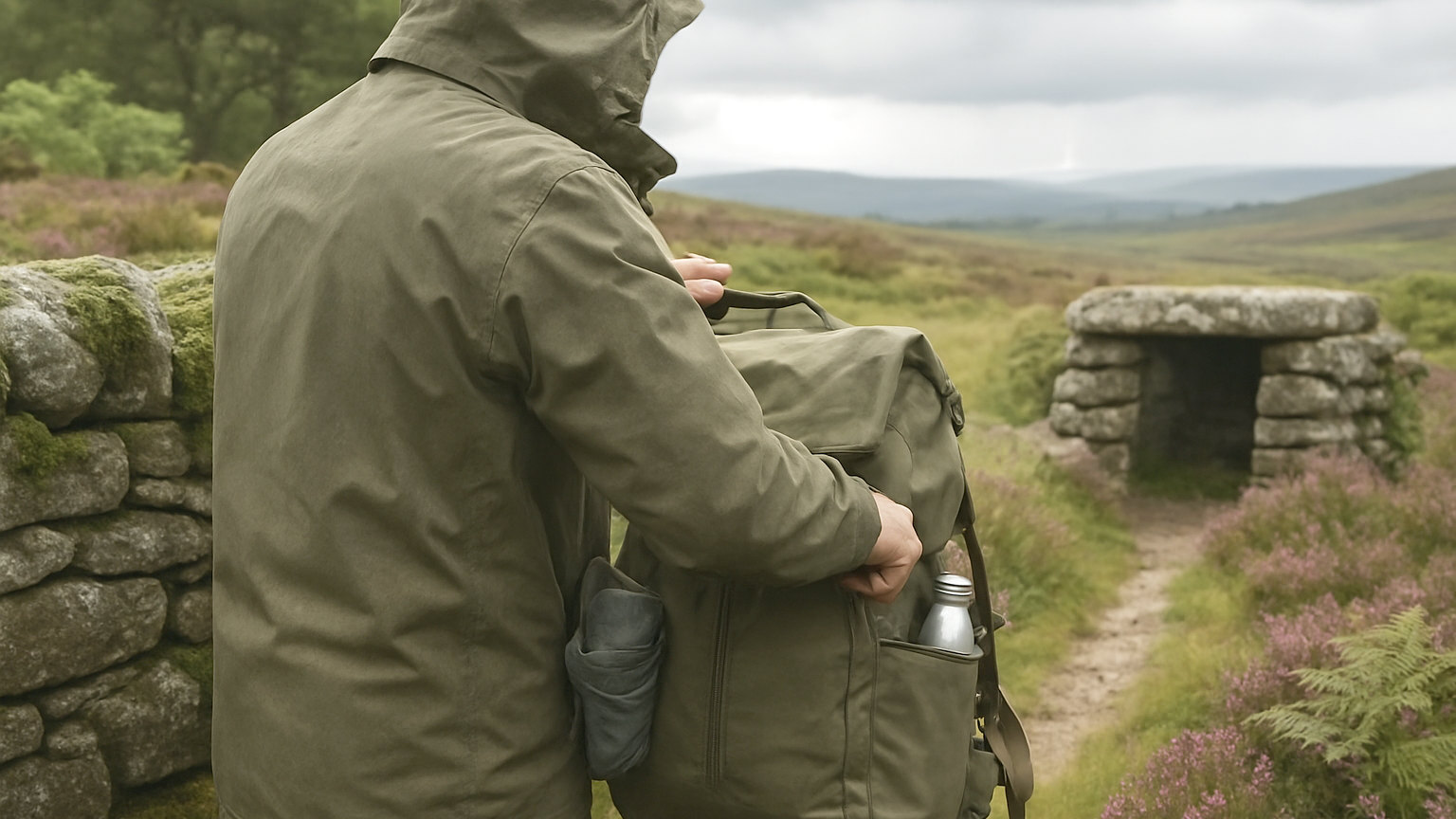
Get lower and smaller. Move off ridges and summits and away from isolated features. If you cannot reach shelter, crouch on the balls of your feet with your feet together and your hands off the ground, which minimises contact and reduces the path current could take through you. Do not lie flat, which increases contact with the ground where current spreads.
What about a group?
Spread out. If a group is caught in the open, separating by several metres means a single strike is less likely to affect everyone, which preserves the ability of some to help the others. Remove packs with metal frames and put down walking poles and ice axes, moving away from them rather than holding them.
What do you do for someone struck?
Approach and help immediately, since a person struck by lightning carries no charge and is safe to touch. Call 999. Cardiac arrest is the main cause of death, so start CPR if they are unresponsive and not breathing normally, and use a defibrillator if one is available. People have survived strikes with prompt resuscitation, which makes this genuinely worth knowing.
What about electronics indoors?
Unplug what you can before a storm arrives rather than during it. Surges travelling along mains, telephone and aerial cables damage equipment and occasionally start fires, and a surge protector helps with modest events rather than a direct strike. Avoid using corded phones and wired equipment during a storm, and keep away from plumbing, since older metal pipework can carry current through a building.
Use the thirty thirty rule, get inside a building or a car, never shelter under a lone tree, spread out if caught in the open, and resuscitate anyone struck.