Winter driving incidents follow a consistent pattern: normal speed, sudden input, no grip. Adjusting all three is what prevents them, and most drivers adjust only the first and not by enough.
What must you clear before driving?
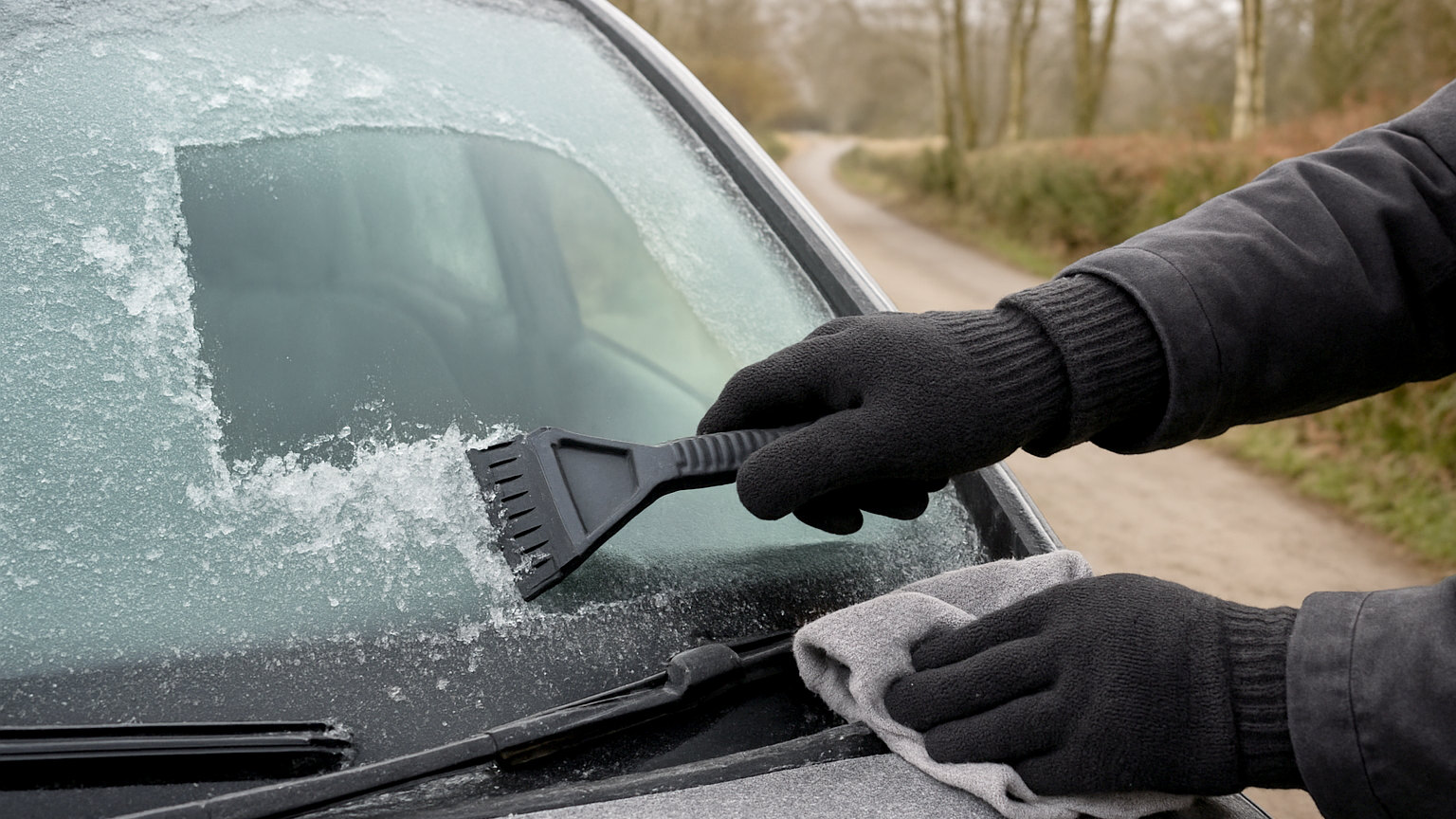
All the glass, the mirrors, the lights and the number plate, and the snow on the roof. Driving with a partially cleared windscreen is an offence, since you must have a full view of the road, and snow on the roof slides onto your windscreen under braking or onto the vehicle behind. Clearing properly takes a few minutes and is not optional.
How much do stopping distances change?
Dramatically. Braking distance roughly doubles on wet roads and can be up to ten times normal on ice. That means the gap that felt generous in summer is nowhere near adequate, and the usual advice is to leave at least ten seconds to the vehicle in front in ice and snow rather than the two second rule used in good conditions.
- Clear all glass, mirrors, lights, plates and the roof
- Leave up to ten times the normal following distance on ice
- Make every input gentle: steering, braking and acceleration
- Use a higher gear to pull away and reduce wheelspin
- Watch for black ice on bridges, shaded stretches and untreated roads
- Do not leave the engine running unattended to defrost
What does driving gently mean?
Every input slow and small. Accelerate progressively, brake early and lightly, steer smoothly, and change gear before you need to rather than mid corner. Grip is limited and asking for too much of it at once is what breaks traction. Pulling away in second gear reduces wheelspin on snow, and engine braking on a light throttle is gentler than the brake pedal.
Where is black ice most likely?
Bridges and flyovers, which cool from above and below. Shaded stretches under trees or beside high walls that never see sun. Untreated side roads and rural lanes. Anywhere water runs across the road. Early morning and late evening. The absence of visible snow makes people relax exactly where the risk is highest.
What do you do in a skid?
Ease off and steer where you want to go. Take your feet off both pedals, which restores grip, and steer gently into the direction of the skid rather than fighting it. Do not brake hard, which locks the wheels and removes steering. Modern cars with stability control recover far better if you let them, and violent correction is what turns a slide into a spin.
Are winter tyres worth it?
In terms of grip, considerably. Winter and all season tyres use compounds that stay pliable below about seven degrees, where summer tyres harden and lose grip regardless of tread. They improve braking and traction substantially in cold, wet and icy conditions. All season tyres are a sensible compromise for British conditions, avoiding the need to swap twice a year.
Should you drive at all?
Ask whether the journey is necessary during an amber or red warning. Rail and road conditions during severe winter weather change quickly, and being stranded in a vehicle overnight is a genuine risk in Britain. If you must go, tell someone your route and expected arrival, take the winter kit, and keep the tank above half.
What should be in the car?
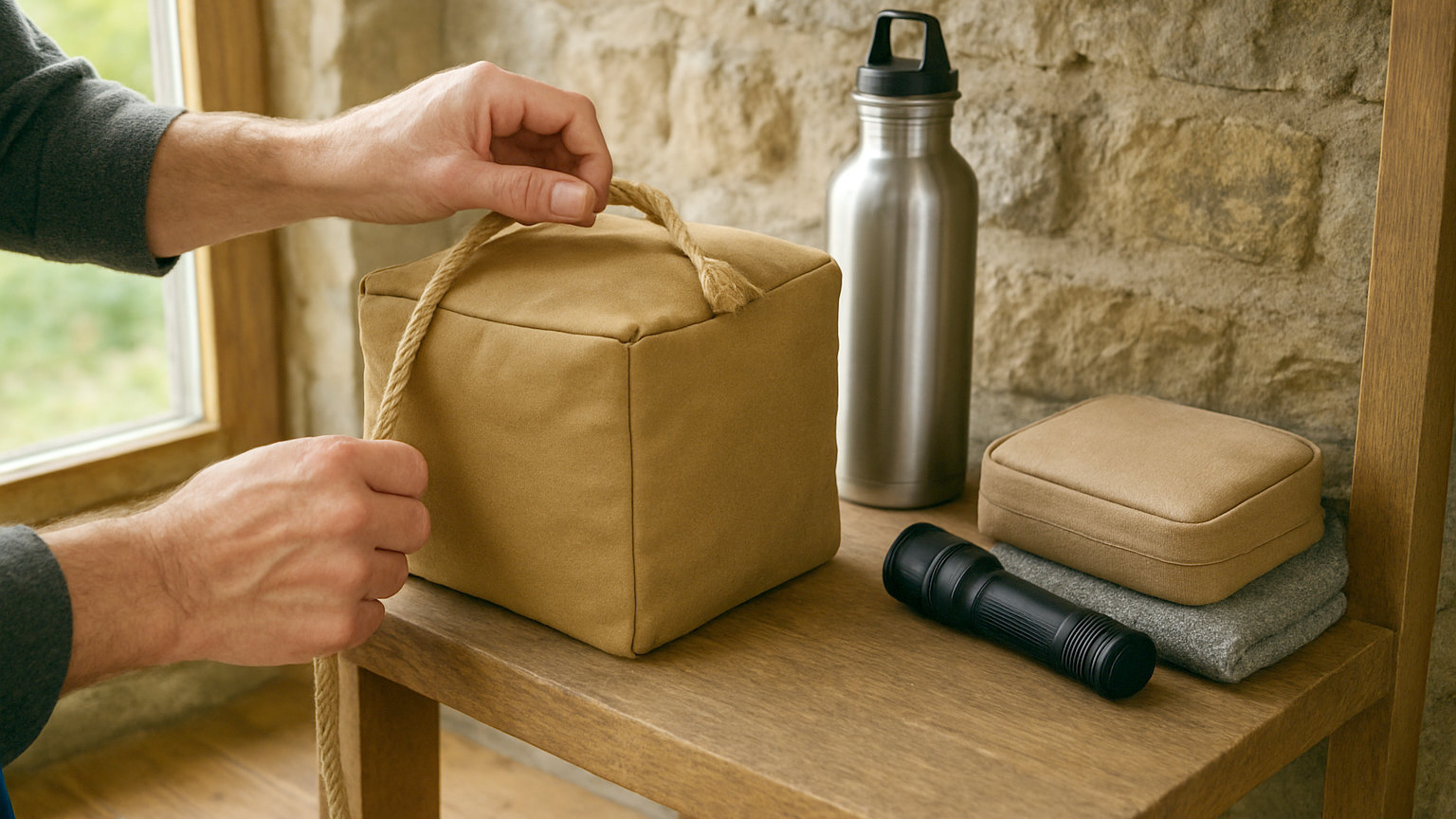
A blanket or sleeping bag, hat and gloves, warm layers, food and water, a torch, a phone charger, a shovel, an ice scraper, and something for traction under the wheels. Hi vis in the cabin rather than the boot. This is a small kit that turns being stranded from a serious situation into an uncomfortable one.
What if you get stuck?
Stay with the vehicle in almost every case, since it is shelter and it is what rescuers will look for. Run the engine sparingly for heat rather than continuously, and check the exhaust is clear of snow before each period, because a blocked exhaust fills the cabin with carbon monoxide. Keep a window slightly open while the engine runs, put on every layer you have, and call for help rather than setting off on foot.
Clear everything including the roof, leave far more space, make every input gentle, expect black ice on bridges and shade, and carry a winter kit.