Being unable to summon help is the scenario behind most emergency communications planning. Several routes remain open when the obvious one fails, and knowing them beforehand is what makes them usable.
Does 999 work without your own network?
Yes, and this is the most useful fact in the subject. Emergency calls in the United Kingdom can be carried by any operator with coverage in your location, not only your own provider. A phone showing no service may still connect to 999 through a different network. Always attempt the call regardless of what the signal display shows, because the display refers to your own provider.
What if the call will not connect?
Try emergency SMS, which needs far less signal than a call. It must be registered in advance by texting the word register to 999 and following the reply, which takes two minutes and is free. A text needs only a brief moment of connectivity and retries automatically, so it frequently sends from places where no call has connected. This is why it belongs on every walking and climbing checklist.
- Try 999 anyway, since any network can carry it
- Register for emergency SMS before you need it
- Move to higher ground or into the open if it is safe
- Use satellite messaging if your phone supports it
- Send someone for help only if there is no alternative
- Use the Silent Solution system if you cannot speak
Does moving help?
Frequently. Signal is blocked by terrain and buildings, so moving to higher ground, out of a valley, away from a hillside or simply outdoors and away from thick walls can make the difference. Hold the phone still once it finds signal rather than continuing to move. Do not put yourself at risk to gain coverage, and do not leave a casualty alone to do it unless there is no alternative.
What about satellite messaging?
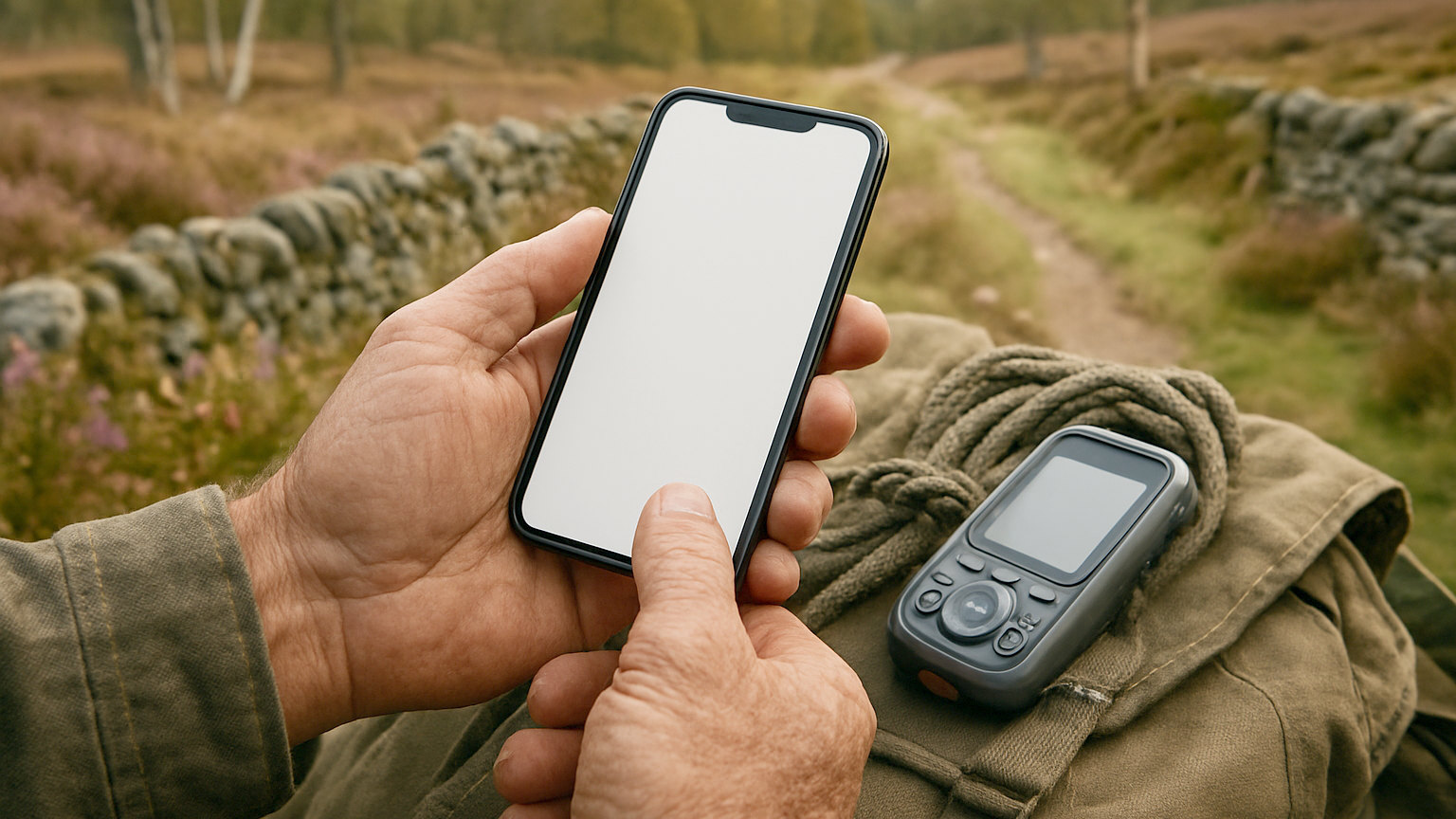
Increasingly available and genuinely useful. Recent smartphones from major manufacturers can send emergency messages via satellite in supported regions, requiring a clear view of the sky and some patience while the phone aligns. Dedicated satellite messengers and personal locator beacons do the same job more reliably and independently of your phone battery. Check whether your handset supports it before you need it.
What is the Silent Solution system?
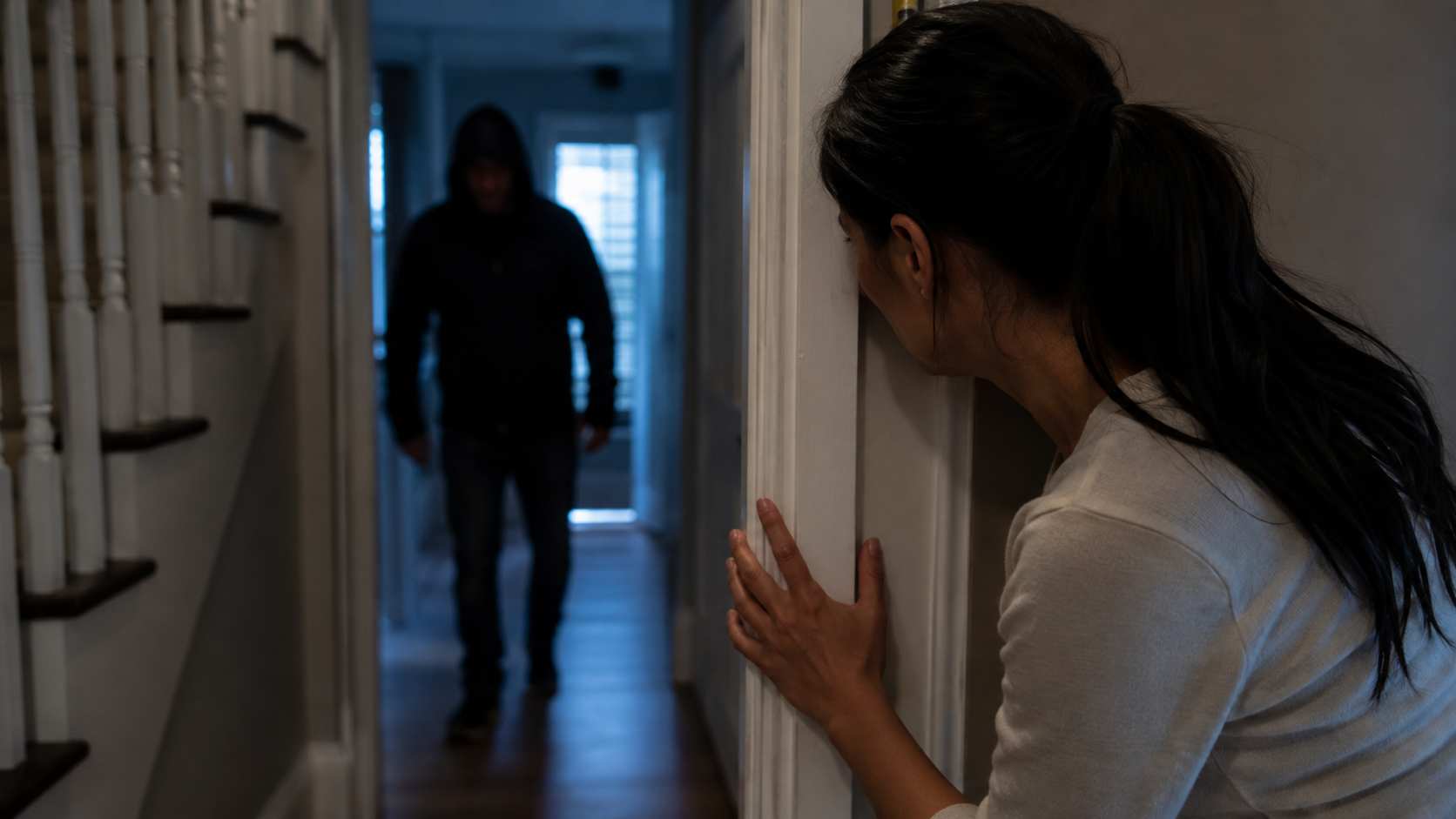
A route for people who can dial but cannot safely speak. Call 999, listen to the operator, and when prompted by an automated message press 55. This signals a possible genuine emergency and passes the call to police. Coughing or tapping the handset also indicates a live line. It does not work from landlines, and pressing 55 alone does not automatically summon help, so it is a fallback rather than a substitute.
Should you send someone for help?
Only as a last resort. Splitting a group carries real risk, and a person moving fast over rough ground in poor conditions may become a second casualty. If unavoidable, send two people where numbers allow, write down the location and casualty details so nothing is forgotten, and make sure those staying know the plan and can signal.
What should you have ready?
Your location, in a form you can state clearly. A grid reference from an app such as OS Locate, which works from GPS without any signal, or a what3words address, which UK emergency services use. Install both before you go and know how to read them. Have your phone battery preserved for this purpose rather than spent on anything else.
What if none of it works?
Fall back on physical signalling and on the fact that someone knows your plan. Six blasts on a whistle or six flashes of a torch per minute is the international distress signal. This is why leaving a route and a return time with a reliable person matters so much: without it, no search begins regardless of what you do.
Try 999 regardless of the display, register for emergency SMS now, install a grid reference app, and always leave word before you go.