Communication is the thing households most take for granted and the thing that fails earliest in an emergency. Building two or three layers costs almost nothing and removes the situation where nobody can reach anybody.
What fails first?
Mobile voice calls, usually from congestion rather than damage. Everyone in an affected area rings everyone else at once, and the local cells saturate long before the wider network does. Mobile data goes the same way. Broadband fails whenever the power does, since your router needs electricity even if the exchange has backup. Digital landlines fail for the same reason.
What are the layers?
Five, in rough order of accessibility. Text messages, which get through congestion where calls do not. An out of area contact acting as a relay. Broadcast radio, which needs nothing at your end but batteries. Handheld radios for short range contact within a group. And agreed physical arrangements such as meeting points and notes, which need no technology at all.
- Text rather than call during congestion
- Use an out of area contact as a relay
- Keep a battery or wind up radio for information
- Agree meeting points that need no communication
- Register for emergency SMS by texting register to 999
- Keep phones charged and use flight mode to conserve
Why does an out of area contact help?
Because congestion is local. Calls and texts leaving the affected area frequently connect when calls within it do not. A relative or friend fifty miles away can take messages from each household member and pass them on, which restores contact between people who cannot reach each other directly. Everyone should know the number by heart, including children.
What works with no network at all?
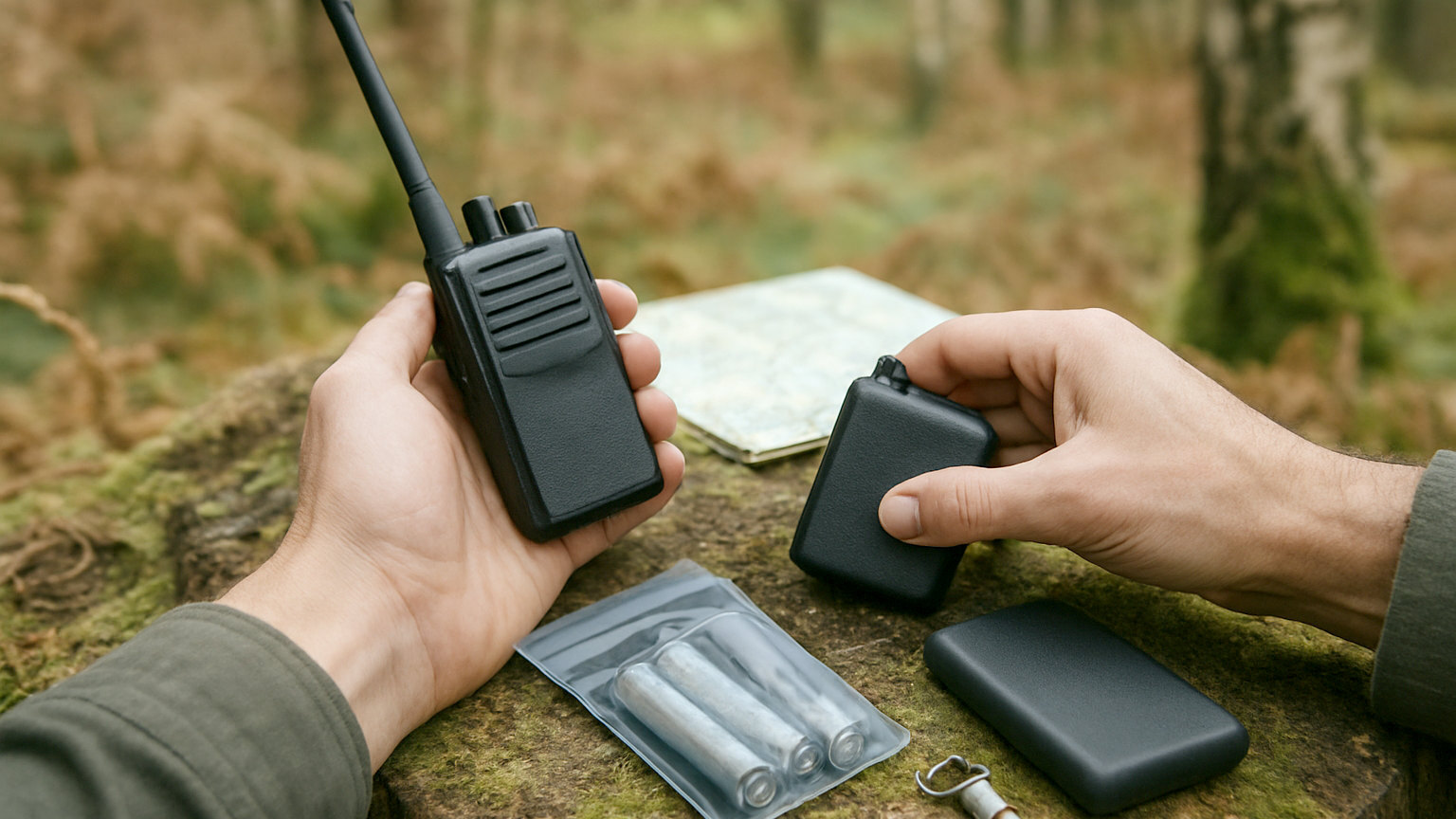
Broadcast radio, for receiving. Handheld radios, for talking within a group over a short distance. And the arrangements you made in advance: an agreed meeting point, a note left at home, a plan everyone knows. These are the layers that do not depend on infrastructure, and they are the reason a written household plan matters more than any device.
How long do mobile masts last without power?
Not long. Mast sites typically hold battery backup measured in hours rather than days, and only some have generators. In a widespread power cut, coverage therefore degrades progressively over the first day even where nothing is damaged. This is worth knowing because it means mobile service can disappear well after the outage begins, when people assume it is stable.
What should you agree in advance?
Who contacts whom, in what order, and by what means. A simple rule such as text the out of area contact first, then go to the meeting point if you cannot reach anyone, removes the improvisation that otherwise wastes battery and time. Write it into the household plan alongside the numbers.
How do you make a phone last?
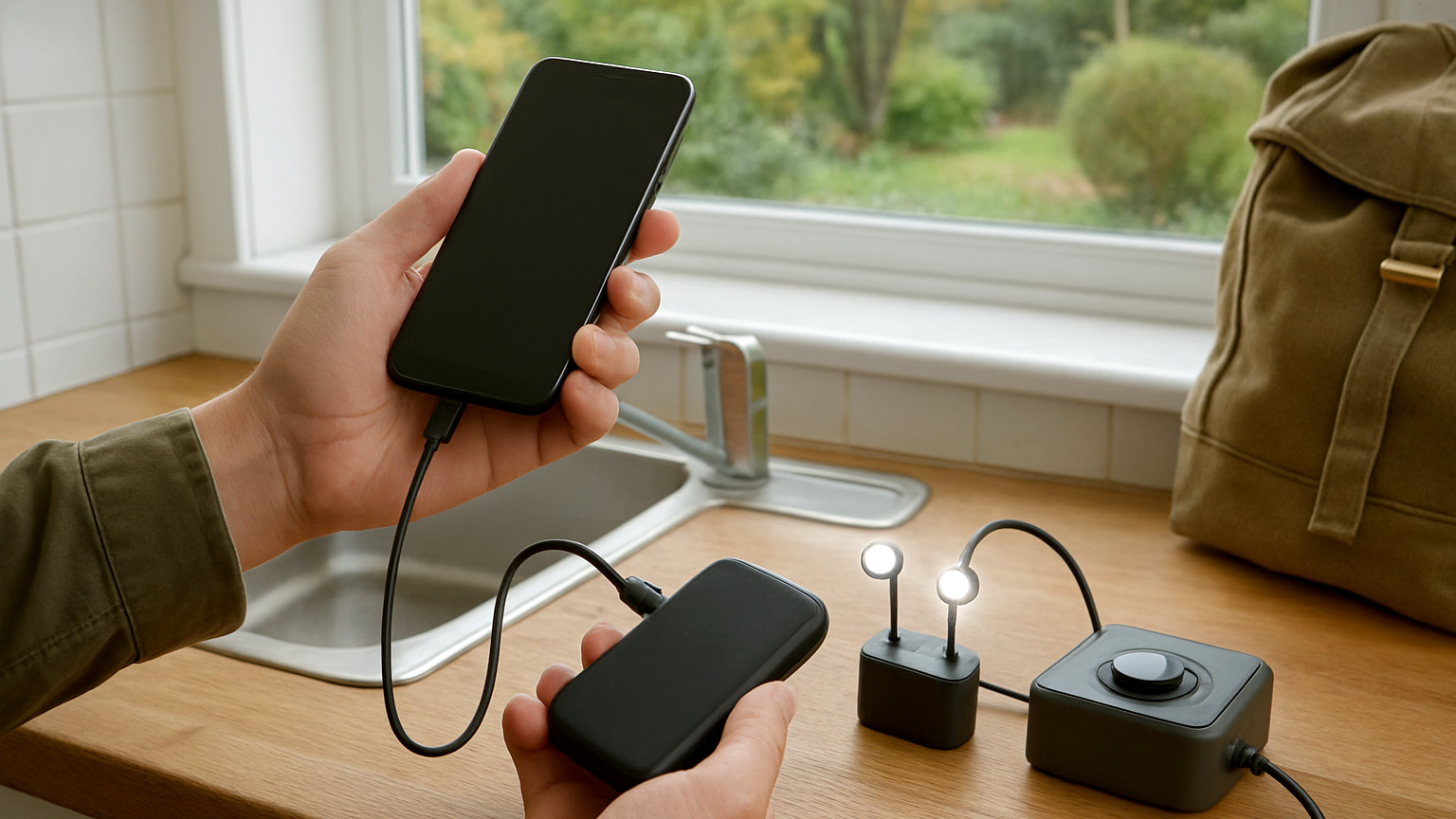
By cutting what drains it. Searching for signal is the single biggest consumer, so flight mode with brief periods switched on saves an enormous amount. Reduce brightness, close background apps, stop streaming, and use low power mode. Nominate one household phone to stay on for calls and alerts while the others are off entirely.
What is worth buying?
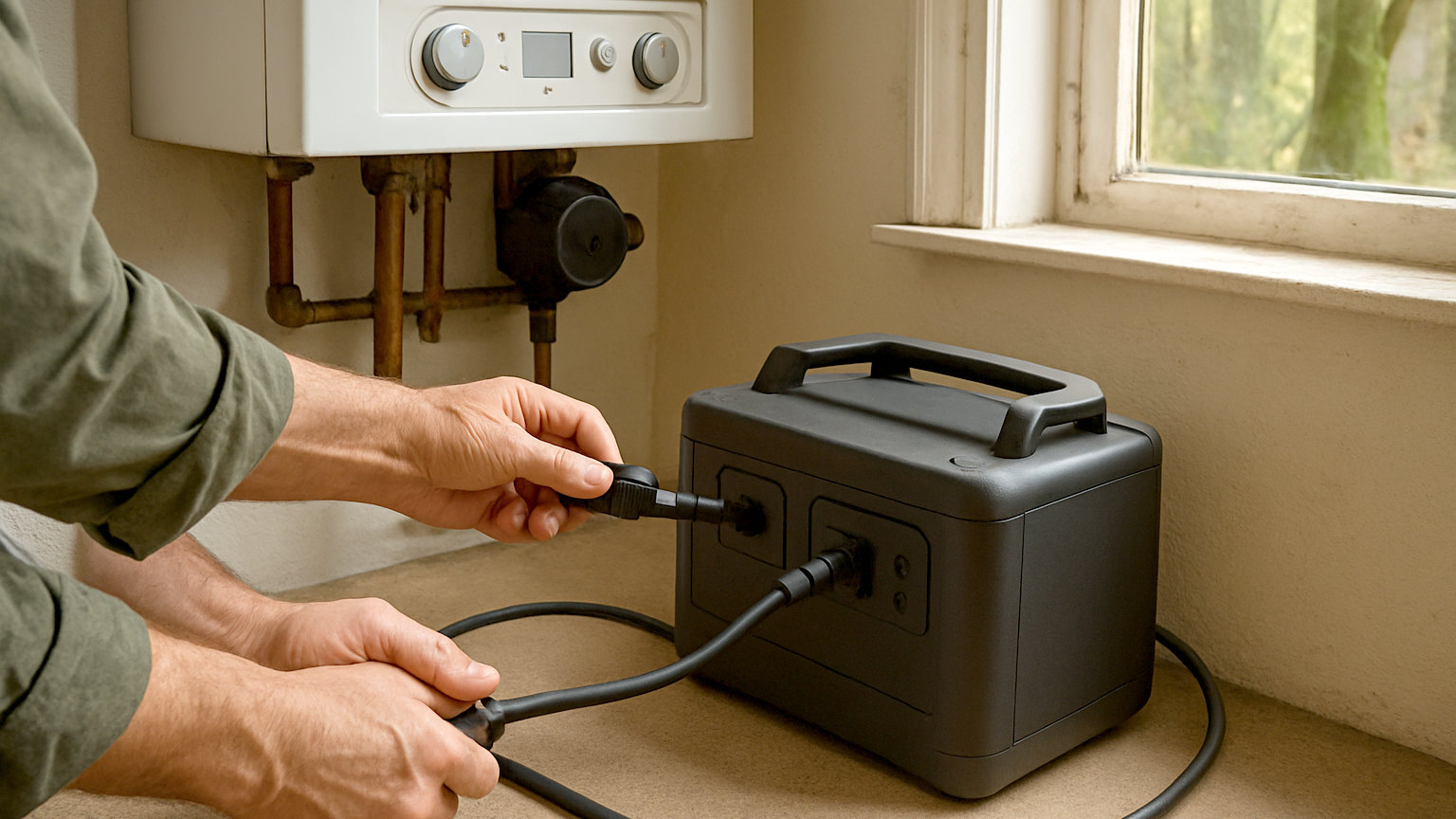
Very little. A wind up radio with a USB output, a couple of power banks, and a set of licence free handheld radios if your household is spread out or you have a large property. Everything else in this subject is arrangement rather than equipment, and the arrangements are free.
What about people outside the household?
Extend the same thinking to the people you would actually need. Neighbours, since they are closest and most likely to be reachable on foot when nothing else works. An elderly relative living alone, who may not text and may need someone to call in person. A workplace, so somebody knows where you are. Agreeing who checks on whom, before anything happens, converts a set of individual households into something considerably more resilient.
Text rather than call, use an out of area relay, keep a battery radio, agree the plan in advance, and conserve the phone aggressively.