The advice to text rather than call in an emergency is repeated frequently and rarely explained. The reason is technical, straightforward, and useful to understand because it tells you how to use texts well.
What does a call require?
A continuous dedicated channel for its entire duration. From the moment it connects until you hang up, the network reserves capacity on the mast for you. In congested conditions there is simply nothing available to reserve, so the call fails at the outset or drops partway. Every additional caller makes it worse for everyone else.
What does a text require?
A brief moment of capacity, once. A text is a very small packet sent on a control channel separate from voice traffic, and it needs only a fraction of a second of connection. If the network is busy the message queues and the phone retries automatically until it succeeds, which may take seconds or many minutes. Crucially, you do not have to keep trying, since the handset does it for you.
- Calls need continuous capacity, texts need a moment
- Texts queue and retry automatically until delivered
- Keep messages short so they send faster
- Send one message rather than repeatedly retrying a call
- Delivery may be delayed by minutes, which is normal
- Register for emergency SMS by texting register to 999
What is store and forward?
The principle behind text messaging. Your message goes to a message centre in the network, which holds it and delivers it when the recipient handset is reachable. That means a text sent to someone with no signal is not lost, it waits and arrives when they reconnect. This is why texts work across periods of intermittent coverage in a way that calls cannot.
Does this apply to messaging apps?
Partly. Apps such as those using mobile data behave more like calls in that they need a working data connection, which fails alongside voice in congestion and power loss. Traditional text messaging uses the older control channel and is more resilient. In an emergency, a plain text is the more reliable choice even though an app is the everyday habit.
How should you write an emergency text?
Short and specific. Who, where, safe or not, and what you are doing next. Shorter messages send faster and are less likely to fail. Avoid attachments and images entirely, since they need a data connection and consume battery. Agree this style in advance with the household so nobody sends a paragraph when a line will do.
What is emergency SMS?
A service allowing a text to reach the emergency services in the United Kingdom, which must be set up in advance by texting the word register to 999 and following the reply. It was introduced for people who are deaf, hard of hearing or have a speech impairment, and it is equally valuable for anyone in poor coverage where a call will not connect. Registration is free and takes two minutes.
Why does this matter in weak signal?
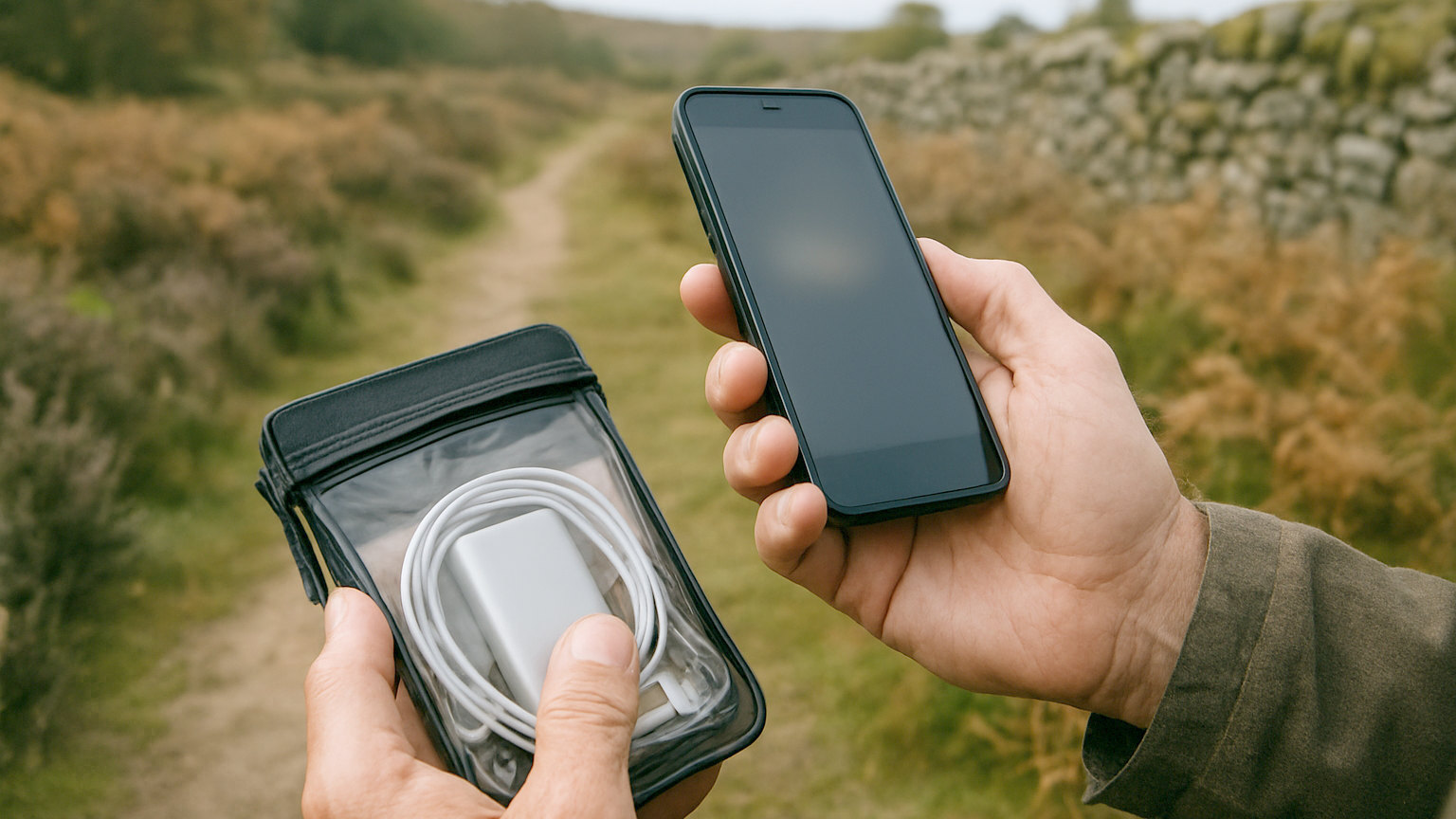
Because the same principle applies. In marginal coverage on a hillside or in a valley, a call needs a stable connection it cannot sustain, while a text needs only a brief window. Walkers and climbers routinely find that a text sends from a spot where no call will connect, which is the reason emergency SMS registration belongs on every outdoor checklist.
What should you not do?
Repeatedly redial. It consumes battery, adds to congestion, and achieves nothing that patience would not. Send one clear text, put the phone in flight mode to preserve charge, and check periodically. If the message has not shown as delivered after a long period, send it again rather than calling.
Does the same apply to voicemail?
Partly, and it is worth knowing. Leaving a voicemail requires the same continuous connection a call does, so it is no more likely to succeed during congestion. Where it does help is that a message left when someone is unreachable will be waiting when they reconnect, in the same way a text does. If you get through to voicemail, use it, but do not treat it as an alternative route when calls are failing outright.
Send one short text rather than redialling, expect delay, avoid apps and attachments, and register for emergency SMS today.