Since offenders are primarily looking for an empty property, removing the signals of absence is among the most effective things you can do, and almost all of it is free or nearly so.
What gives an empty house away?
Post visible through the door or building up in a porch. Bins left out long after collection or never put out at all. Curtains permanently closed, or permanently open at night. No lights at all after dark, or a single light burning continuously in the same room. An uncut lawn in summer. Deliveries left on the step. Cars absent from a drive that normally has one.
What do timers actually achieve?
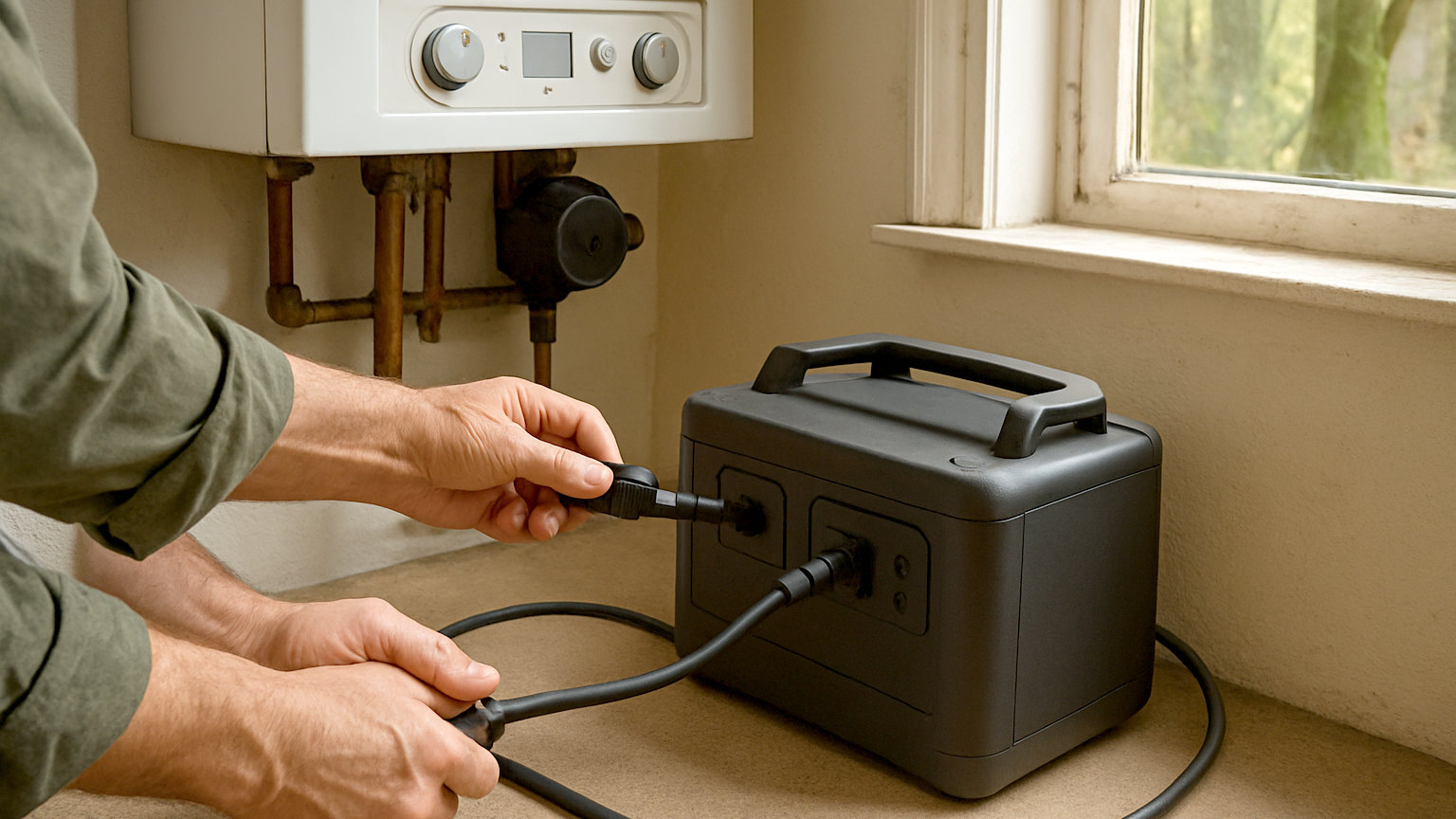
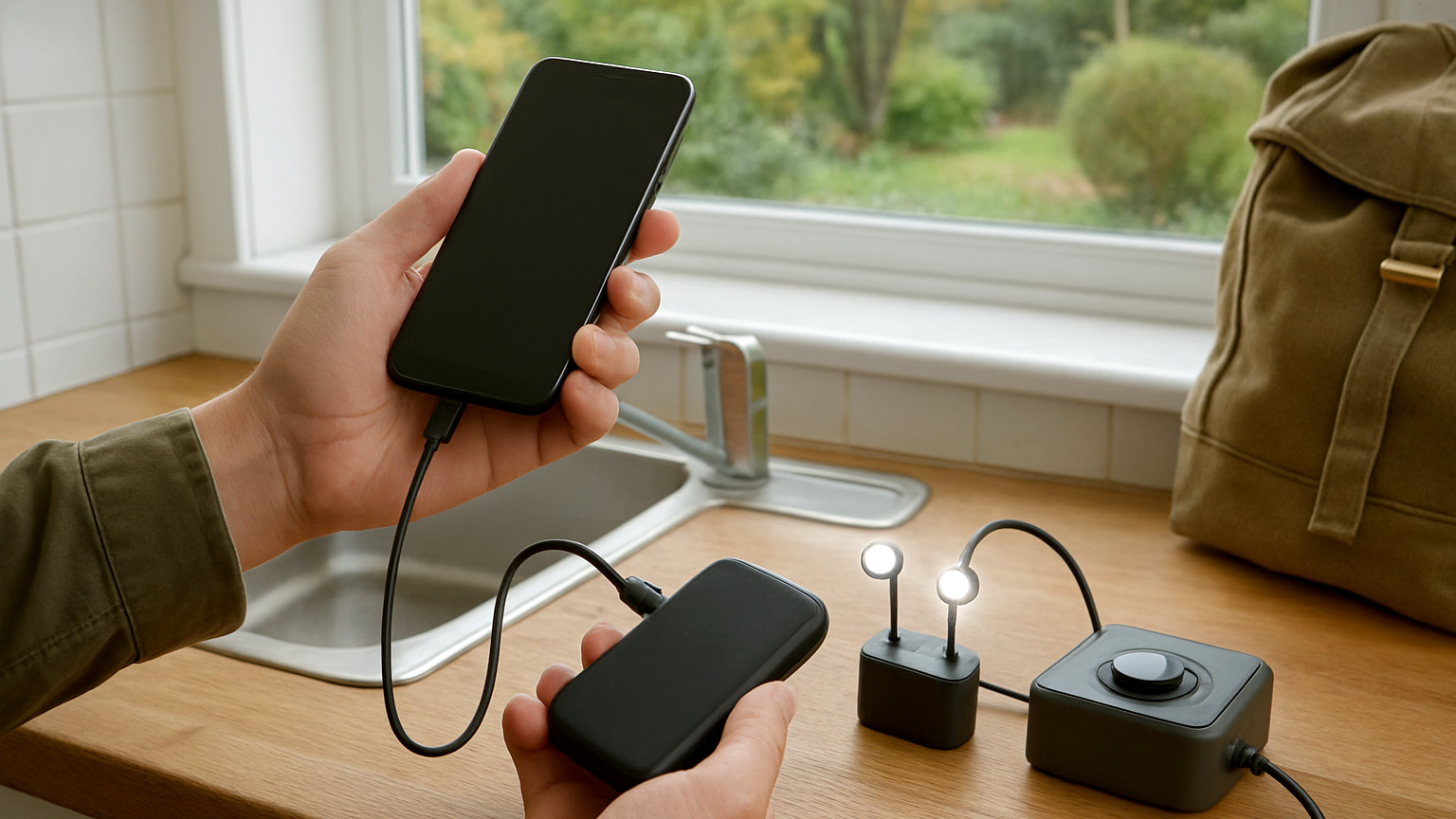
They restore the pattern of an occupied house. Plug in timers on two or three lamps in different rooms, set to come on and off at plausible times rather than all together, create a convincing impression from the street. Add a radio on a timer for sound. Modern smart plugs can randomise timings slightly, which is more realistic than the same schedule every evening. This is the highest value low cost measure available.
- Timers on lamps in more than one room, at varied times
- A radio on a timer for sound as well as light
- A neighbour to take in post and move the bins
- Curtains left in a normal position, not permanently closed
- Cancel milk and other regular deliveries
- Arrange for the lawn to be cut on longer trips
Why do neighbours matter more than devices?
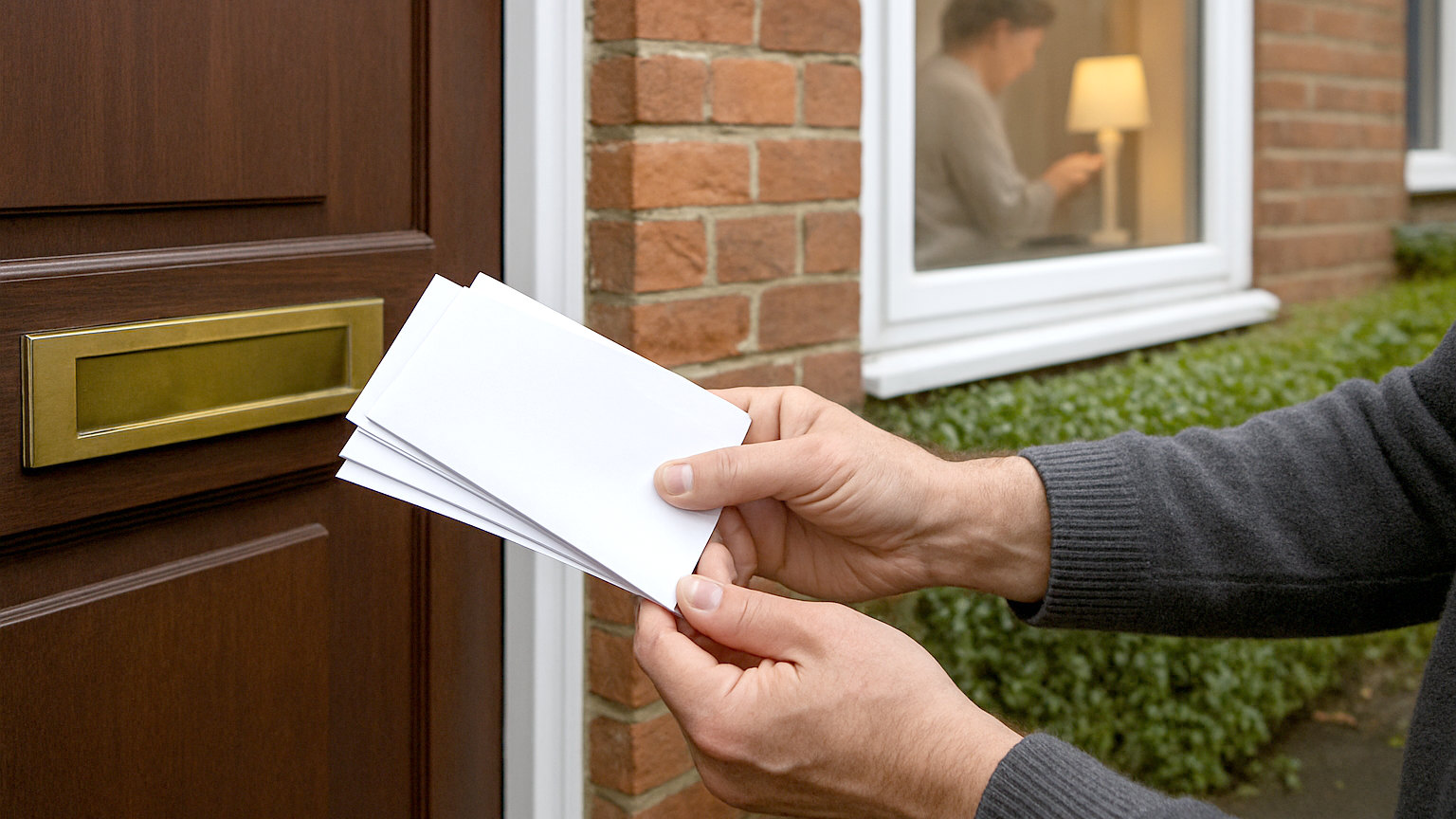
Because they do the things no device can. Taking in post, moving bins, parking on your drive occasionally, opening and closing curtains, and noticing anything unusual. A neighbour with a key who calls in every couple of days makes a house look genuinely lived in rather than merely lit. Offer the same in return, since the arrangement works best when it is reciprocal.
What about social media?
Do not announce absence in advance or in real time. Holiday photographs posted while you are away tell a wide and not fully known audience that your house is empty and for how long. Posting after you return loses nothing. Check what your privacy settings actually allow, and be aware that children and teenagers in the household may share information you would not.
Should you use a house sitter?
For longer absences, it is the most effective option available. A genuinely occupied house solves every problem at once, including plants, pets and post. Friends, family and formal house sitting arrangements all work. If someone is staying, make sure they know how the alarm works, where the stopcock is, and who to contact if something goes wrong.
What should you do before leaving?
Lock everything including internal doors to garages, set the alarm, unplug non essential appliances, turn off the water at the stopcock for longer trips, and check nothing is visible through windows that would attract attention. Move valuables and car keys away from the front of the house. Tell your insurer if you will be away beyond the period the policy allows, which is commonly thirty days.
Does the Royal Mail keepsafe service help?
Yes, for absences long enough that post would accumulate. Royal Mail will hold mail for a period and deliver it when you return, which removes one of the clearest signals. Alternatively a neighbour taking it in achieves the same thing and adds the benefit of someone visiting. Do the same for parcels by avoiding scheduled deliveries while away.
What about the garden and outside?
Tidy it before you go and remove anything that helps access. Put ladders away and lock them up, secure the shed, move wheelie bins away from windows and fences, and lock the side gate. Long grass and an untended appearance both signal absence, so arranging for a cut on a longer trip is worth the small cost.
Timers on several lamps, a neighbour taking the post, nothing announced online, and the ladders locked away before you leave.