The hours after discovering a break in involve several decisions made while shaken, and a few of them have lasting consequences for the investigation and the claim.
What should you do first?
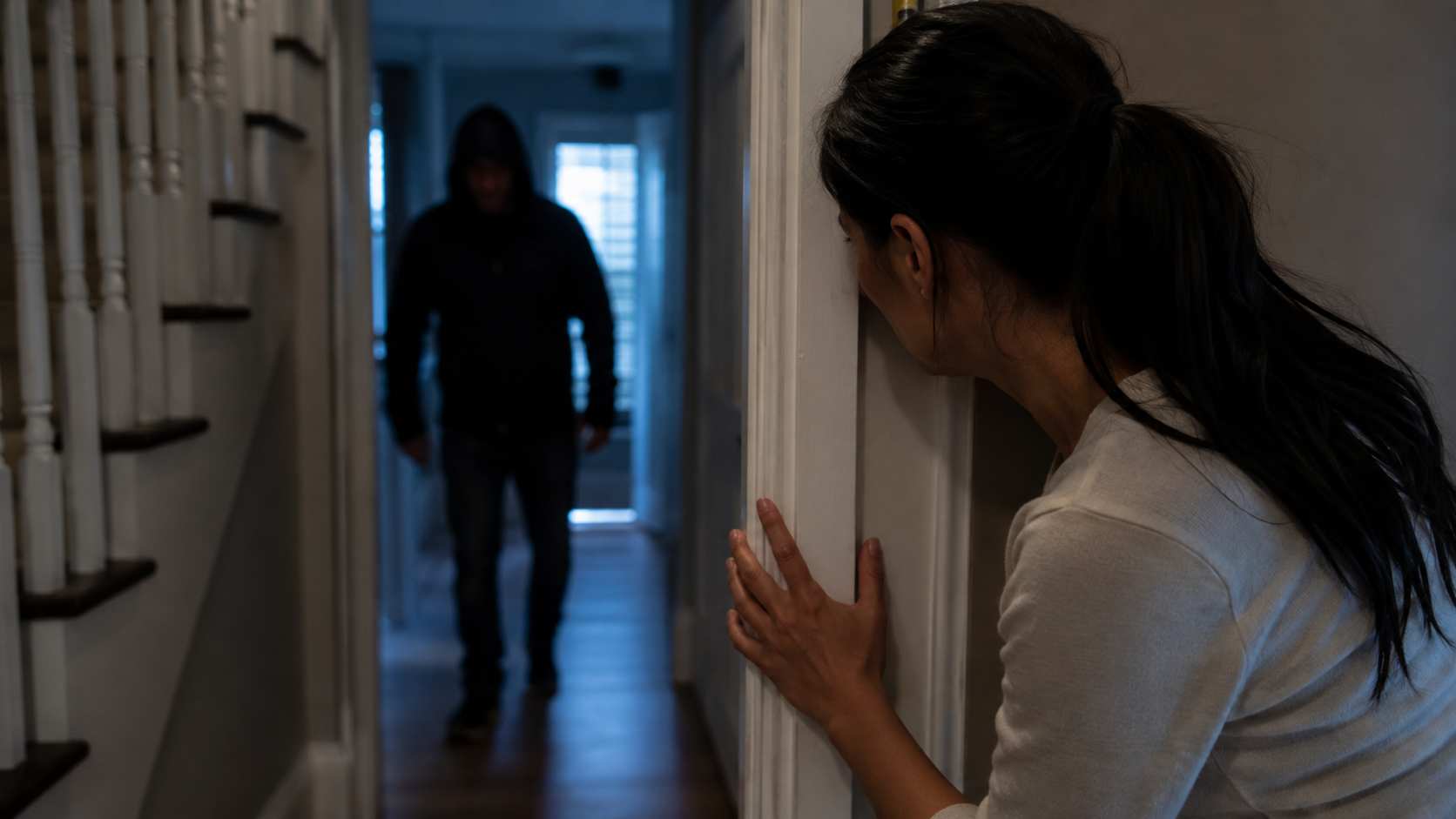
Do not go in if you think anyone may still be inside. Call 999 from outside or from a neighbour. If the property is clearly empty and nobody is hurt, call 101 or use the online reporting route. Either way, do not touch anything, do not tidy, and do not clear up broken glass until you have been advised that you can.
Why does preserving the scene matter?
Because forensic recovery depends on surfaces being undisturbed. Fingerprints, footwear marks and DNA are routinely recovered from entry points, and handling doors, windows and disturbed items destroys that. Photograph everything before anything is moved, both for the police and for the insurance claim, and keep those images.
- Call 999 if anyone may still be present or someone is hurt
- Do not touch, tidy or clean until advised
- Photograph everything before anything moves
- Get a crime reference number for the insurer
- List what is missing, with serial numbers where you have them
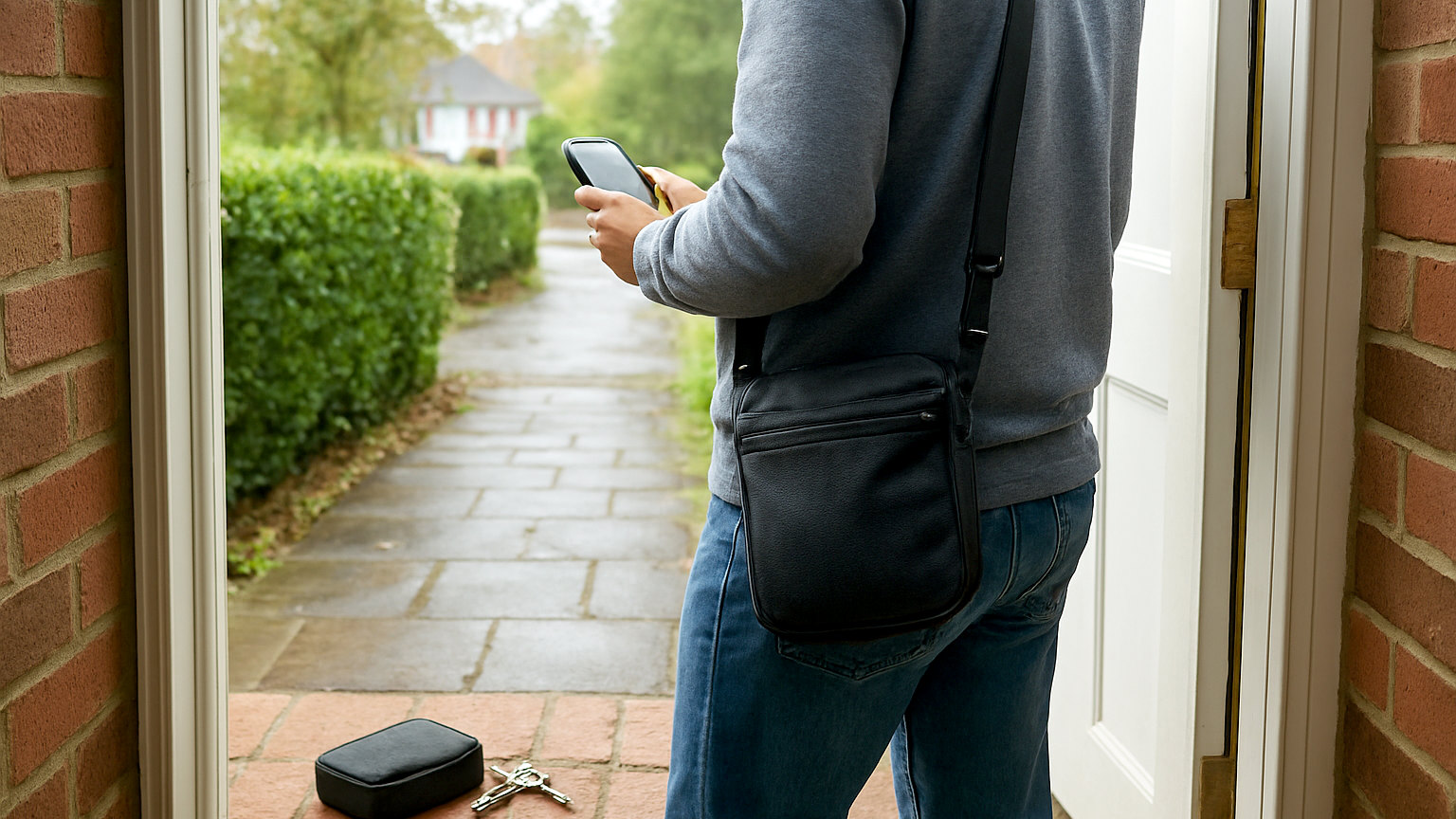
- Change or replace locks if keys were taken
What does the insurer need?
A crime reference number, a list of what was taken, and evidence of ownership and value. This is where the photographs and receipts prepared in advance justify themselves, since almost nobody can list their possessions accurately from memory while distressed. Notify the insurer promptly, since most policies specify a period. Ask before making permanent repairs, as they may want to inspect first.
How do you make the property secure again?
Immediately and then properly. Insurers usually authorise emergency boarding or a locksmith, and many have a twenty four hour line for exactly this. Keep receipts. If keys were taken, change the affected locks rather than assuming they will not be used, and consider that a stolen key with an address attached is a continuing risk.
What about recovering property?
It is uncommon and worth enabling anyway. Provide serial numbers to the police, register stolen items on a national property database, and check online marketplaces for distinctive items. Report any sighting rather than approaching a seller. Marking items in advance with a UV pen or a registered marking system substantially improves the odds of anything recovered being traced back to you.
What about digital security?
Often overlooked and increasingly important. If a laptop, tablet or phone was taken, change the passwords for email, banking and cloud accounts from a different device, enable two factor authentication, and use the remote wipe function if you have one. If documents were taken, watch for identity fraud and consider a credit reference check, since address and identity details enable considerable damage.
How do people usually feel afterwards?
Worse than they expect, and for longer. Many describe a persistent sense of intrusion, difficulty sleeping and anxiety about being at home, even where little of value was taken. This is a normal reaction to having your home entered rather than a failure to cope, and it affects children in the household too. Talking about it and restoring normal routines both help.
Where can you get support?
Victim Support provides free and confidential help across England and Wales, independently of the police, and you can contact them whether or not you reported the crime. Similar services operate in Scotland and Northern Ireland. Police forces also offer crime prevention advice after an incident, which is worth taking up, since the same property is at somewhat elevated risk of a repeat.
Are you more likely to be targeted again?
Yes, and it is well documented. Repeat victimisation is a recognised pattern in residential burglary, with elevated risk concentrated in the weeks immediately following an incident, because the offender knows the layout, what was left behind and how entry was gained. Replacing stolen items restocks the property with new goods. This is the strongest argument for fixing the weakness properly rather than temporarily, and for taking up the crime prevention visit if one is offered.
Do not tidy, photograph everything, get a crime reference, change any compromised locks, secure your accounts, and take up the support offered.