Tenants often assume they can do nothing about security, and landlords often assume the locks fitted at the start remain adequate. The useful position sits between the two, and a good deal can be improved without altering the property.
What is the landlord responsible for?
Providing a property that is secure and fit to live in, which generally includes doors and windows that lock and are in working order. Landlords also have obligations around fire safety, including smoke and carbon monoxide alarms. If a lock is broken, a window will not close or a door is damaged, that is a repair matter and should be reported in writing.
Can you change the locks?
Generally not without permission. Most tenancy agreements prohibit altering locks, and the landlord retains a right of access with notice. If you have a specific concern, such as previous tenants or a lost key, ask in writing and explain why, since many landlords will agree or arrange it themselves. Keep any correspondence, and if you do change a lock with consent, provide a key.
- Report broken locks and windows in writing as a repair
- Ask permission in writing before altering any lock
- Use portable and removable measures that need no consent
- Take out your own contents insurance, since the landlord policy covers the building
- Photograph the condition of locks and doors at check in
- Check whether the property meets the insurance lock requirements
What can you fit without permission?
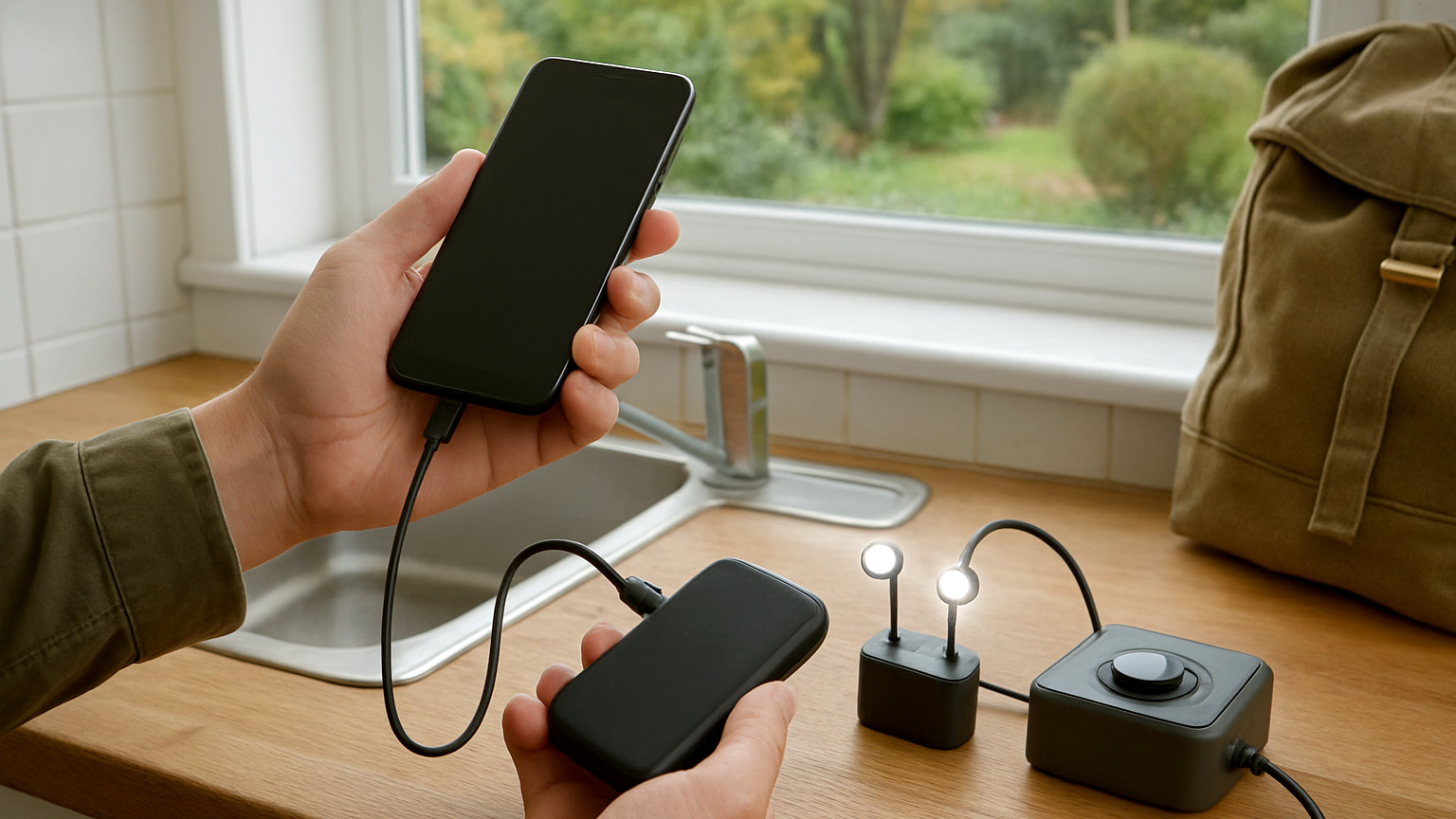
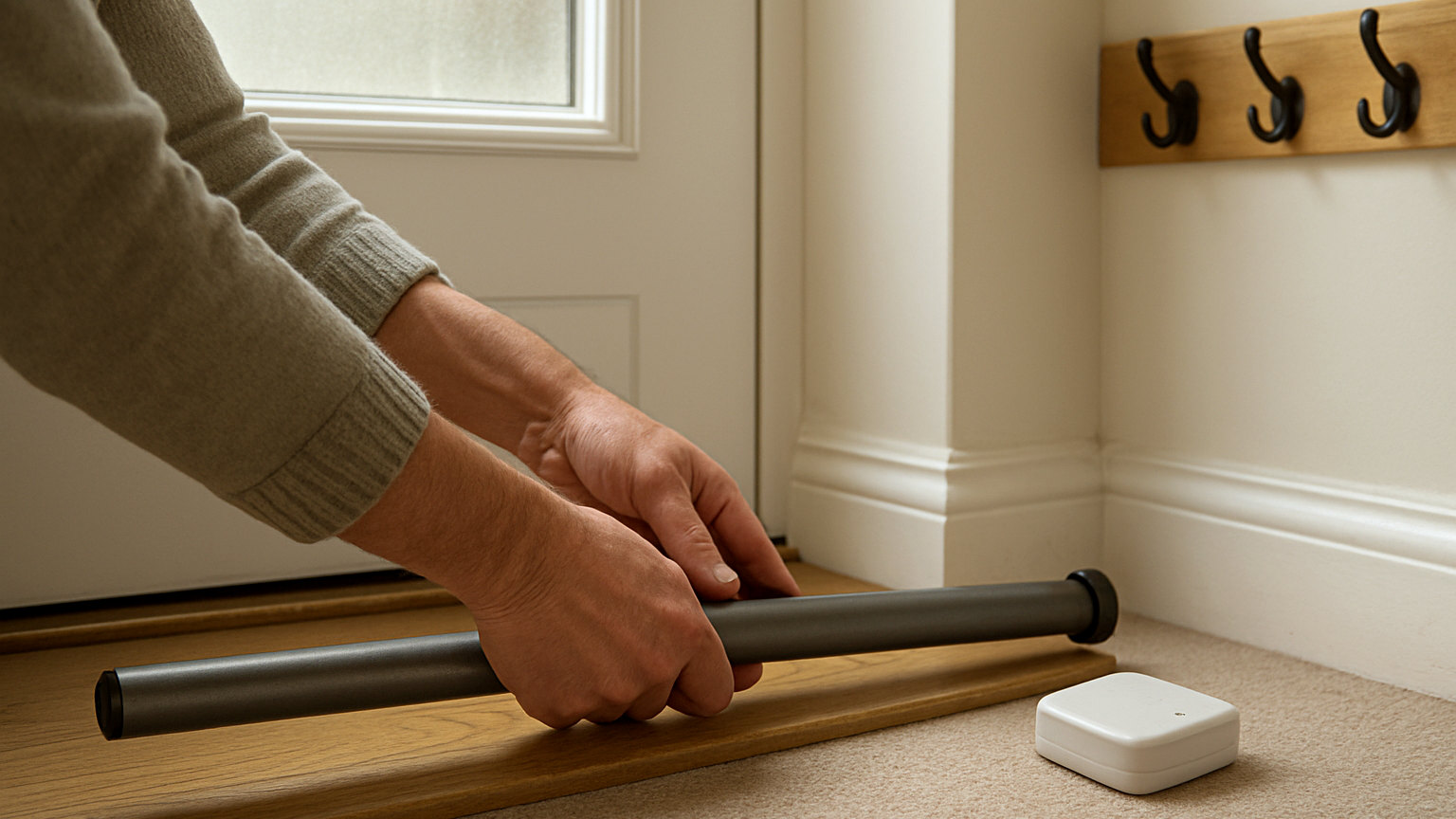
Anything that leaves no trace. Plug in timer switches for lamps. Battery powered door and window alarms that stick on. Portable door security devices that wedge or brace a door from inside. A door chain is usually a small enough alteration to be agreed easily. Freestanding cameras positioned inside on a shelf need no fixing. Between them these address a large share of the risk.
What about video doorbells?
They usually need consent, since they involve fixing to the property and sometimes wiring, and in a flat they may also involve communal areas where the freeholder or managing agent has a say. Battery models that adhere or clamp are easier to agree. Remember that the data protection obligations apply to you as the operator regardless of who owns the building.
Who insures what?
The landlord insures the building and their own fixtures, and your possessions are not covered by that policy. Tenants contents insurance is inexpensive and frequently overlooked, and it is the only thing that replaces your belongings after a break in. Check whether the policy specifies minimum lock standards, since a rented property may not meet them and that is worth raising with the landlord.
What should you check when moving in?
Whether every external door and window locks properly and has a key, how many keys exist and who holds them, whether the previous tenant returned theirs, and whether the locks meet any standard your insurer requires. Photograph everything as part of the inventory. Asking whether locks were changed between tenancies is a reasonable question and the answer is frequently no.
What about flats and communal entrances?
The communal door is a shared responsibility and a common weak point, since entry systems are often propped open or the code is widely known. Report faults to the managing agent promptly and in writing. Do not let unknown people in behind you, however awkward that feels, and treat your own flat door as the real boundary, since a communal entrance offers less protection than it appears to.
What if the landlord will not act?
Escalate in writing, then to the local authority. Councils have powers to require landlords to address serious hazards in rented housing, and security defects can fall within that. Keep a clear written record of what you reported and when, and contact a housing advice service if you need help with the process.
Report defects in writing, use portable measures that need no consent, take out contents insurance, and photograph everything at check in.