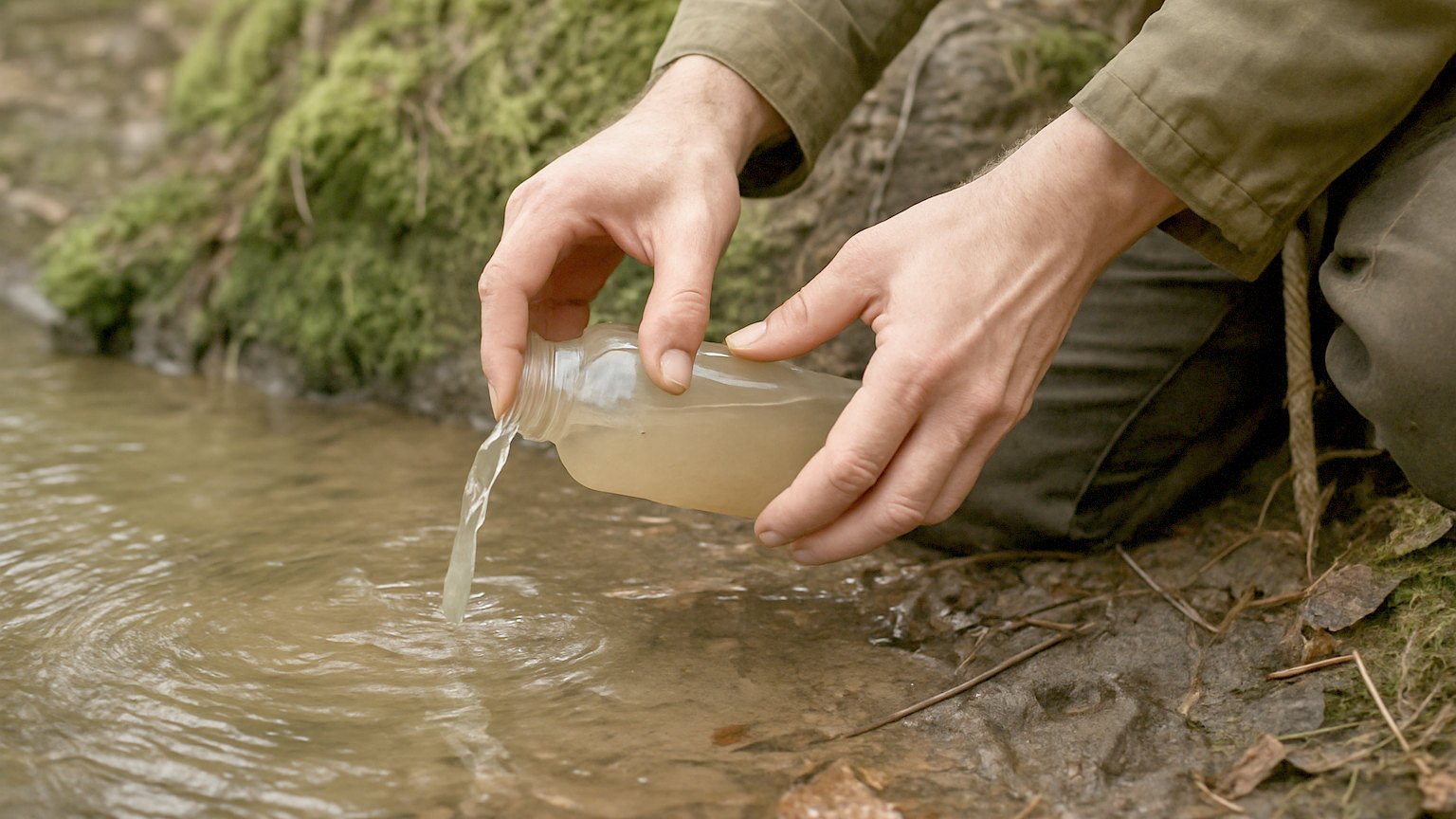
The reason to treat water is not abstract. A specific and fairly short list of organisms causes almost all waterborne illness in Britain, and knowing what they do, and how long they take to do it, helps both with prevention and with recognising what has happened.
What is giardia and how does it present?
Giardia lamblia is a protozoan parasite shed in the faeces of livestock, wildlife, dogs and humans, and it is the most common cause of waterborne illness in temperate countries. Symptoms typically begin one to two weeks after exposure, which is long enough that many people never connect the two. Expect prolonged watery diarrhoea, bloating, foul smelling wind, cramps, nausea and marked fatigue. It commonly lasts two to six weeks untreated and responds well to prescribed antiparasitic medication.
How does cryptosporidium differ?
Cryptosporidium is also a protozoan and produces a broadly similar illness, with watery diarrhoea, cramps and low grade fever appearing two to ten days after exposure. The important practical difference is treatment resistance. Its oocysts have a tough wall that shrugs off chlorine and iodine at drinkable concentrations, which is why chemical tablets alone are insufficient where it is a risk. Filtration and boiling both deal with it effectively. In healthy adults it usually resolves within a fortnight, but it can be severe and prolonged for anyone immunocompromised.
- Giardia, one to two weeks incubation, prolonged diarrhoea and bloating
- Cryptosporidium, two to ten days, resistant to chemical treatment
- Campylobacter, two to five days, severe cramps and often fever
- E. coli, one to eight days, occasionally serious complications
- Leptospirosis, two days to four weeks, flu like with jaundice in severe cases
What bacterial risks are there?
Campylobacter is the commonest bacterial cause, arriving two to five days after exposure with abdominal pain that can be genuinely severe, diarrhoea and fever. E. coli covers a range of strains, most causing self limiting illness but some producing toxins that can lead to serious kidney complications, particularly in children and older people. Both come predominantly from livestock faeces, which is why water downstream of grazing carries meaningful risk.
What is leptospirosis and who is at risk?
Leptospirosis, sometimes called Weil disease in its severe form, is spread through the urine of rats and livestock and enters through cuts, grazes or the membranes of the eyes, nose and mouth. It is a particular concern for anyone in contact with still or slow moving fresh water, including wild swimmers, paddlers and people working in flooded buildings. Onset ranges from two days to four weeks and begins as a flu like illness with headache, muscle pain and fever. Most cases are mild, but a minority progress to liver and kidney involvement with jaundice, and that form needs prompt treatment.
Why is fluid loss the real danger?
In a survival context, the infection itself is rarely what harms you. Diarrhoea and vomiting accelerate dehydration precisely when clean water is already scarce and when you may be exerting yourself. A person losing several litres a day to illness while rationing water is in a rapidly worsening position. This is the core argument for treating water even when the odds of contamination seem low.
When should you seek medical help?
Contact a GP or call 111 if diarrhoea persists beyond a few days, if there is blood in it, if you cannot keep fluids down, if you develop a high fever, or if you notice jaundice, reduced urination or confusion. Mention any exposure to untreated water, because it changes what a clinician will test for and can shorten the route to the right treatment considerably.
How do you avoid passing it on?
All of these organisms spread person to person as readily as through water, which matters in a shared tent, a household or a rest centre. Hand washing with soap after using the lavatory and before handling food is the single most effective measure, and alcohol gel is notably poor against cryptosporidium, so soap and water is not optional. Anyone with symptoms should avoid preparing food for others, should not share towels, and should stay out of swimming pools and open water for a fortnight after symptoms stop, since shedding continues well past recovery.
Prevention costs a filter and a few tablets, which is a modest price against several weeks of illness.