The overwhelming majority of personal safety is decided before anything happens, and it consists of ordinary habits rather than anything dramatic.
What does awareness actually mean?
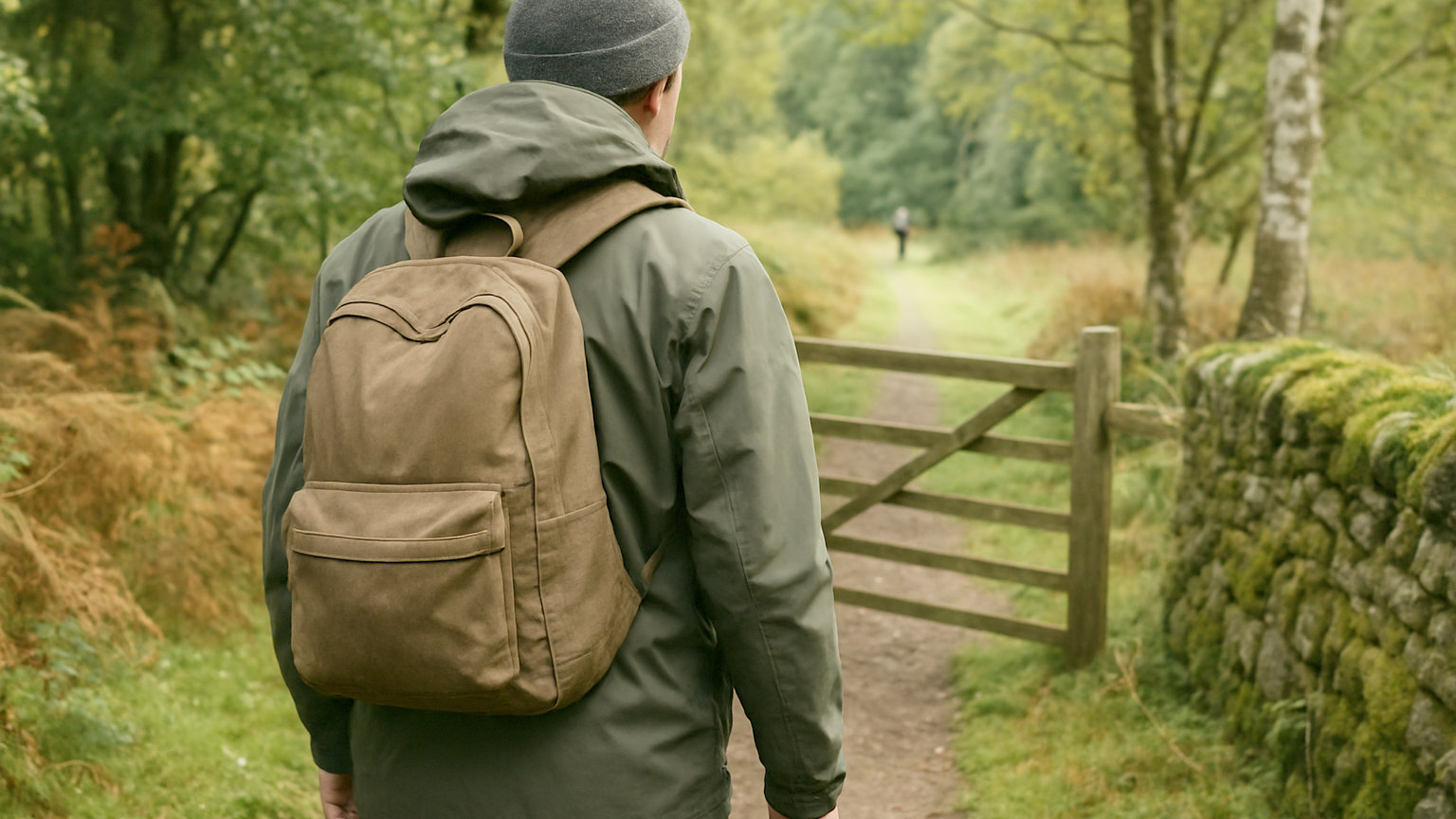
Noticing your surroundings at a level that lets you register something changing. Not suspicion of everyone, which is exhausting and unpleasant, but a habit of looking up, knowing who is around you and where the exits are. People absorbed in a phone with headphones on have removed both their warning systems at once.
Why does noticing early matter so much?
Because options close quickly. At thirty metres you can cross the road, turn around, go into a shop or change your route entirely, and nobody notices. At three metres you have almost nothing left. Every account of an incident contains a moment where leaving was still easy and unremarkable, and the cost of acting on it would have been nothing.
- Look up and keep one ear free in public
- Know where the exits and the busy places are
- Act on the feeling that something is wrong
- Cross the road early rather than committing to a route
- Keep valuables out of sight and hands reasonably free
- Leave a place before it becomes uncomfortable
Should you trust your instinct?
Yes, and it is the single most useful thing in this subject. The sense that something is wrong is usually your brain registering a pattern before you can articulate it. People routinely override it because acting on it feels rude, paranoid or embarrassing, and afterwards describe having known something was wrong. Crossing the road costs nothing and being wrong costs nothing.
What about routes and timing?
Vary them where it is easy, choose lit and populated ways over short cuts, and think about the last few hundred metres to a door, which is where most incidents happen. This is not about living restrictively, it is about the small choices that cost a couple of minutes: the main road instead of the alley, the busier carriage, the taxi from a rank.
How should you carry yourself?
Upright, moving purposefully, looking around. Research into how people are selected as targets consistently points to signals of distraction and uncertainty rather than to size or strength. Someone who has noticed you, looked at you and clearly knows where they are going presents a different proposition from someone absorbed and unaware.
What about alcohol?
It is the largest single factor in violent incidents in Britain, both for victims and for people who end up in trouble. It removes the awareness this whole subject depends on, impairs the judgement that would normally avoid escalation, and makes people slower to leave. Planning how you will get home before going out addresses more risk than anything else on this list.
Does this apply at home?
Yes, in the form of habits. Locking the door behind you, not opening it without knowing who is there, keeping keys away from the letterbox, and being wary of unexpected callers all belong to the same principle of removing easy opportunities. Most household crime is opportunistic rather than targeted.
What is the honest summary?
That avoiding trouble is unglamorous, undramatic and does almost all of the work. Nobody tells a story about the evening they crossed the road and nothing happened, which is why this part of personal safety receives a fraction of the attention that fighting techniques do, despite being the part that actually protects people.
What about phones specifically?
They are the single biggest change to how people move through public space and the largest source of both distraction and opportunity. Walking while reading a screen removes vision, hearing and any sense of who is nearby, and an expensive phone held in the open is the most commonly stolen item in the country. Put it away for the walk.
Does this mean living anxiously?
No, and the opposite is usually true. People who have thought about this in advance tend to be more relaxed rather than less, because they have decided what they would do and are not carrying an unresolved worry. Awareness is a low level background habit rather than a state of alertness, and it should cost you nothing to maintain.
Look up, notice early, act on the feeling, take the longer safer route, moderate the drinking, and leave before you have to.