The short answer is that there is no general right to light a fire outdoors in England and Wales, and the default position is that you need the landowner permission. Everything else follows from that, and the exceptions are narrower than most people assume.
Who owns the right to light a fire?
Land in England and Wales is almost entirely owned by someone, and lighting a fire without consent can amount to criminal damage as well as trespass. The Countryside and Rights of Way Act grants access on foot to certain open country and common land, but that right does not extend to fires. Being lawfully present is not the same as being permitted to burn something.
What is different in Scotland?
Scotland has a statutory right of responsible access under the Land Reform Act, and the Scottish Outdoor Access Code does permit small fires where it is safe and reasonable. That permission comes with conditions: use a stove where possible, never light fires on peat or in dry conditions, keep them small, and remove all trace. During periods of high wildfire risk the advice hardens to avoiding open fires altogether, and local restrictions can override the general position.
Where are fires specifically prohibited?
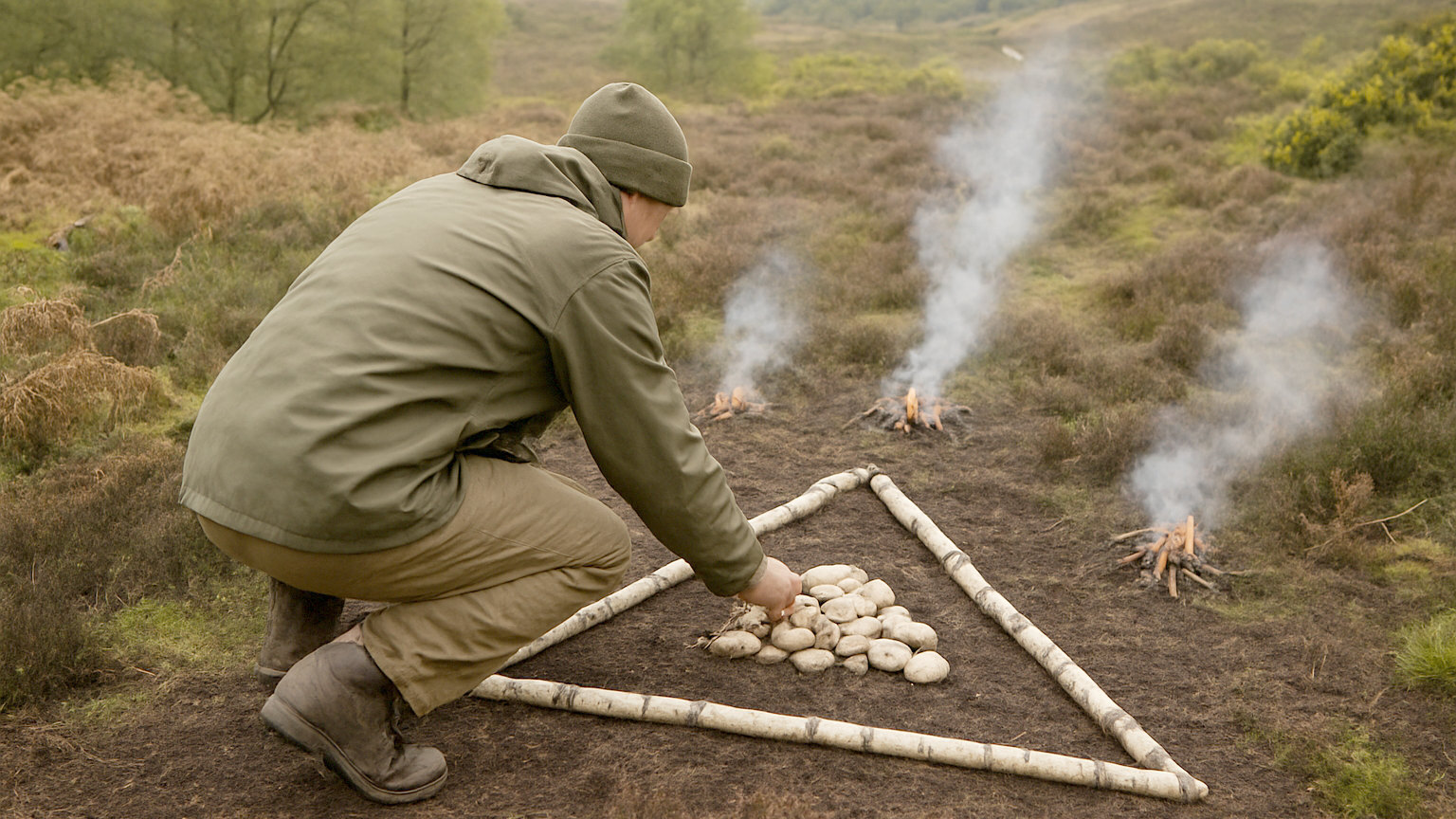
Byelaws are the thing to check, because they apply locally and carry real penalties. National parks, National Trust and Ministry of Defence land, nature reserves and most local authority parks and commons carry restrictions or outright bans. Moorland is especially sensitive, because peat can ignite and burn underground for weeks.
- Assume you need permission unless you know otherwise
- Check local byelaws for parks, commons and nature reserves
- Never light fires on peat, moorland or dry vegetation
- Respect Fire Severity Index warnings and seasonal bans
- Use a stove or a raised fire pan wherever possible
- Never leave a fire unattended, even briefly
What about campsites and permitted areas?
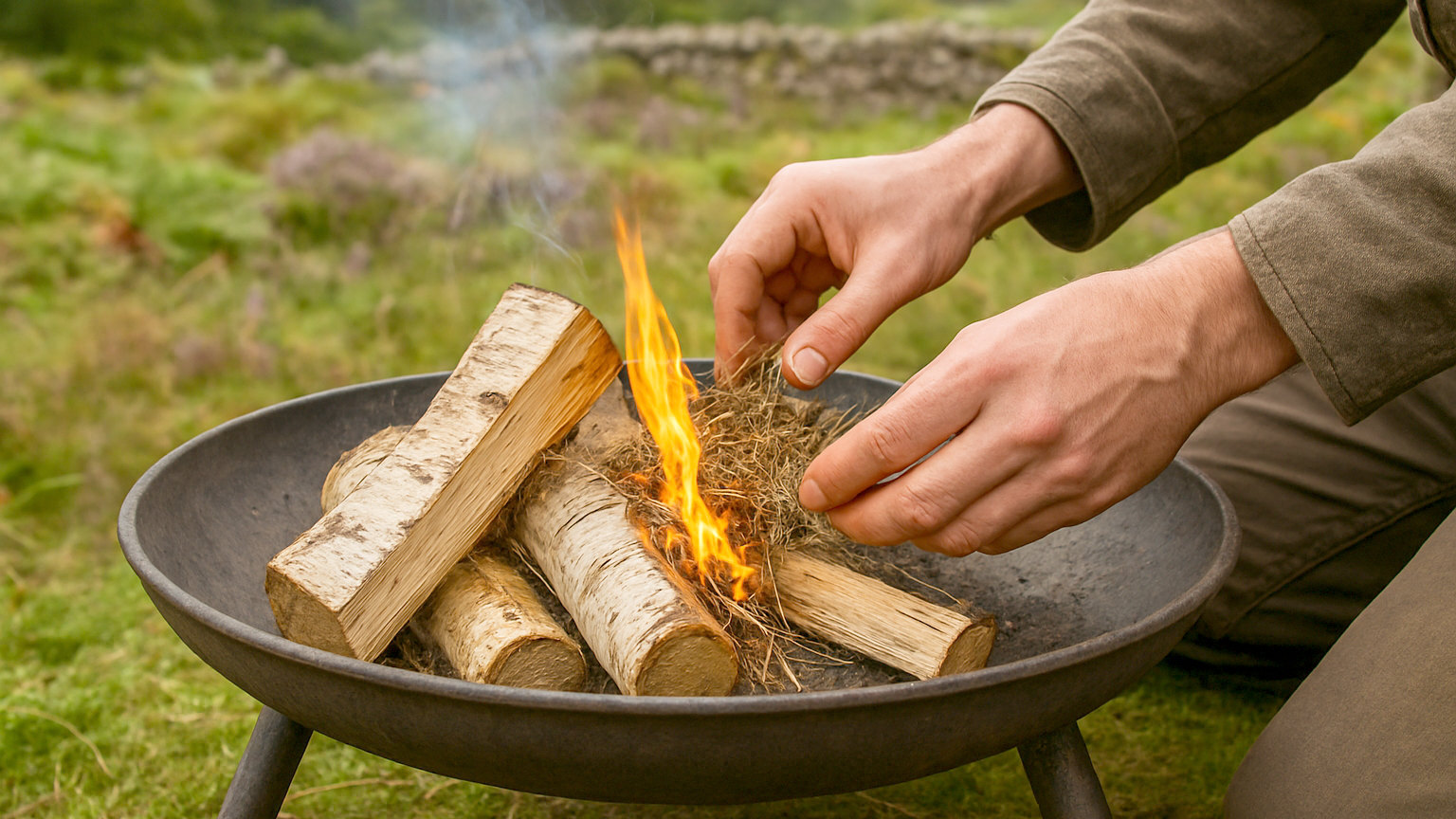
Many campsites allow fires in designated pits or raised bowls and some ban them entirely, so check before you arrive. Where fires are allowed the site usually supplies wood, partly because bringing in diseased wood spreads tree pests. A growing number permit raised bowls only, which protect the ground and leave no scar.
Does using a stove change the position?
Substantially, yes. A contained gas or liquid fuel stove is not an open fire, leaves no ground scar and is accepted in many places where fires are prohibited, which is why it is the standard recommendation for wild camping. Solid fuel stoves and raised bowls sit between the two: they protect the ground but still throw sparks, and many byelaws treat them as fires.
What about disposable barbecues?
They are treated as open fires in most byelaws and have been behind a striking number of recent moorland and heath fires, because people set them on dry vegetation and then leave them while still hot. Several national parks, many local authorities and a number of major retailers have banned or withdrawn them outright. If you are on land where fires are restricted, assume a disposable barbecue is restricted too, and if you do use one, place it on a hard non flammable surface and drown it thoroughly before disposal.
What are the practical consequences of getting it wrong?
Beyond the legal exposure, an escaped fire on moorland or in forestry can cause damage running into hundreds of thousands of pounds, destroy nesting habitat and put firefighters at risk. Prosecutions do happen, and the Countryside and Rights of Way Act allows access rights to be suspended for people who breach the conditions attached to them. More commonly, irresponsible fires lead to blanket bans that remove access for everyone, which is why the outdoor community tends to police this fairly firmly.
How do you check before you go?
Start with the landowner, because that is the question that actually decides it. For open country, the Natural England and Natural Resources Wales mapping shows access land and any local restrictions in force. National park and National Trust websites publish their own fire rules, and during dry spells the Met Office Fire Severity Index gives a national picture of wildfire risk that many landowners use to trigger seasonal bans. Five minutes of checking beforehand avoids an awkward conversation and a possible prosecution.
If you want to practise fire lighting regularly, the sustainable answers are your own garden, a campsite that permits it, land where you have explicit permission, or a bushcraft course with managed sites. That covers almost every legitimate need without risk.