Most equipment that fails does so because of how it was stored rather than how it was used. A few habits at the end of a trip extend the life of nearly everything by years.
What is the single most important habit?
Drying everything before storage. Tents, tarps, bags, boots, packs and filters all deteriorate when packed damp, growing mildew, delaminating coatings and, in the case of water filters, developing biofilm or freezing while wet. Unpacking and drying everything properly the day after a trip prevents most equipment failure there is.
How should sleeping bags be stored?
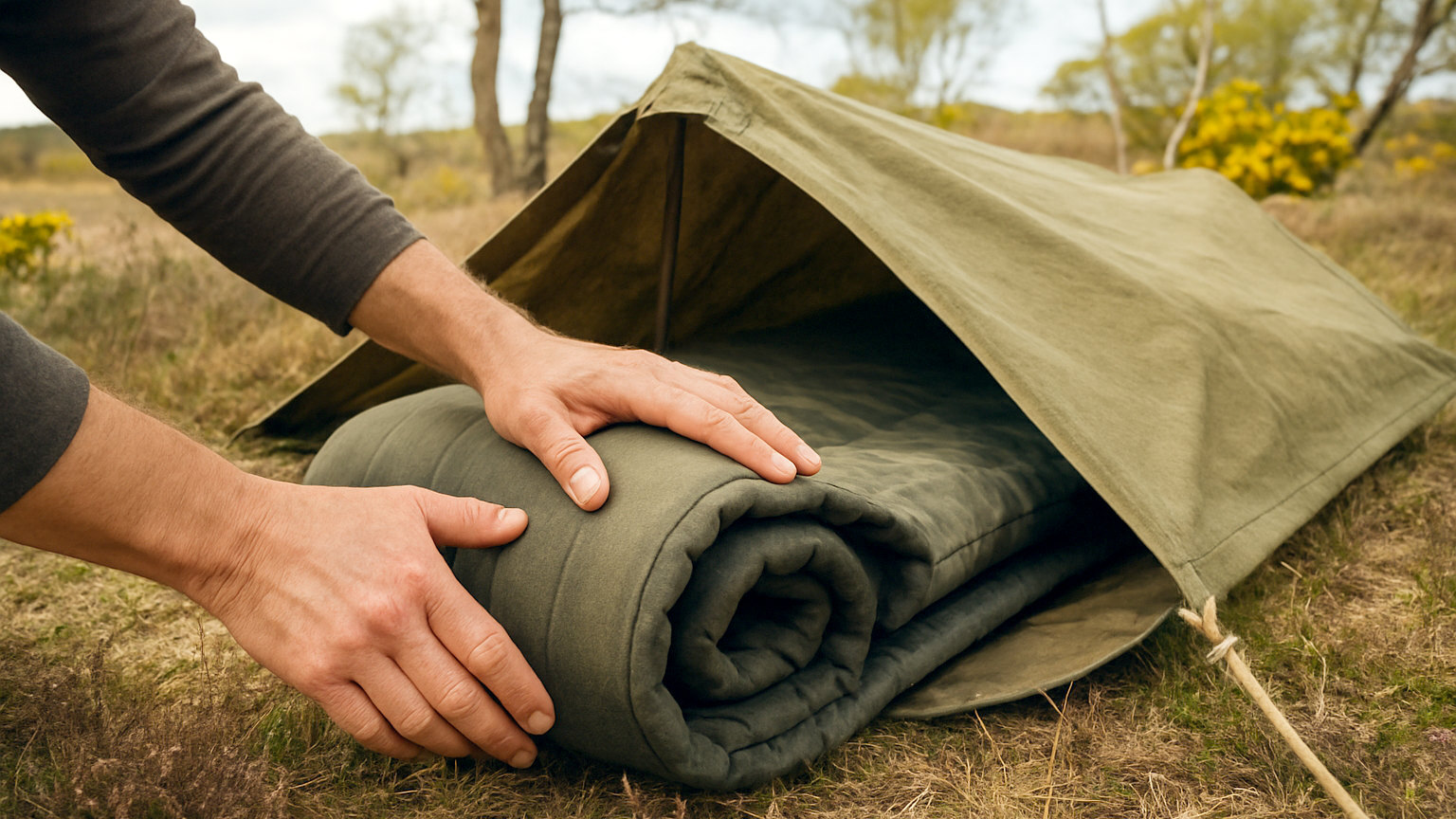
Uncompressed, in a large cotton or mesh sack, or hung up. Storing a bag in its stuff sack permanently damages the loft that provides the insulation, and a bag left compressed for a year may never fully recover. This applies to both down and synthetic, and it is the most common way an expensive sleeping bag is quietly ruined.
- Dry everything thoroughly before it goes away
- Store sleeping bags uncompressed, never in the stuff sack
- Reproof waterproofs when water stops beading
- Store tents and tarps dry and loosely folded
- Dry boots slowly, away from direct heat
- Repair small tears before they become large ones
When should you reproof a waterproof?
When water stops beading on the surface and instead soaks in, which is called wetting out. The membrane still works and the wetted outer fabric prevents it breathing, so you feel wet from condensation inside. Wash the garment with a technical cleaner rather than ordinary detergent, which leaves residues, then apply a wash in or spray on repellent and activate it with warmth as directed.
How should boots be dried?
Slowly and away from direct heat. Radiators, fires and hot air dry leather too fast, causing it to crack and shrink and weakening adhesives. Remove the insoles and laces, stuff loosely with newspaper, and leave somewhere warm and airy for a day or two. Clean off mud before drying, since dried mud draws moisture out of leather and damages it.
What about blades and tools?
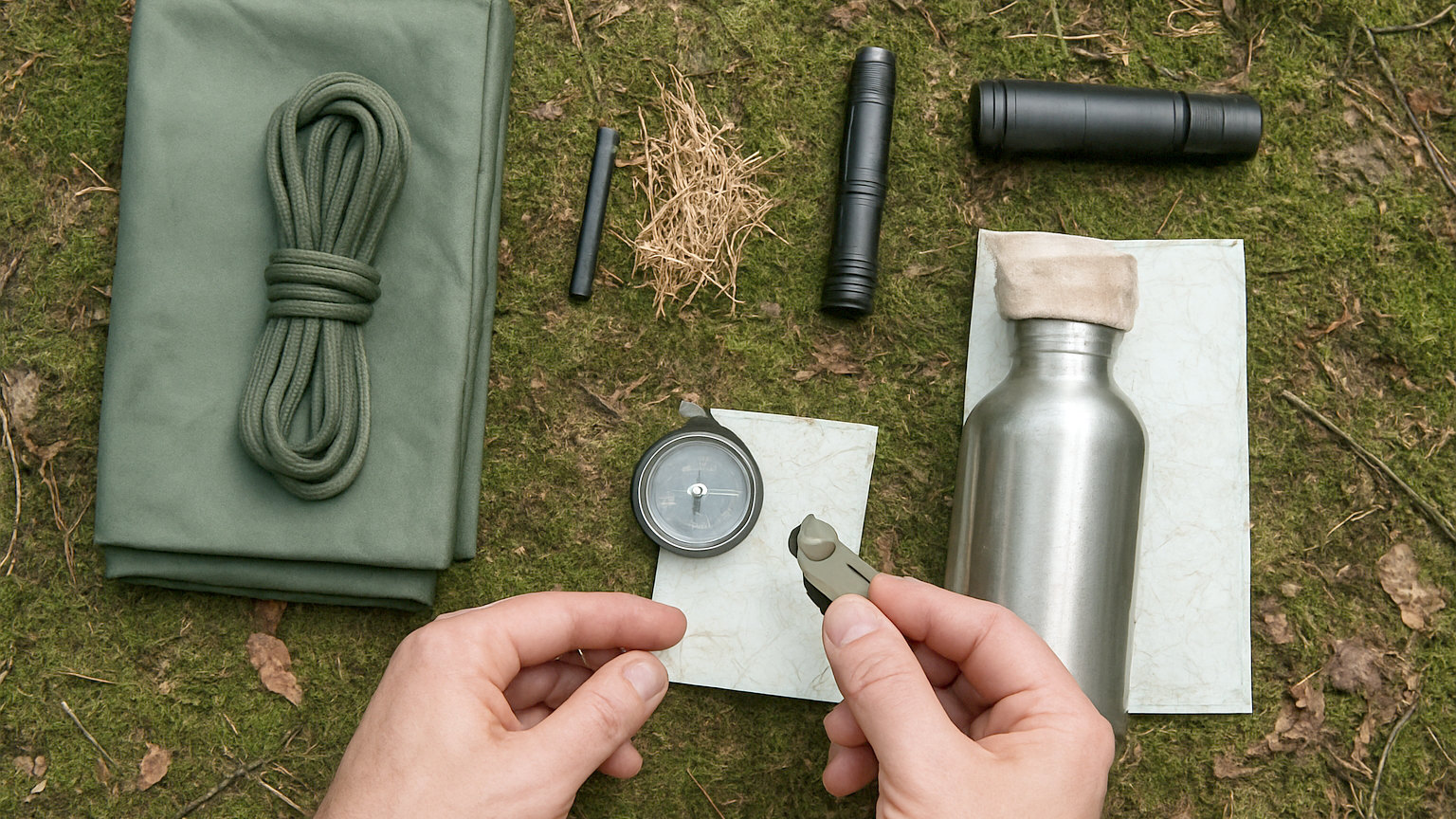
Dry, oil and sharpen. Carbon steel rusts quickly and needs wiping dry and a light film of oil after use, particularly in Britain. Stainless is more forgiving and still benefits. Keep the edge sharp, since a blunt blade requires force and is more dangerous than a sharp one. Oil the pivots on multi tools and folding knives once or twice a year.
How do you look after a rucksack?
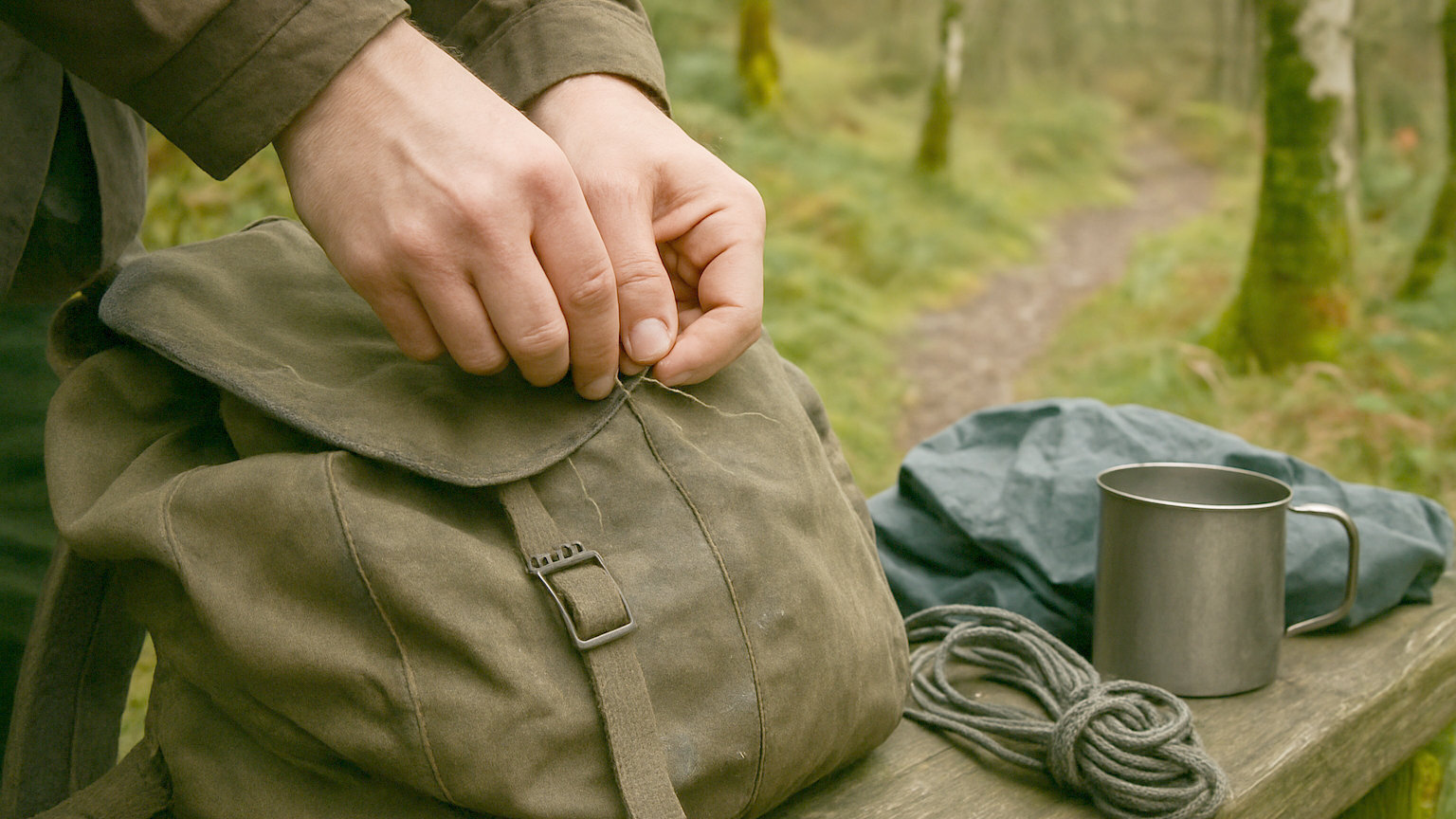
Empty it fully, brush out the debris, sponge off mud and hang it to dry. Avoid machine washing, which can damage the coating and the frame. Check the buckles, straps and stitching periodically, and repair fraying webbing before it fails. Store it somewhere dry and uncompressed, with the pockets open so any residual moisture escapes.
What about repairs?
Do them early. A small tear in a tarp, a loose stitch on a strap or a pinhole in a mat all grow rapidly under load, and all are trivial to fix at the small stage. Keep a repair kit with tape, a needle and strong thread, adhesive patches and spare buckles. Field repairs made properly frequently outlast the original.
What should you check before each season?
Everything with a date, a battery or a moving part. Torch batteries and spares. First aid consumables. Filter flow rate. Stove operation and fuel. Zips, buckles and seams. Waterproofing. An hour once or twice a year catches the failures that would otherwise be discovered on a hillside.
What should a repair kit contain?
Very little, chosen for the failures that actually happen. Strong tape, a needle and heavy thread, adhesive fabric patches, a couple of cable ties, spare buckles matching your pack, and a short length of cord. That covers a torn tarp, a failed strap, a punctured mat and a broken buckle, which between them account for most field failures. It weighs under a hundred grams and has saved a great many trips.
Dry everything before storage, keep sleeping bags uncompressed, reproof when water stops beading, dry boots slowly, and repair small damage immediately.