Personal alarms are unglamorous, cheap and among the few personal safety products that are both legal and genuinely useful. They are also frequently bought and then left in a drawer.
What do they do?
Two things. They produce a very loud noise that attracts attention from anyone nearby, and they interrupt whatever is happening, which frequently causes an assailant to leave. Attention is the thing most offenders least want, and an unexpected piercing noise is an effective and immediate way of creating it.
How loud should one be?
Around a hundred and forty decibels is typical for a good one, which is genuinely painful at close range and audible over a considerable distance. Anything much below about a hundred and twenty is not worth carrying. Test it once when you buy it, outdoors, so you know what it sounds like and that it works.
- Look for around a hundred and forty decibels
- Choose one that keeps sounding once activated
- Carry it where you can reach it without looking
- Test it when you buy it and check it periodically
- Drop it or throw it rather than holding it
- Entirely legal to carry and to use
What type should you choose?
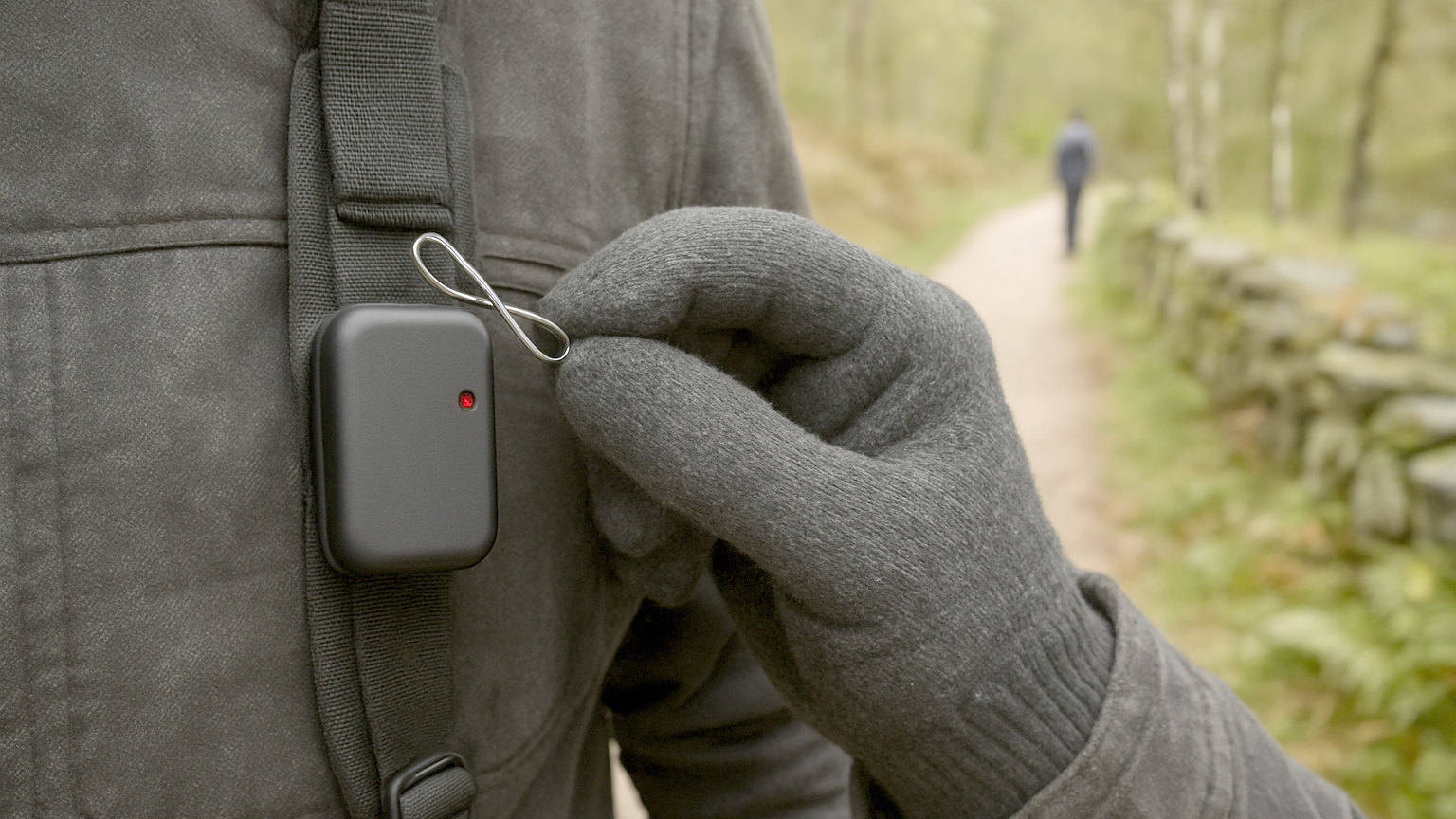
One that continues sounding once triggered rather than requiring you to hold a button, since you may not be able to. Pin activated models pull apart and keep sounding until reassembled, which is the standard design and works well. Avoid anything that needs a fiddly sequence, and avoid very small ones that are hard to grip.
Where should you carry it?
Somewhere you can reach in a second without looking, which means a coat pocket, a wrist strap or clipped to a bag strap rather than at the bottom of a bag. An alarm you would have to search for is an alarm you will not use. Many people attach one to a set of keys, which they are already holding when approaching a door.
How should you use it?
Trigger it and then get rid of it. Throw it or drop it away from you and move in the other direction, so that anyone wanting to silence it goes toward the noise rather than toward you. Holding a screaming alarm keeps you at the centre of the attention you have just created, which is the opposite of what you want.
Do they actually work?
They are recommended by police forces and personal safety organisations, and they are frequently distributed free by local policing teams and universities. The mechanism is straightforward: offences of this kind depend on privacy, and removing that makes them considerably less likely to continue. Nobody claims they are a guarantee.
What about phone apps?
Useful as a supplement rather than a replacement. Personal safety apps that share your location with contacts, alert them if you do not check in, or summon help are genuinely valuable, and they depend on a phone with battery and signal that you can reach and unlock. A physical alarm works with cold hands, no signal and no battery in the phone.
Who should carry one?
Anyone who wants one, and particularly people walking alone at night, working late, running or cycling alone, or visiting unfamiliar places. They are also worth giving to older relatives, to teenagers and to anyone who has expressed anxiety about being out alone, since they cost very little and provide real reassurance.
What about the battery?
Check it, since an alarm carried for two years and never tested may do nothing. Most use a small replaceable cell and some are rechargeable. Test it a couple of times a year, briefly and outdoors, and replace the battery on a schedule rather than waiting for it to fail. It is the one maintenance task involved.
Are they worth giving to someone else?
Frequently, and they are a genuinely useful and unremarkable gift. They cost little, they carry no legal risk, and they provide real reassurance to someone who has been feeling anxious about being out. Local policing teams and community safety partnerships sometimes distribute them free, which is worth asking about.
Buy one around a hundred and forty decibels, carry it where you can reach it instantly, test it occasionally, and throw it rather than hold it.