Shelf life varies enormously across a cupboard, and the pattern behind it is straightforward once you know what to look for. Fat content and moisture content between them explain most of it.
What lasts effectively forever?
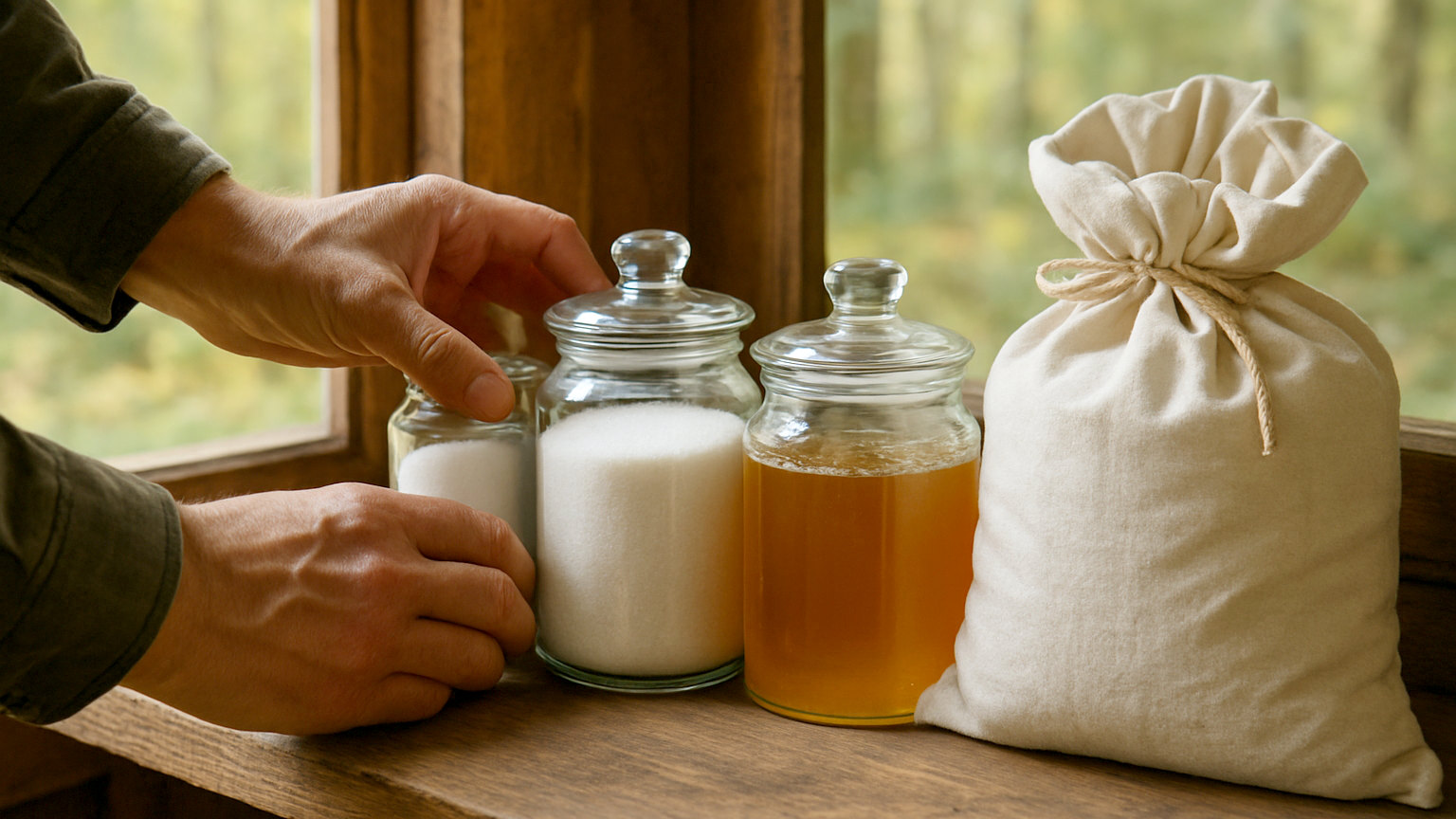
Salt, sugar, honey and white vinegar, none of which support microbial growth. Salt and sugar are hygroscopic and simply need keeping dry. Honey has been found still edible after thousands of years and crystallises rather than spoiling, which is reversed by gentle warming. Stored dry and sealed, these items outlast the packaging they came in.
Which staples last for years?
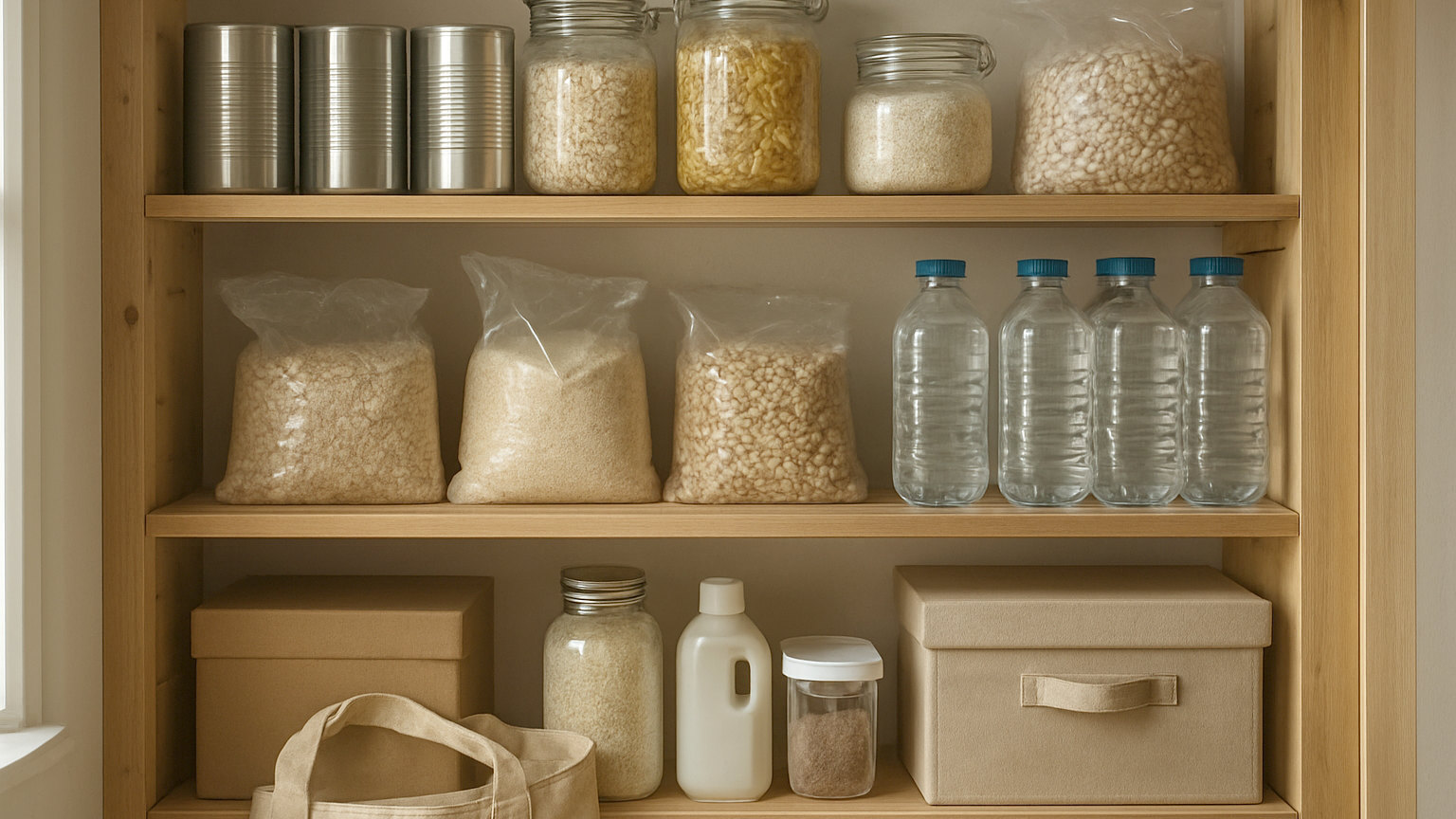
White rice, dried pasta, dried beans and lentils, rolled oats and plain flour. Stored cool, dry and airtight, white rice keeps for many years and dried pulses for a decade or more, though older beans take longer to cook and never soften fully. Dried pasta keeps for years. These are the backbone of any long term store because they are cheap, dense in calories and genuinely stable.
- Indefinite: salt, sugar, honey, white vinegar
- Many years: white rice, dried pasta, dried pulses, oats
- Two to five years: most tinned goods, particularly low acid
- Twelve months or less: flour, nuts, brown rice, cooking oil
- Short: anything with a use by date
Why does fat shorten shelf life?
Because fats oxidise and turn rancid, producing an unpleasant smell and taste and degrading nutritional value. Anything containing oil therefore has a clock on it regardless of how dry it is. This is why brown rice keeps only around six months while white rice keeps for years: the bran layer contains oils that the milling process removes. The same applies to wholemeal flour, nuts, seeds and oats to a lesser degree.
How long do tins last?
Longer than the date suggests, with a distinction by acidity. Low acid contents such as vegetables, meat, fish and beans commonly remain good for several years past the best before date. High acid contents such as tomatoes, fruit and anything in vinegar deteriorate sooner, typically within a year or two, as the acid slowly reacts with the tin lining and softens the contents. Neither is a safety matter provided the tin is intact.
What about frozen food?
Safe indefinitely at minus eighteen degrees, with quality declining over time. Meat and fish suffer freezer burn and texture loss after several months, while vegetables and bread hold quality longer. The limitation is that a freezer depends entirely on electricity, which makes it a poor foundation for an emergency store even though it is excellent for everyday food management.
Which foods are worth avoiding in a store?
Anything oily, anything requiring refrigeration and anything nobody will eat. Nuts and seeds are nutritionally excellent and go rancid within months, so buy them in small quantities and rotate. Cooking oil should be kept in modest amounts and replaced regularly. Fresh and chilled foods have no place in a long term store, however useful they are day to day.
Does storage condition change these figures?
Enormously, and it is the main variable. All of these estimates assume cool, dark, dry conditions. The same items in a loft reaching thirty five degrees in summer will deteriorate several times faster, and in a damp garage they will attract mould and pests. Good storage conditions are worth more than careful selection of items.
What is the practical selection?
Build around white rice, dried pasta, pulses, tinned protein, tinned vegetables, long life milk and oats, add salt, sugar and honey as effectively permanent items, and keep oily items such as nuts and oil in smaller rotating quantities. That combination gives real depth without significant waste.
What about long life milk and drinks?
Ultra heat treated milk keeps unopened for six to nine months at room temperature and is one of the more useful items in a store, since fresh milk is among the first things a household misses. Once opened it must be refrigerated and used within a few days like any other milk. Powdered milk keeps considerably longer, around a year or more, and is a sensible backstop although few people prefer it.
Favour dry, low fat and low acid items for depth, keep the oily things in small rotating quantities, and store everything cool and dark.