Preparedness advice tends to treat food as fuel, counted in calories and grams of protein. In practice the psychological effect of what people eat during a disruption is substantial, and planning for it is a practical measure rather than an indulgence.
Why does it matter?
Because morale determines how well people cope, and coping determines the decisions they make. A household that is cold, bored, anxious and eating unfamiliar food deteriorates faster than one that has had a hot drink and something they like. Emergency services and welfare organisations understand this well, which is why tea and biscuits appear at every rest centre in the country.
What has the biggest effect?
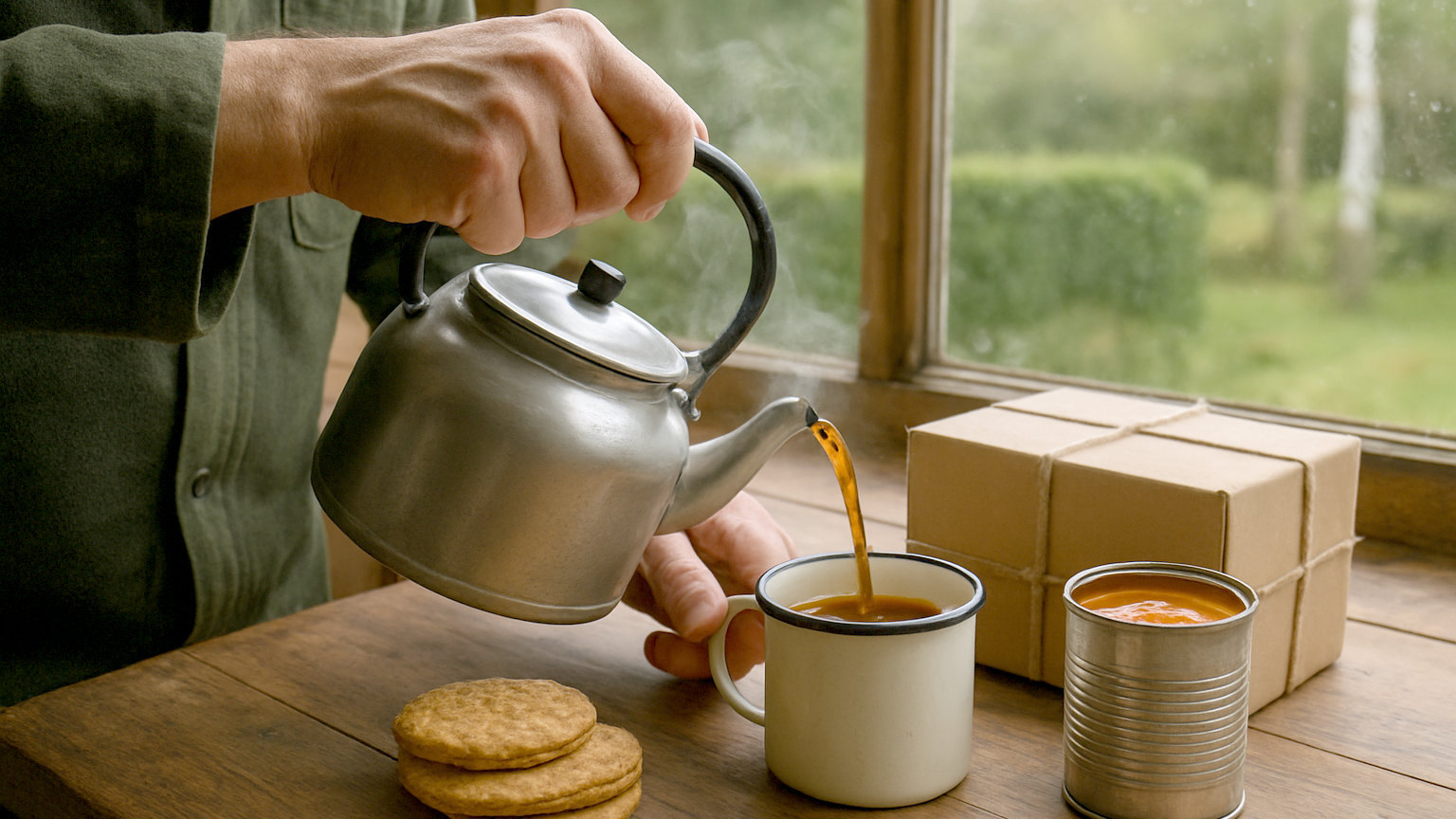
Hot drinks, by a wide margin. Tea, coffee, hot chocolate and soup deliver warmth, familiarity and a sense of normality out of proportion to their nutritional content. Being able to make one is a strong argument for a safe means of boiling water, and the ingredients weigh almost nothing and keep for a long time.
- Tea, coffee, hot chocolate and stock cubes for soup
- Chocolate, biscuits and sweets, kept in reserve
- Familiar meals people actually like
- Something specific for each child
- Small treats saved for later in a long disruption
- Seasonings that make basic food taste better
How does it affect children?
More than adults, and more than most people expect. Children under stress frequently refuse unfamiliar food outright, which is not fussiness and cannot be argued out of them. A child who eats and drinks copes considerably better than one who does not, so stocking food they already like matters more than stocking food that is nutritionally optimal. Include a few things they regard as treats.
Should you ration the treats?
Yes, deliberately, which is different from rationing calories. Keep something appealing for the middle of a long disruption, when the initial novelty has worn off, people are tired and the situation feels indefinite. A chocolate bar produced on day four is worth several produced on day one. This is a genuine technique used in expedition planning and it works in a cold house too.
What about routine?
It carries much of the same benefit. Eating meals at roughly the normal times, sitting down together, and keeping something recognisable about the day all help, particularly for children. A disruption where everyone grazes on crisps in separate rooms feels considerably worse than one with three proper meals, even if the food is identical.
What is the cost of ignoring this?
Worse decisions. People who are miserable, hungry for something familiar and running low on patience make poorer judgements about when to leave, whether to use a stove indoors, and whether to drive through water. Morale is not separate from safety, it feeds directly into it, which is the practical case for keeping biscuits in the store.
What weighs almost nothing?
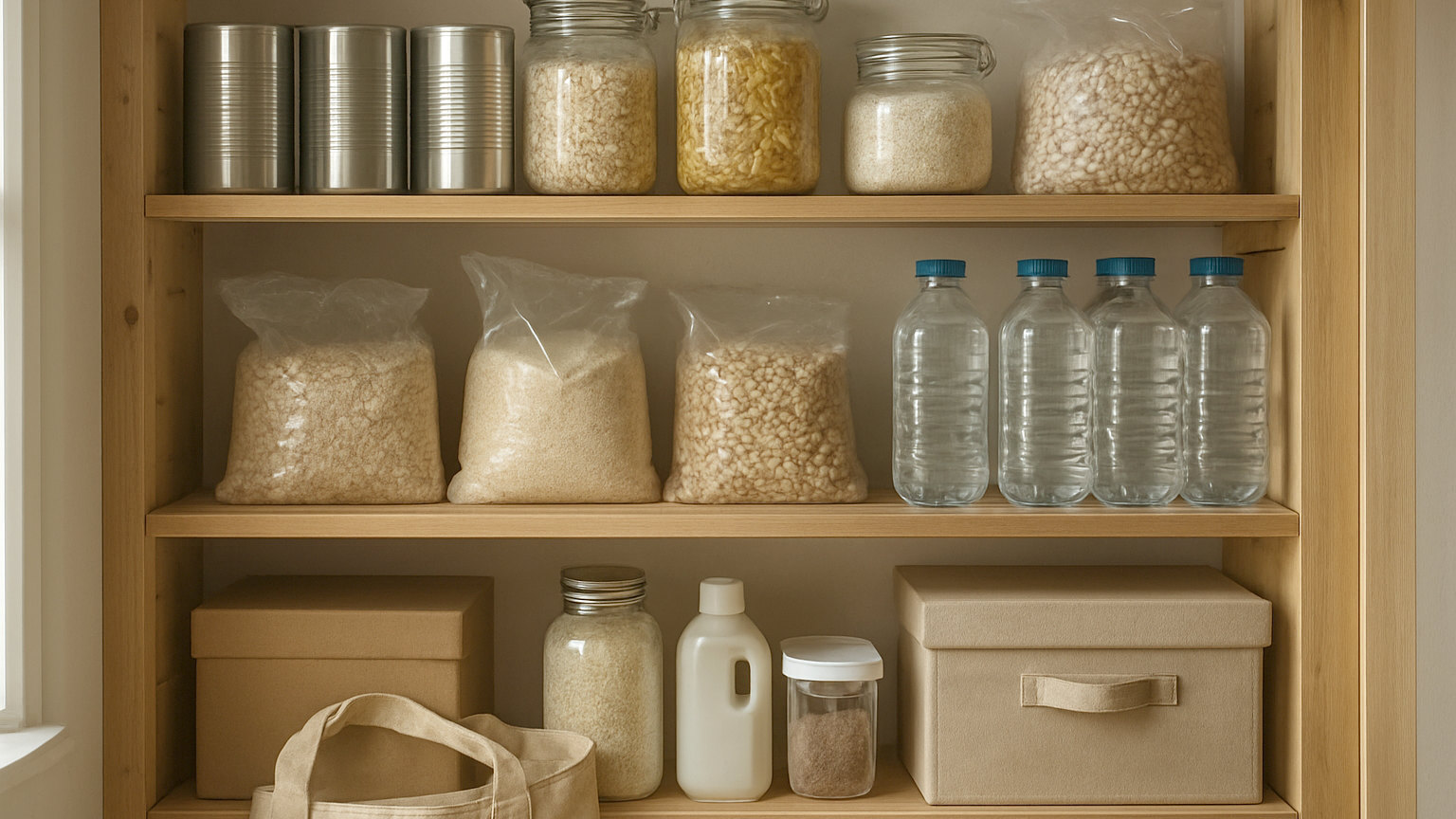
The things with the highest ratio of benefit to bulk: tea bags, instant coffee, stock cubes, drinking chocolate, sugar, salt, pepper and a small selection of dried herbs and spices. Together they occupy very little space, keep for a long time, and transform both the food and the atmosphere.
How much should you allow?
Enough that it does not run out on day two. A week of hot drinks for a household is a modest quantity, and a handful of treats per person for the week is not much. Include it in the store deliberately rather than assuming there will be some in the cupboard, which is how households discover they have run out of tea on the second evening.
Does this apply to adults too?
Entirely, though adults are less willing to admit it. People who have been through prolonged outages and evacuations consistently mention tea, coffee and familiar meals rather than nutrition when describing what helped. A hot drink marks the passage of the day, provides a reason to gather, and signals that things are under control. Treating that as sentimentality rather than a planning consideration is a mistake.
Stock tea, coffee, chocolate and things people actually like, hold some back for later in the week, and keep meals at normal times.