
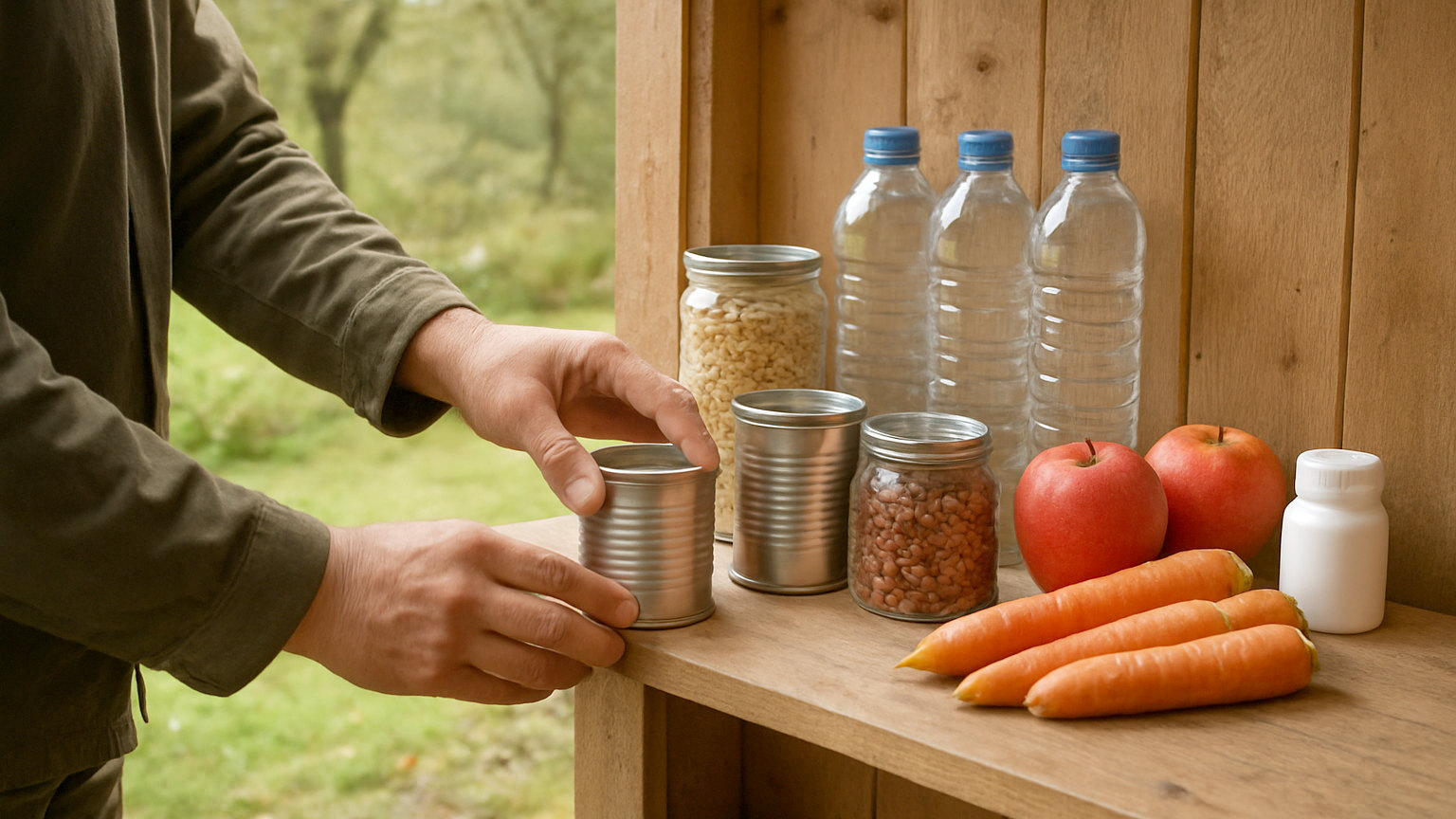
A store of tins, rice and pasta is nutritionally adequate for far longer than people fear, and it does have gaps that become relevant if a disruption extends. Knowing which ones is worth a few pounds of preparation.
Does a week matter nutritionally?
Almost not at all. A healthy adult carries reserves of most vitamins measured in weeks to months, and a week of tinned and dried food will not produce any deficiency. The classic deficiency diseases take months to develop. For the disruption most British households will experience, calories and fluid matter and micronutrients do not.
What is missing over longer periods?
Vitamin C first, since it is water soluble, not stored in quantity and degrades during processing and storage. Then folate, also water soluble and concentrated in fresh green vegetables. Fibre, which affects comfort more than health in the short term. And variety generally, since a narrow diet accumulates small gaps across many nutrients.
- Vitamin C, the first to become relevant over weeks
- Folate, from fresh greens and fortified products
- Fibre, which affects comfort quickly
- Variety, which covers gaps you have not anticipated
- A basic multivitamin as cheap insurance
- Tinned and frozen vegetables, which retain more than expected
Do tinned vegetables retain nutrition?
More than their reputation suggests. Canning destroys some vitamin C and B vitamins through heat, and retains minerals, fibre and fat soluble vitamins well. Some nutrients are actually more available after cooking, such as lycopene in tomatoes. Tinned tomatoes, beans, sweetcorn and pulses are nutritionally respectable and should not be dismissed as empty calories.
What about frozen?
Frequently better than fresh. Vegetables frozen soon after harvest retain vitamins that decline over days of transport and storage, so frozen peas and spinach can exceed fresh equivalents that have sat in a shop. The limitation is that a freezer depends on electricity, which makes it excellent for everyday resilience and unreliable during a power cut.
Is a multivitamin worth keeping?
As inexpensive insurance, yes. A basic multivitamin costs very little, keeps for a couple of years, takes no space and covers the gaps in a monotonous diet. It is not a substitute for food and it removes a category of worry for a store built largely on tins and grains. Rotate it with everything else, since potency declines.
What about fibre?
It becomes noticeable quickly, in comfort terms. A diet of white rice, white pasta and biscuits with little fruit or vegetable leaves people constipated within days, which is unpleasant when facilities may already be limited. Tinned pulses, wholegrain options, dried fruit and tinned vegetables all address it, and dried prunes and apricots are compact and effective.
What sources of vitamin C store well?
Long life fruit juice, which is usually fortified. Tinned tomatoes and tinned fruit. Dried fruit to a lesser extent. Fortified breakfast cereals. Potatoes, which keep for weeks and contain a useful amount. Between them, a store need not be short of vitamin C even over an extended period.
What matters more than any of this?
Calories and fluid. A person short of energy and water deteriorates within days, while a person short of folate does not notice for weeks. Build the store around energy, protein and water first, add variety and a multivitamin as refinements, and do not let nutritional optimisation distract from having enough of the basics.
What about specific groups?
Some people have less margin and warrant more thought. Pregnant women need folate and iron and should keep taking any prescribed supplement through a disruption. Young children have smaller reserves and higher requirements relative to size. Older people and anyone with a chronic condition may already be marginal on several nutrients. In each case, continuity of any existing supplement matters more than optimising the store.
Does cooking method affect it?
Modestly, and it is worth knowing when water is short. Boiling vegetables leaches water soluble vitamins into the cooking water, so using that liquid in a soup or a sauce rather than pouring it away recovers most of what would be lost. Steaming and using the liquid from tins achieve the same thing. It is a small refinement that costs nothing and happens to align with saving water.
Do not worry about a week, add tinned and frozen vegetables and dried fruit for longer, and keep a cheap multivitamin as insurance.


