Ration packs occupy a specific and fairly narrow niche. They solve a real problem, they cost a great deal per calorie, and they are frequently bought for situations where ordinary food would serve better.
What is in one?
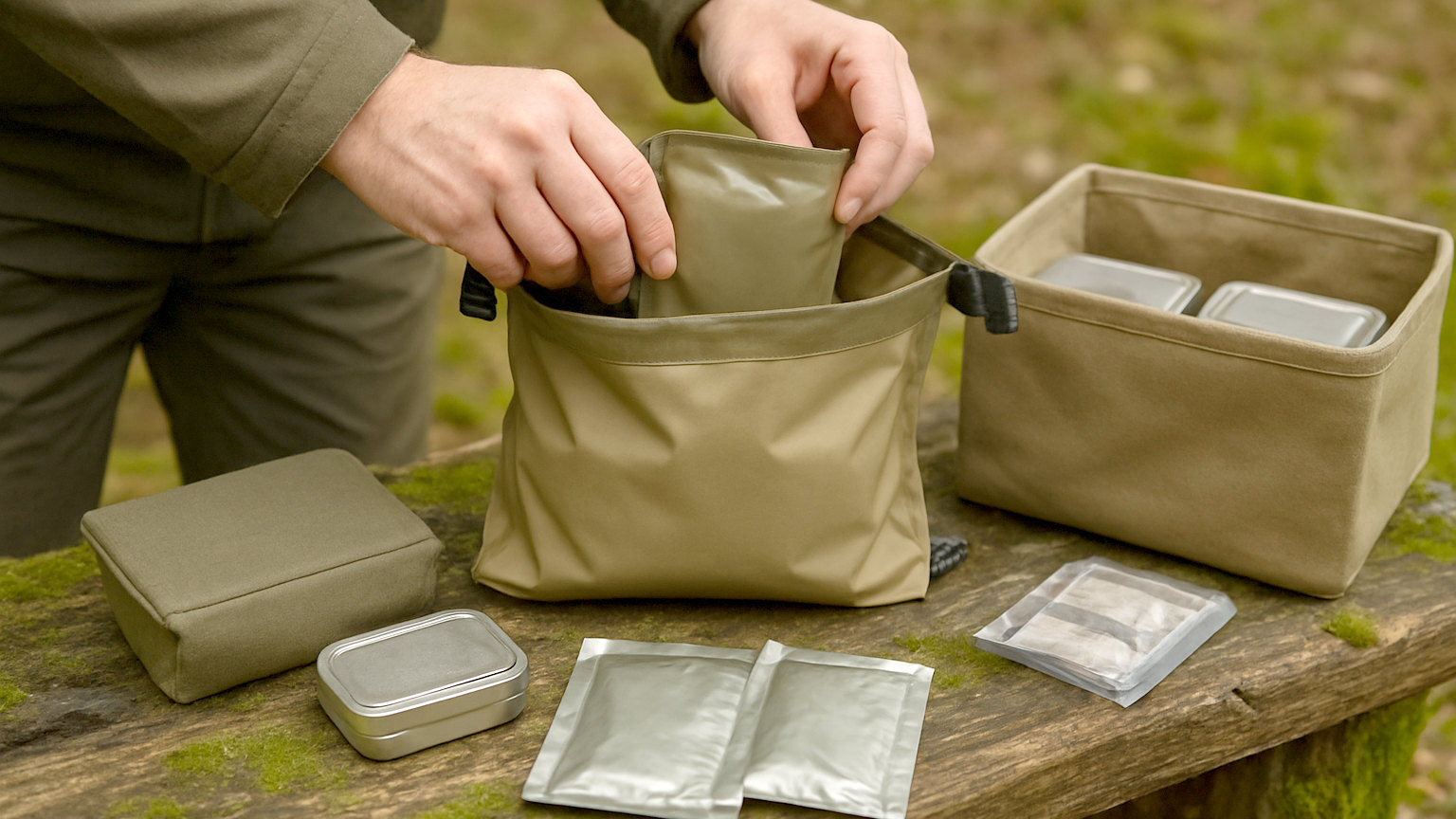
A complete day or single meal of food designed to be eaten with minimal preparation and to survive years of rough storage. Typically a main meal in a retort pouch, biscuits, a spread, a snack bar, a drink powder, sometimes a dessert, and accessories such as a spoon, matches and sachets of salt and sugar. Some include a flameless heater that warms the pouch chemically with a small amount of water.
What are the advantages?
Shelf life, robustness and completeness. They keep for years without attention, tolerate being carried and dropped, need no refrigeration, and require little or no cooking. Everything needed for a meal is in one package, which removes planning entirely. For a grab bag, a vehicle or a remote trip, those qualities are genuinely valuable.
- Long shelf life, typically several years unopened
- Complete meals needing little or no preparation
- Robust packaging that survives being carried
- Expensive per calorie compared with ordinary food
- High in salt and often bland or unfamiliar
- Best suited to grab bags rather than home stores
What are the drawbacks?
Cost, salt and palatability. Per calorie they cost several times what tinned and dried food does, which makes them an expensive way to build depth. Salt content is generally high, since they are designed for people working hard in the field, which matters for anyone watching blood pressure. And they are food most people will not choose to eat, which means they never rotate and are still sitting there at expiry.
Where do they genuinely fit?
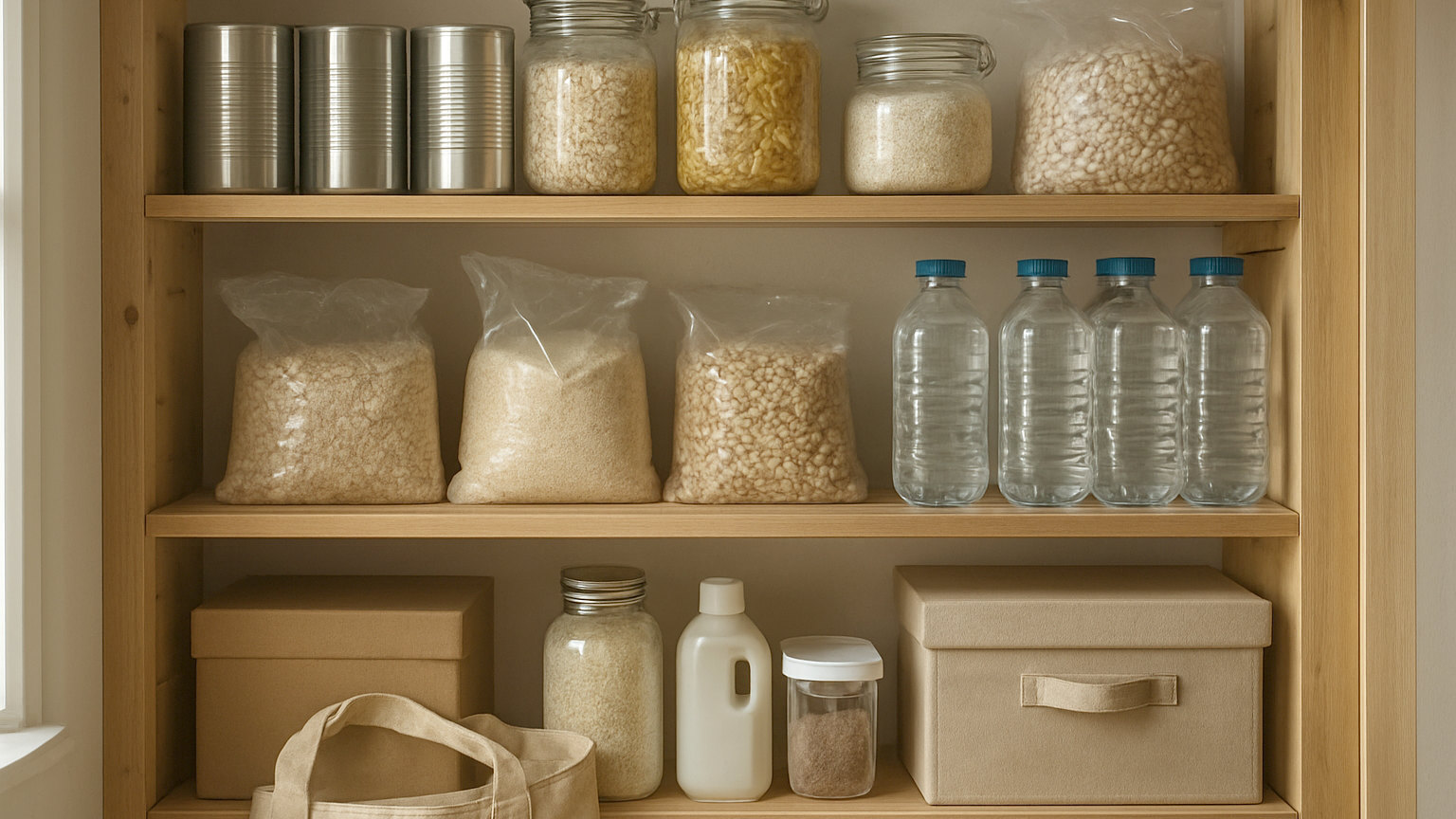
In a grab bag, in a vehicle, and for anyone whose realistic scenario involves being away from a kitchen. A day of food that needs no preparation, survives a year in a car boot and weighs little is exactly the right answer for those situations. As the foundation of a home store, ordinary tins and dried goods are cheaper, better and rotate naturally.
Are the self heating ones useful?
Yes, and with care. A flameless ration heater uses a chemical reaction to warm a pouch, requires only a small amount of water and no flame, and produces hot food where nothing else could. They generate hydrogen and should be used in ventilated conditions and not in a sealed vehicle or tent. For a hot meal in a car or a rest centre, they are a genuine advantage.
What about surplus military packs?
Buyer beware. Genuine surplus is frequently near or past its date, may have been stored badly, and the packaging date codes can be difficult to interpret. Civilian equivalents from reputable suppliers are more expensive and come with clear dates and provenance. If buying surplus, check the date carefully and inspect the pouches for damage or swelling.
How many should you keep?
Enough for the specific purpose rather than as a general store. Two or three days worth in a grab bag per person, and perhaps a couple in each vehicle. Beyond that the money is better spent on ordinary food, which delivers far more calories per pound and gets eaten rather than discarded.
How should you store them?
Cool, dry and out of sunlight, like anything else. Retort pouches are vulnerable to punctures and abrasion, so avoid stacking heavy items on them and check periodically for pinholes or swelling. A swollen pouch should be discarded unopened, for the same reason as a bulging tin.
What about vegetarian and dietary versions?
Widely available and worth choosing deliberately. Most reputable manufacturers offer vegetarian, vegan and halal options, and some produce gluten free ranges, though availability and variety are narrower than for standard packs. Check the ingredients rather than the label alone if an allergy is involved, since manufacturing lines and sachet contents vary. Buying a single pack and trying it before committing to several is sensible for anyone with restrictions.
Buy a few for grab bags and vehicles, avoid building a home store from them, and check the dates carefully on anything surplus.